
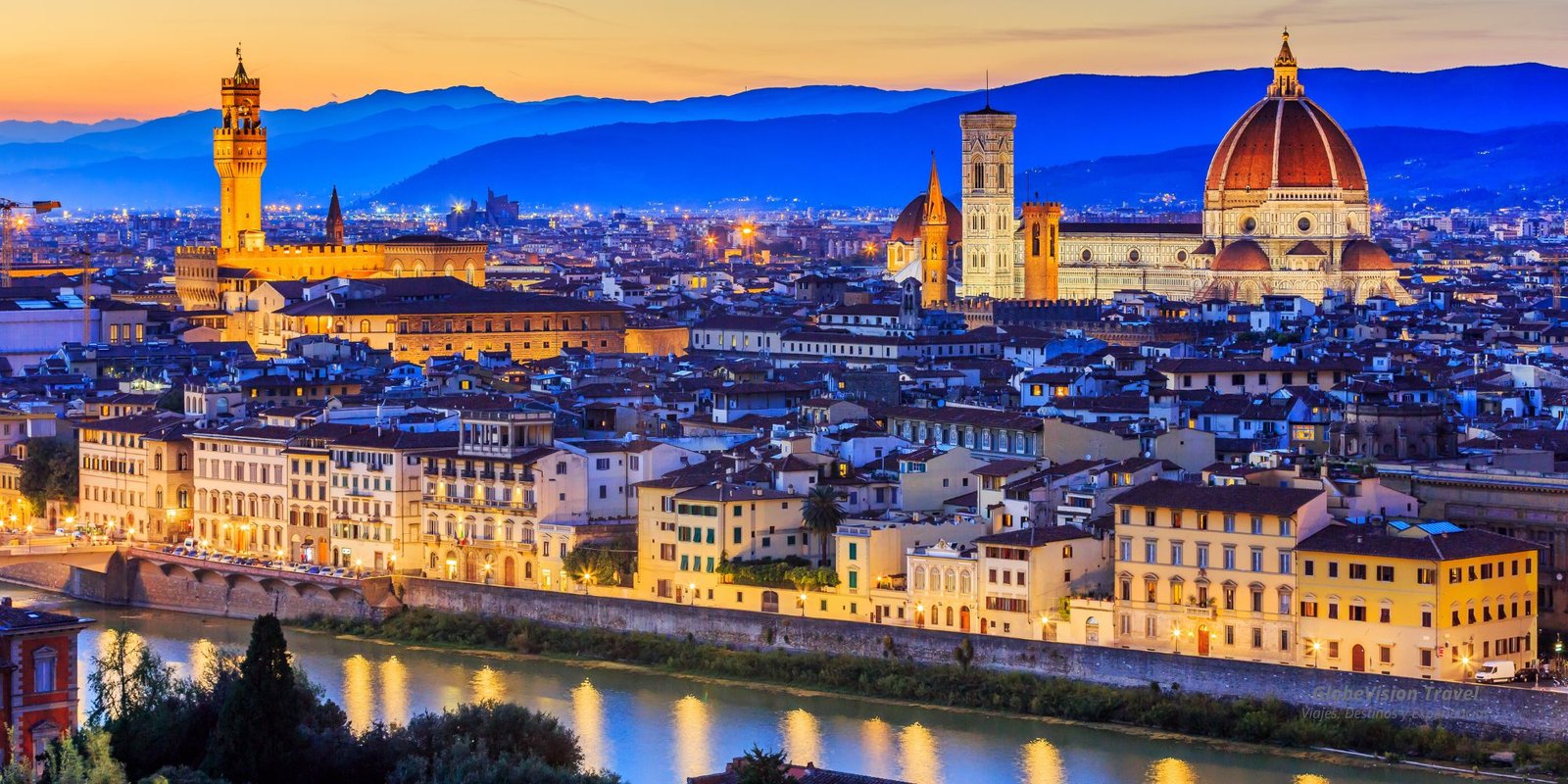
Florence looks compact and manageable on the map, but its cultural density and tourist pressure can easily disrupt a poorly planned day. Discover how to organize your trip with strategic judgment: smart decisions, warnings based on real experience, and practical solutions to avoid the most common logistical mistakes. This guide does not just tell you what to see, but how to structure each day so you can make the most of your time without unnecessary wear and tear.
If you are designing a broader route through Italy and not just an urban getaway, it is worth starting with a wider territorial perspective. You can rely on our strategic guide to traveling through Italy without mistakes , where we explain how to distribute cities, calculate real transfer times, and avoid decisions that later affect the entire itinerary.
Beyond Florence and Rome, another key territorial axis when planning a route through Italy is Central Italy. This region acts as a logistical bridge between the major cities of the north and south, and understanding its connectivity, real distances, and key hubs such as Perugia, Siena, and Arezzo helps you distribute your days with fewer backtracks and more predictable transfer times.
If your route includes inland Tuscany, Siena works as a strategic intermediate piece between Florence and Rome. Before defining transfers and timing, it is worth reviewing the complete logistical analysis of Siena , where we detail its ZTL, real travel times from the station, and how to organize your visit without operational friction.

Introduction
The first time you walk through the streets of Florence, the bustle of Piazza del Duomo and the smell of freshly brewed coffee mix with the feeling of being surrounded by history on every corner. After several visits to the city, I learned that the real difference lies in how you organize your routes, choose the right times, and anticipate the inevitable tourist bottlenecks.
- How to plan realistic routes according to the city’s rhythm and avoid unnecessary lines.
- Which areas to choose for accommodation depending on your priorities for rest, transport, and access to the main attractions.
- Practical tips for eating well without falling into tourist traps or wasting time looking for a table.
- Common logistical mistakes that can cost you hours or even ruin a key visit.
- Clear answers to frequent questions about safety, transport, schedules, and daily planning.
Best places to visit
Florence requires a strategic selection of places: the density of attractions in its historic center can be overwhelming, and if you do not prioritize, you will end up exhausted before the afternoon. The Duomo and its dome dominate the city, but the real challenge is deciding when and how to visit it. Lines to climb it can exceed an hour in high season; the difference lies in timing: arriving before 8:30 or booking the first slot sets the rhythm for the rest of the day.
The Uffizi Gallery is another critical point. This is where many travelers lose time: entering without a reservation often means waiting more than 90 minutes. In low season it may be possible to improvise, but from April to October booking in advance is essential if you do not want to mortgage your day. Ponte Vecchio, although always crowded, is better enjoyed at sunset, when the light softens the atmosphere and most tour groups have left. Walking through the Oltrarno, the south bank of the Arno, offers a less saturated perspective and relief from the crowds, especially around Piazza Santo Spirito.
🎟️ Secure Florence’s key entries before queues break the day
TicketsIn Florence, places like the Uffizi, the Accademia, and the Duomo area work much better when access is planned in advance. A reserved slot protects the structure of the day and helps you avoid losing a full morning in line.
Check tickets and timed-entry optionsDo not underestimate the climb to Piazzale Michelangelo: the map makes it look short, but the effort is not, especially in direct sun or after a demanding day. The view is worth it, but calculate the physical effort properly and bring water. Santa Croce and its surroundings offer a quieter experience if you choose the morning or the end of the day. The difference between a memorable visit and an exhausting route lies in the sequence: alternating open spaces with interiors and avoiding peak hours.
Realistic 3-day itinerary
- Day 1: Duomo early in the morning (climb the dome with reservation), Baptistery, walk along Via dei Calzaiuoli, Piazza della Signoria, and Uffizi Gallery (booked slot around midday). Afternoon at Ponte Vecchio and Oltrarno. Dinner in Santo Spirito.
- Day 2: Santa Croce at opening time, breakfast at Sant’Ambrogio Market, visit Santa Maria Novella and its museum, break in the Boboli Gardens (book for the afternoon). Climb to Piazzale Michelangelo at sunset.
- Day 3: Galleria dell’Accademia (first slot), visit San Lorenzo, shopping or a walk through Mercato Centrale. Free time to get lost in smaller streets or visit less crowded museums such as the Bargello or Palazzo Pitti, depending on your energy.

How to get there
Getting to Florence looks simple on the map, but the reality depends greatly on your point of origin and how much time you want to spend on the transfer. Amerigo Vespucci Airport is only 6 km from the center, but rush-hour traffic can double the travel time, making the trip take 20 to 40 minutes by taxi or bus. Santa Maria Novella train station, by contrast, has a privileged location: in less than 10 minutes on foot you are already in the heart of the historic center. If you arrive by car, prepare for the ZTL, the limited traffic zone. Not only is parking expensive, but entering without permission can trigger automatic fines, even if you simply take the wrong street.
🚐 Simplify arrival into Florence when timing and luggage matter
TransfersFlorence is compact once you are inside it, but arrival friction can still damage the first block of the day. If you land with luggage, arrive late, or want a cleaner entry into the city, checking a pre-booked transfer can reduce stress and save energy.
Check airport and city transfer optionsFrom other Italian cities, high-speed rail such as Frecciarossa or Italo is the most efficient and least stressful option: Rome to Florence takes about 1h30, and Milan to Florence about 1h40. Long-distance buses may be cheaper, but the journey is considerably longer and their stations are often farther from the city center.
One not-so-obvious warning: if you are traveling with bulky luggage, avoid arriving by train during rush hours, especially from 7:30 to 9:00 and from 16:30 to 18:30. Platforms and corridors become congested, and dragging large suitcases turns into an obstacle course. The difference between a calm arrival and a chaotic start often comes down to the timing and the transport choice.
Where to stay
Florence offers accommodation options for every travel style, but choosing the right area is essential if you want to optimize time and rest. Staying in the historic center, around the Duomo or Piazza della Signoria, lets you walk to almost every main attraction, but the noise and tourist density can affect your sleep, especially in high season. After several stays, I found that side streets near Santa Croce or Piazza San Marco offer a better balance between proximity and quiet.
The Santa Maria Novella area is practical for travelers arriving or leaving by train, but it can feel less picturesque and somewhat busier because of railway activity. Oltrarno is ideal if you want a more local atmosphere, less saturation, and easy access to authentic restaurants and bars, although it means crossing the river daily if you want to visit the city’s main monuments.
One contextual warning that many travelers overlook: many tourist apartments are located in old buildings without elevators. If you carry heavy luggage or have reduced mobility, always confirm the presence of a lift before booking. It is not about seeing more, but about organizing better. Choosing the right accommodation area can save you more than an hour per day in transfers and greatly reduce accumulated fatigue.

Where to eat
Food is one of Florence’s great strengths, but it is also full of traps for uninformed travelers. Eating well without overpaying means moving away from the main tourist arteries and avoiding menus designed for passersby standing right next to the monuments. Authentic trattorias are often found just a few streets away from the Duomo or in Oltrarno, but many travelers lose time looking for a table exactly at peak hours, especially between 13:00 and 14:30 and again between 20:00 and 21:30.
The real difference lies in anticipation. Booking dinner in advance is almost essential in high season and on weekends. Places like Mercato Centrale or Sant’Ambrogio offer quick and quality options, perfect if you want to optimize time while still trying local dishes without long waits. A common mistake is focusing only on pizza or pasta; Tuscan cuisine stands out for meats, cured products, and hearty dishes that vary with the season.
One subtle warning: many places add a coperto, a cover charge, and service is not always included. Ask in advance if you want to avoid surprises on the bill. Eating well in Florence is not about spending more, but about choosing carefully and adjusting your timing.
Practical travel tips
- Book tickets in advance for key museums and monuments. This helps you avoid lines of more than an hour and ensures access at the time you want, especially for the Uffizi and the Duomo dome.
- Plan short walking routes and alternate indoor and outdoor spaces. This reduces physical fatigue and helps you use your energy better throughout the day.
- Wear comfortable and durable shoes. Uneven pavement and long walking distances can wear you down; bad footwear can ruin entire days.
- Avoid carrying bulky luggage during rush hours. Corridors and narrow streets become congested, which can cost you both time and patience when arriving or leaving the city.
- Do not underestimate the heat in summer or the cold in winter. The thermal sensation can be extreme, and climate regulation in many museums and accommodations is limited.
- Check museum and monument closing times. Many close one day per week or reduce hours outside high season; do not improvise your last visit of the day.
- Always have a dinner reservation in high season. Improvisation usually ends in long waits or mediocre menus near saturated tourist zones.
- Avoid restaurants with overly translated menus and staff pulling people in from the street. They are generally more expensive and weaker in quality.
- If you are traveling in a group, agree on clear meeting points. Squares and streets can feel maze-like, and it is easy to get separated in peak hours.
- Always ask about the coperto before sitting down. The charge can vary and significantly affect your final bill.
- Use local public transport apps if you need to move outside the center. Buses can save time on longer stretches toward less touristy areas.
- Control the pace and include regular breaks for coffee or gelato. It is part of local culture, but it also helps you recover energy and avoid burnout.
- Carry some cash for small shops and markets. Not every place accepts cards, especially street stalls or traditional cafés.
- Use the first hour of the day for the most crowded places. Tourist flow is much lighter and the experience feels more authentic.
- Avoid taking large backpacks into museums. In many cases you will need to leave them in storage, which means extra time and logistics.
📶 Keep maps, bookings, and route fixes working in real time
Mobile dataFlorence becomes easier when you can check maps, museum tickets, reservation times, and backup routes without interruption. Having data ready from the start helps reduce friction and prevents avoidable mistakes during intense days.
Check eSIM options for ItalyCommon mistakes and what NOT to do
- Trying to see too many museums in one day. The usual result is saturation and extreme fatigue, which reduces your ability to enjoy and remember what you have seen. Prioritize and distribute visits better.
- Not booking tickets and simply showing up. This often leads to waits of more than an hour or, in high season, not being able to enter at all.
- Choosing accommodation based only on price and ignoring location. Saving on the hotel can cost you time and money in daily transfers, while also adding accumulated fatigue.
- Arriving by car in the historic center without understanding the ZTL. Automatic fines are common and will arrive at your home weeks after the trip.
- Eating on terraces in main squares without checking prices and extra charges. You may end up paying double for lower quality and rushed service.
- Ignoring museum and monument closing times. Many travelers miss out by just a few minutes and lose the chance to visit key places.
- Not calculating real walking times. The map is misleading: distances look short, but the flow of people and narrow streets slow everything down, especially in high season.
- Leaving ticket shopping or souvenir purchases for the last day. This can mean long lines or not finding what you want, especially in markets and artisan shops.
- Not asking about the coperto or service charge before ordering. This often causes unpleasant surprises when the bill arrives and affects your budget.
- Trusting public fountains to refill water bottles without checking whether the water is drinkable. Some are not safe for consumption and can cause stomach discomfort.
Safety or recommendations
Florence is generally a safe city, but the concentration of tourists in the historic center attracts pickpockets, especially in crowded spots such as Piazza del Duomo or the surroundings of Ponte Vecchio. Always keep valuables in inner pockets or belt bags, avoid open backpacks, and keep your belongings in sight when sitting in busy cafés or terraces.
One less obvious warning: during the busiest hours, crossing major streets can feel confusing. Private vehicles and taxis tend to take any gap they can find, so always cross at marked crossings and stay attentive to traffic. At night, the main streets are safe, but peripheral or poorly lit areas, especially near the station, can feel less comfortable. If you return late, prioritize a taxi or walking back with company.
In high season, the heat can be intense and dehydration is a real risk, especially if you climb to Piazzale Michelangelo or spend several hours inside museums. Always carry water and protect yourself from the sun; heat exhaustion is more common than it seems and can ruin an entire day.
Frequently asked questions (FAQ)
- What is the best time of year to visit Florence?
Spring, especially April to June, and autumn, especially September and October, offer pleasant weather and fewer crowds than summer. In July and August, temperatures can exceed 35°C and the main attractions become saturated. Visiting in low season allows for calmer movement, although some museums and restaurants may have reduced hours. - Is it necessary to book tickets for every museum?
Not for all of them, but yes for the most in-demand ones such as the Uffizi, the Duomo dome, and the Galleria dell’Accademia. Failing to book can mean waiting more than an hour or even not getting in. For smaller or less famous museums, booking is optional, but checking expected demand is always wise. - Is Florence accessible for people with reduced mobility?
The center is pedestrian-friendly and relatively flat, but many streets have uneven stone surfaces and several historic buildings do not have elevators. If accessibility matters to you, always confirm with the accommodation and check whether the monuments offer ramps or adapted entrances. Plan short routes and frequent breaks to avoid physical exhaustion. - Where is the best area to stay if I want to move around on foot?
The most practical areas are the historic center, Santa Croce, and San Marco. Staying in Oltrarno is ideal for a more local atmosphere, but it means crossing the river daily. Avoid peripheral areas if you want to optimize time and minimize long transfers, especially on a short stay. - Can Florence be visited in just one day?
It is possible to see the main highlights in one day, but the experience will be superficial and rushed. To truly enjoy the museums, streets, and food scene, at least two or three days are ideal. Trying to compress everything into a few hours usually becomes stressful and leaves out important places. - What should I do if I lose my documents or they are stolen?
You should go to the nearest police station to report the loss or theft. Your country’s consulate can issue emergency documentation, but the process may take several hours. Carrying digital copies of your documents and emergency contacts makes the process much easier and reduces stress in case of an incident.
Conclusion
Traveling to Florence can be as enriching as it is demanding if it is not approached with judgment and planning. After walking its streets several times, I found that the real difference lies in anticipating tourist flows, choosing the right accommodation, and organizing each day with flexibility. The key is to prioritize quality over quantity: see less, but see it better, and alternate intense visits with genuine breaks.
Logistics, from arrival to the choice of times and routes, determine the success of the trip. The most common mistakes are not about getting lost, but about overloading the schedule or trusting improvisation too much. With this guide, the goal is for every traveler to keep control over their decisions, avoiding unpleasant surprises and gaining time and energy to actually enjoy the city.
Florence rewards the traveler who gets informed and organizes ahead. It is not about seeing everything, but about moving intelligently, anticipating difficulties, and choosing each step well. With these tips and warnings, you will have a clear advantage over the average traveler and be able to build an experience tailored to your own rhythm without falling into the usual mistakes.
🇮🇹 Keep refining your Italy route with a strategic approach
Travel with judgment, not improvisation
In the channel we share practical adjustments, real mistakes, optimized routes, and strategic decisions that make the difference between an improvised trip and a well-thought-out one. If this guide helped you, the channel is the next step.
Join the channel now