
GlobeVision™ — Strategic Venice guide to plan your visit by zones, control walking fatigue, use vaporetto routes with logic, avoid costly timing mistakes, and move through the lagoon city without losing time, money, or energy.
How should you organize a trip to Venice efficiently?
The most efficient way to visit Venice is to organize each day by zones: St. Mark’s early, Rialto and San Polo after peak crowd pressure, Dorsoduro in the afternoon, and Cannaregio or the lagoon islands only with clear vaporetto timing. Venice looks compact on the map, but bridges, crowds, water transport, and luggage logistics can turn short distances into exhausting transfers if you improvise.
Introduction
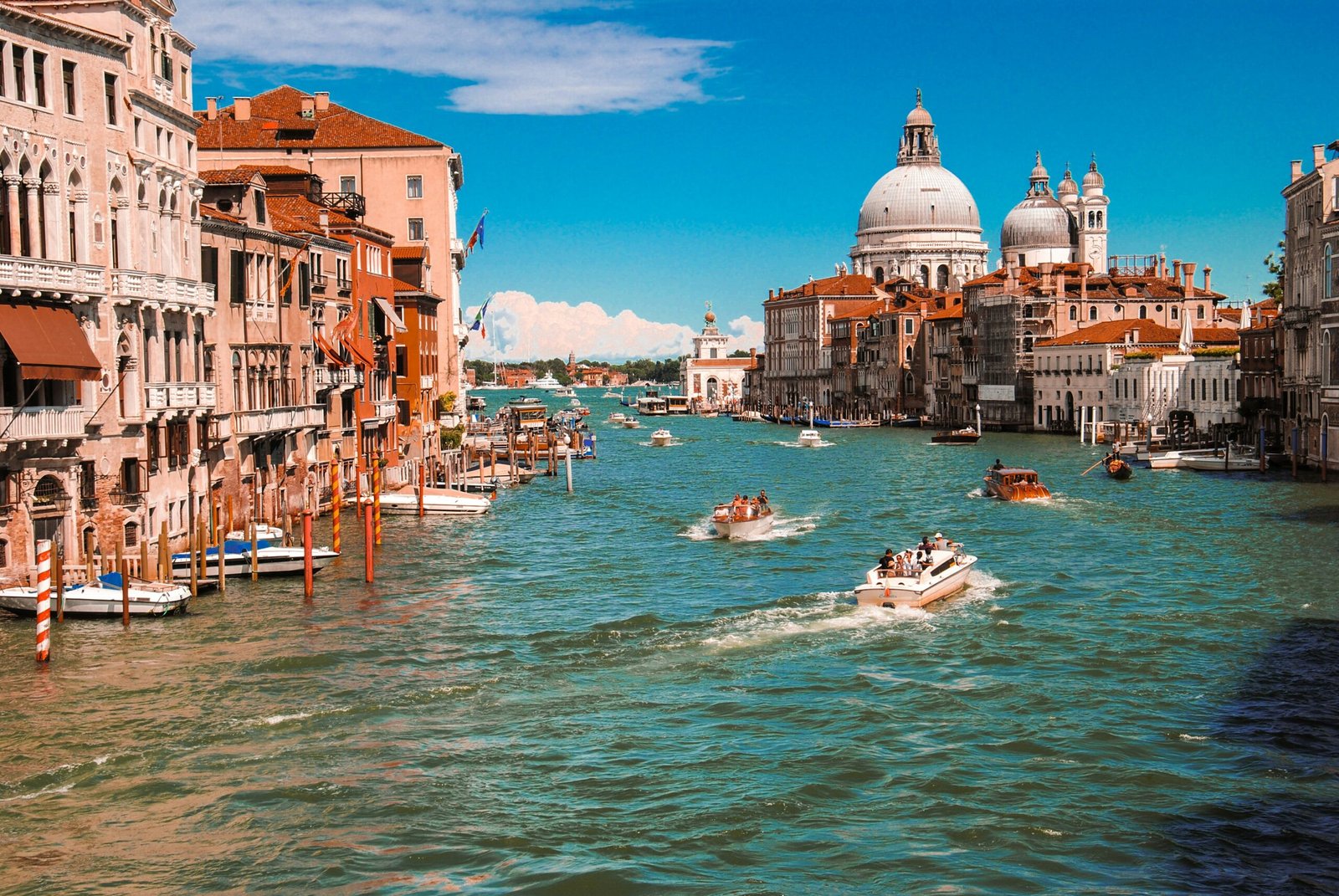
At first light in the morning, the damp lagoon glow reveals the narrowness of Venice’s alleyways and the echo of footsteps on cold stone slabs. Venice is not just one island: it is an archipelago of short but deceptive distances, where each bridge can mean twenty extra steps and crowds can turn a simple 800-meter transfer into 25 minutes of slow, tense progress. Heat builds up in summer, especially in the most tourist-heavy areas, while humidity and cold can slow down any movement in winter.
In high season, human density can become especially intense at key points such as Rialto or St. Mark’s before 11:00. A bad sequence can translate into 4–5 extra km of walking in a single day, adding up to thousands of unnecessary steps and a fatigue level that drastically reduces your ability to enjoy the city from mid-afternoon onward.
The vaporetto network looks simple, but waits and transfers can consume more than an hour if trips between islands or peripheral areas are not planned properly. Failing to anticipate these bottlenecks means missing optimal light windows for photos, spending €30–40 more on inefficient transport, or resigning yourself to long lines under the sun.
This same planning logic becomes even more important if Venice is only one stop inside a wider route through Northern Italy, where bad sequencing between cities quietly destroys time and energy.
This guide does not aim to describe Venice as a postcard. Its mission is to help you master its routes, adjust your timing, choose the right areas, and avoid the most expensive logistical mistakes. Here you will find how to design a logical route by territorial blocks, minimize backtracking, and manage tourist flows to optimize every minute and every euro spent.
Best places to visit
Structuring your visit to Venice by key zones is the difference between a fluid experience and a day full of frustration. Each territorial block responds to its own logic of route, density, and efficiency. Here is how to group and sequence them in order to minimize backtracking, avoid saturation, and reduce hidden costs.
| Venice zone | Best time | Main risk | Strategic decision |
|---|---|---|---|
| St. Mark’s area | Before 9:00 | Long lines and extreme crowding | Visit interiors first, then move outward |
| Rialto / San Polo | 13:00–15:00 | Bridge bottlenecks and slow walking | Use side streets and keep the route linear |
| Dorsoduro / Zattere | 15:00–18:00 | Losing the best light if visited too early | Use it as an afternoon recovery zone |
| Cannaregio | 18:00–20:00 | Unnecessary detours if poorly sequenced | Save it for dinner or a quieter evening block |
| Murano / Burano | Early morning | Vaporetto waits and late return stress | Leave early and avoid the last boat |
St. Mark’s area and surroundings
Start your route early, ideally before 9:00, around St. Mark’s Square, the Basilica, the Doge’s Palace, and the Campanile. This area concentrates a large share of daily tourist flow between 10:00 and 13:00, which means lines of 45–90 minutes to enter monuments and heavy crowding at access points.
If you arrive mid-morning, movement across the square can slow dramatically and the visual experience gets diluted among organized groups and street vendors. The key is to reverse the order: prioritize interiors first thing in the morning and leave walks around the square and waterfront for later, once most tours have moved on.
🎟️ Secure Venice’s key entries before the queues break the route
Tickets & accessIn Venice, badly timed access to places like the Doge’s Palace or the Basilica can distort the whole day. Checking timed-entry options early helps protect the sequence, reduce waiting, and keep the route much cleaner.
Check tickets and timed-entry optionsRialto and San Polo
From St. Mark’s, move toward the Rialto Bridge and market. The best time is usually between 13:00 and 15:00, when tourist pressure drops after the departure of the morning flow. If you cross this area at peak time, expect dense lines over bridges, slow movement, and unnecessary stress.
The tactical decision is to use side streets and keep the route linear toward Campo San Polo. Avoiding repeated crossings saves energy and prevents the classic Venice mistake: walking in circles through beautiful but exhausting alleys.
Dorsoduro and Zattere
Dorsoduro offers more space and lower density. Here you find the Gallerie dell’Accademia, the Peggy Guggenheim Collection, and the Zattere promenade, ideal for regaining energy with views over the Giudecca Canal and less noise.
If you visit this area at the end of the day, you avoid the strongest sun and enjoy cafés with prices often lower than in the most saturated central areas. If you leave it for the morning, you may lose the best light and multiply bridge crossings later.
Cannaregio and the Jewish Ghetto
Save Cannaregio for the end of the day, especially between 18:00 and 20:00, when tourist groups have largely left and the atmosphere becomes more authentic. This strategy also lets you dine in trattorias frequented by locals, with more reasonable prices than in the St. Mark’s area.
If you visit Cannaregio in mid-morning, you may find lower density but less local atmosphere, and it is likely that you will waste unnecessary transfer energy if your accommodation is not close to Santa Lucia station.
Murano, Burano, and Torcello
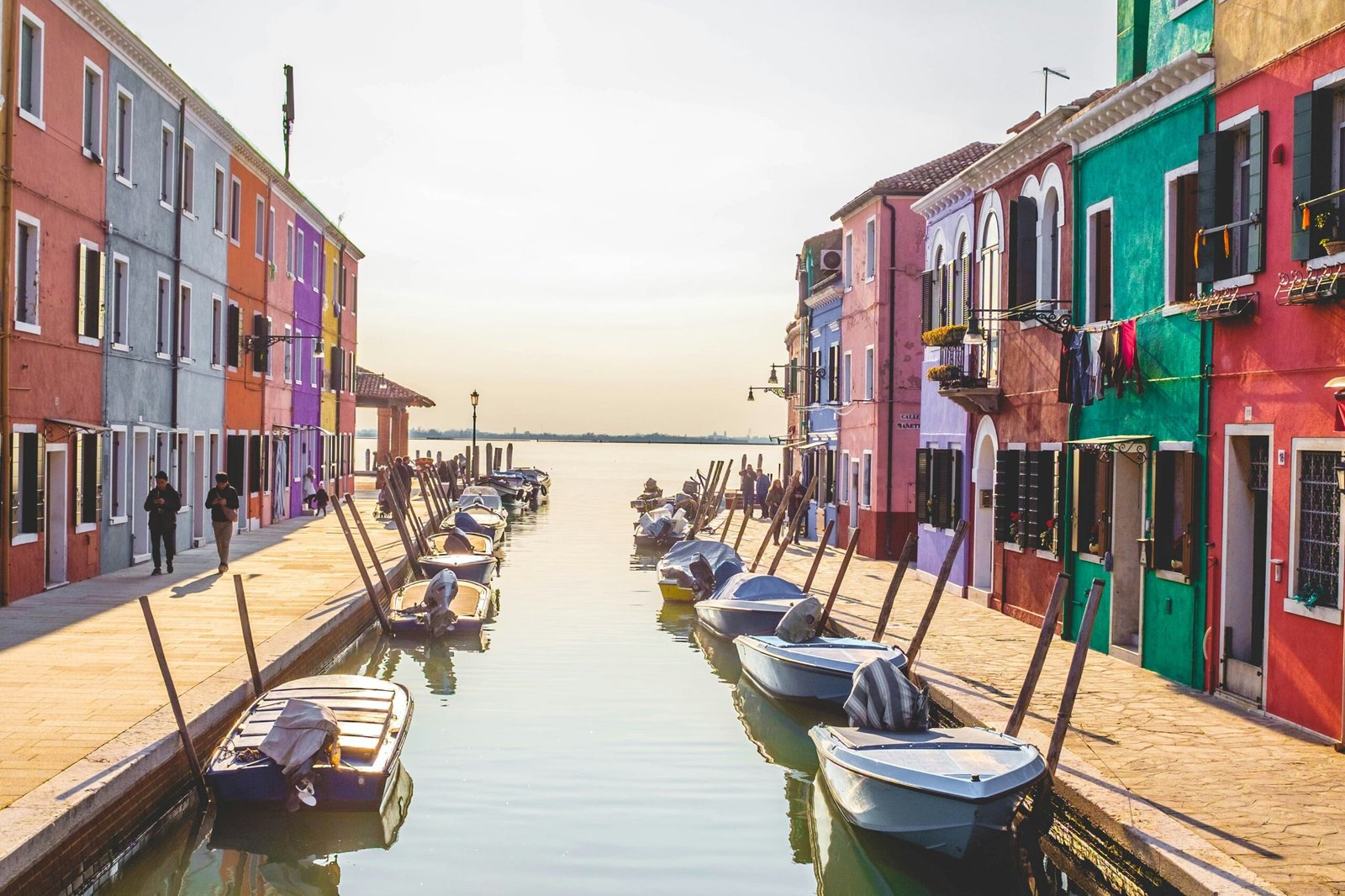
The islands require at least half a day and strict vaporetto timetable management. The best time slot is from 8:00 to 13:00, avoiding overloaded vaporettos between 10:00 and 11:30. If you leave the islands for the afternoon, you risk tight return windows and higher stress.
The tactical decision is to leave very early, prioritize only one or two islands if your time is limited, and buy a daily transport pass if you expect several rides. If your wider route later continues toward Florence or other dense historic cities, this same logic of zoning and timed access becomes just as valuable.
How to get there
Accessing Venice means managing several transport modes and anticipating real waiting times, especially from the mainland and airports. Unlike other cities, the final segment often involves walking, stairs, bridges, or water transport, so the arrival is not complete when you reach the station or Piazzale Roma.
| Ways to get there | Approximate duration | Real indicative cost | Comfort level | When it makes sense to choose it |
|---|---|---|---|---|
| Public vaporetto (ACTV) | 30–60 min | €9.50 per ride | Medium | Best low-cost option if you then walk |
| 24-hour vaporetto pass | Flexible | €25 | High | Worth it if you make more than 3 rides in a day |
| Alilaguna from airport | 60–75 min | €15–18 | Medium | Balanced option between cost and scenic experience |
| ATVO airport bus | 20–30 min to Piazzale Roma | €10 | High | Faster if your hotel is near Piazzale Roma or Santa Croce |
| Private water taxi | 25–35 min | €110–150 | Very high | Ideal with luggage, late arrivals, or a high-comfort trip |
Strategic conclusion: if you are going to move between several areas or visit islands, the 24-hour pass reduces logistical friction and usually becomes cost-effective from the third ride onward.
From Marco Polo Airport. In most cases, the most balanced option is the Alilaguna vaporetto, with trips of 60–75 minutes to St. Mark’s or Rialto. Water taxis reduce the trip to about 25–35 minutes but can cost over €100. If you choose the bus to Piazzale Roma, the ride is faster, but after that you still need to connect by vaporetto or walk, which adds another 20–35 minutes depending on your final destination.
From Santa Lucia train station. Santa Lucia is the entry point for most people arriving by train from other Italian cities. From here, connection to any central zone is done on foot or by vaporetto. The transfer time to St. Mark’s is around 25–35 minutes by vaporetto or 35–45 minutes on foot while crossing several bridges.
This is why Venice works better when it is sequenced logically inside a broader Italy route built around real transport decisions, not romantic assumptions about distance.
By car or bus from Mestre. Private vehicles must be parked at Piazzale Roma or Tronchetto. From both points, access to the historic center is only possible on foot or by vaporetto. Add 15–20 extra minutes to retrieve your vehicle and leave the city on high-demand days.
Where to stay
Your accommodation choice in Venice determines the efficiency of your routes and the total cost of the trip. The city is divided into sestieri, each with logistical advantages and disadvantages that impact time, fatigue, and budget.
| Area | Main advantage | Main drawback | Best for |
|---|---|---|---|
| San Marco | Maximum proximity to major sights | Highest prices and crowd pressure | Short stays with high budget |
| Cannaregio | Good station access and local atmosphere | Longer walk to St. Mark’s | Balanced first visit and train arrivals |
| Dorsoduro | Calmer, artistic, strategic for walking | Less direct if arriving late with luggage | Couples, culture, lower friction |
| Santa Croce / San Polo | Practical balance between access and center | Some narrow, confusing routes | Luggage-conscious travelers |
| Murano / Lido | More calm and sometimes lower prices | Dependence on vaporetto schedules | Longer, quieter stays |
St. Mark’s cuts travel times to the main attractions, but it comes with a clear price premium and maximum saturation. If you do not book early, you may pay a lot for a room that still requires bridge crossings and slow walking at peak times.
Cannaregio is ideal if you arrive by train or bus. It allows you to walk to St. Mark’s in about 20–25 minutes, with less saturated routes and prices often lower than in the center. The atmosphere is quieter and logistics improve if you need to leave early.
Dorsoduro is perfect for those seeking a less touristy environment but still with reasonable access to all key points. From here, you can reach St. Mark’s and Rialto on foot, while enjoying a calmer evening atmosphere.
Santa Croce and San Polo offer an intermediate solution: close to Piazzale Roma, good walking access to the main attractions, and manageable prices. Fatigue accumulation is lower than in more remote areas.
Peripheral islands can reduce costs, but they add daily transfer time and dependence on vaporetto schedules. They are only efficient if your trip is longer and you are comfortable moving more slowly.
Where to eat
Dining in Venice follows a territorial and peak-hour logic. Eating near St. Mark’s or Rialto can mean paying far more for a standard dish than in peripheral areas. To optimize both budget and experience, you need to play with timing, location, and the type of venue.
| Type of area or venue | Real average price per person | Peak-hour risk | Recommended strategy |
|---|---|---|---|
| Cicchetti / bacari | €8–15 | Low–Medium | Ideal for eating quickly without breaking your route |
| Trattoria outside the tourist axis | €15–25 | Medium | Best balance of quality and price |
| Tourist area near St. Mark’s | €30–50 | High | Avoid 13:00–15:00 or reserve ahead |
| Café with a central view | €5–9 for simple drinks | Medium | Stand or move away from the square if saving matters |
Strategic conclusion: if you want to optimize your budget without sacrificing the experience, combine cicchetti at midday with a local trattoria outside the St. Mark’s–Rialto axis in the evening. Avoiding the tourist core can reduce spending by up to 30–40% per meal.
Local trattorias in Cannaregio and Dorsoduro. The best range for eating is from 12:00 to 13:30 or from 19:00 to 20:30, before the large arrival of tourists and groups. A full menu often costs around €18–25, with fresh fish dishes and cicchetti at €1.5–3 each.
Cicchetti bars and bacari. These are ideal for light lunches or informal dinners. They let you try several local specialties without sitting down for a full menu, reducing total time and cost.
Pizzerias and tourist restaurants. In central areas, menus can rise quickly, with hidden supplements such as coperto or service. Always check the menu at the entrance and ask about supplements before sitting down.
Practical travel tips
- Use a smart zoning sequence: many travelers try to visit St. Mark’s and Rialto in the same morning slot, which usually translates into queues and slow walking. Start at St. Mark’s before 9:00 and postpone Rialto until after peak flow.
- Buy key tickets in advance: online tickets for major monuments and museums avoid long lines and help you keep the rest of the route stable.
- Consider the vaporetto pass: if you plan to visit Murano, Burano, or make several rides between districts, the daily pass can create real savings and reduce ticket-office friction.
- Avoid bulky luggage: dragging large suitcases over bridges and through narrow streets adds time, stress, and physical effort to every transfer.
- Plan meal times: eating between 13:30 and 15:00 or after 21:00 often pushes you into saturated tourist restaurants.
- Download maps offline: mobile signal can be unstable in alleyways and canal areas. Offline maps prevent detours and panic navigation.
- Control human flow: if St. Mark’s or Rialto are saturated, redirect the route toward Dorsoduro or Cannaregio and return later.
- Reserve restaurants in high season: not booking usually means waiting or ending up in expensive, lower-quality options.
- Use side streets: parallel routes reduce transfer time and lower the fatigue caused by moving slowly with crowds.
- Avoid the last vaporetto: plan your return from Murano or Burano at least 45 minutes before the last practical departure.
- Plan breaks every 90 minutes: in summer, heat and humidity build fatigue quickly. Dorsoduro and Cannaregio work better for calmer pauses.
- Carry some cash: many small bars and shops still prefer cash. Keep €40–60 in small bills to avoid ATM detours.
- Do not change accommodation inside Venice: switching hotels multiplies luggage transfers and creates unnecessary friction.
- Anticipate check-out logistics: if your departure is early, consider staying closer to Santa Lucia, Piazzale Roma, or your vaporetto line.
📶 Keep maps, bookings, and route changes available in real time
Mobile dataVenice becomes harder the moment maps fail, signal drops, or route changes hit during a busy transfer. Having mobile data ready from the start makes navigation, bookings, and on-the-fly adjustments much easier to control.
Check eSIM options for ItalyCommon mistakes and what NOT to do
- Not calculating real transfer times: bridge crossings and tourist density can increase walking times by 40% or more.
- Visiting St. Mark’s between 10:30 and 13:00: this is the highest saturation window and can damage the rest of the day.
- Improvising Murano and Burano: without vaporetto timing, you lose time at piers and risk a stressful return.
- Choosing accommodation based only on price: cheaper island or mainland options can add too much daily transfer friction.
- Not reserving restaurants in high season: this usually pushes you toward tourist menus or long waits.
- Ignoring coperto and service charges: always check the menu before sitting down.
- Underestimating bridge fatigue: an average day in Venice can involve hundreds of extra steps from bridges alone.
- Ignoring climate impact: humidity, rain, fog, and heat can all slow movement and increase fatigue.
- Depending only on live mobile navigation: download offline maps before entering the maze.
- Leaving shopping until the last minute: many shops close around 19:00–19:30.
- Forgetting cash: small bars and shops may not accept cards.
- Underestimating departure logistics: an early train or flight can become stressful if you must cross bridges with luggage.
Safety or recommendations
Venice is a safe city, but it requires attention to logistics and a few minor risks. The main threat is not serious crime, but fatigue, disorientation, and opportunistic theft in saturated areas. Always keep your belongings in sight in St. Mark’s and Rialto, especially between 10:00 and 13:00.
The biggest physical risk is exhaustion caused by summer heat and humidity, or slipping on rainy and foggy days. Wear non-slip footwear and carry water. If you travel with elderly people or reduced-mobility companions, plan routes with fewer bridges and check accessibility at accommodations and museums in advance.
| Risk | Where it appears most | How to reduce it |
|---|---|---|
| Pickpockets | St. Mark’s, Rialto, crowded vaporettos | Use crossbody bags and keep valuables in front |
| Fatigue | Long walking days and repeated bridge crossings | Plan breaks and avoid unnecessary backtracking |
| Slipping | Wet stone, foggy mornings, bridges | Wear non-slip shoes and avoid rushing |
| Transport stress | Murano, Burano, airport transfers | Check vaporetto schedules and avoid last departures |
| Restaurant overpricing | St. Mark’s and Rialto tourist corridors | Check menus, coperto, and move into side streets |
Avoid improvised public toilets: they are scarce and often have lines in central zones. The best tactic is to use facilities in cafés and museums. In case of high tide, check official alerts and follow marked routes to avoid flooded areas.
🛡️ Add a protection layer before delays and missed connections become expensive
Travel coverIn Venice, missed boats, weather disruptions, luggage issues, and small setbacks can quickly turn into lost money and broken planning. A solid insurance layer helps protect the trip when the route stops behaving as expected.
Compare travel insurance optionsFrequently asked questions (FAQ)
- What is the best time of day to visit St. Mark’s Square?
The optimal slot is before 9:00, when human density is lower and lines for the Basilica or Doge’s Palace are usually easier to manage. Between 10:30 and 13:00, waiting times can multiply and affect the rest of the day. - How much does it really cost to move around by vaporetto for one day?
A single ticket costs around €9.50. If you make more than three rides, a daily pass usually becomes more efficient, especially if you include Murano or Burano. - Is it possible to explore Venice entirely on foot?
Yes, but it means long walking days and many bridge crossings. The historic center is compact, but movement can be slow in saturated areas. For Murano or Burano, you need the vaporetto. - Where is the best area to stay to avoid long transfers?
Cannaregio, Dorsoduro, Santa Croce, and San Polo usually offer better balance than San Marco. They reduce price pressure while keeping the main areas reachable on foot. - Is it necessary to book restaurants in advance?
In high season and on weekends, yes. Booking at least 24 hours ahead helps avoid long waits or poor-value tourist restaurants. - How do I avoid lines at museums and monuments?
Buy timed tickets online for key monuments and visit early. This keeps the day stable and prevents one queue from damaging the rest of the route. - What should I do if there is acqua alta?
Check official alerts, follow marked routes, and adapt the day away from the most affected zones. St. Mark’s and nearby areas are often more exposed. - How much cash is recommended per day?
Carry €40–60 in small notes. Many small bars, cafés, and peripheral places may still prefer cash or have card limitations.
Realistic field note: on a well-sequenced Venice day, starting at 8:10 in St. Mark’s can change everything. You cross the square before the peak flow, enter the Doge’s Palace with minimal waiting, move toward Rialto through secondary streets before the main pressure builds, eat early in Cannaregio, and spend the afternoon in Dorsoduro when the light and density are better. The result is fewer unnecessary steps, zero critical waits, and a day that feels controlled instead of chaotic.
Conclusion
Mastering Venice requires more than enthusiasm: it requires strategic vision, anticipation, and a realistic understanding of its rhythms and frictions. Zonal sequencing, schedule management, and territorial logic are the keys to maximizing the value of every day and avoiding the physical and financial wear that affects most poorly prepared visitors.
Venice, when well managed, is as enjoyable as it is demanding. The difference depends on your ability to anticipate and adjust each movement. And if this lagoon stop is part of a wider Italian route, it helps to connect that strategy with broader guides such as Northern Italy logistics and how to travel through Italy without route-planning mistakes.
🌍 Explore Italy with a strategic vision
Practical guides, optimized routes, and smart decisions to travel better through Italy without costly logistical mistakes.
GlobeVision™ — Strategic Travel System
GlobeVision™ does not publish generic travel lists. It analyzes destinations from a territorial, logistical, and operational perspective. If this guide helped you understand Venice as a system, the next step is to access the full travel strategy.
Access GlobeVision™