Operational handbook: Southern Italy — territorial optimization and logistical friction reduction
Most travelers need at least 7 to 12 days to explore Southern Italy with real balance. A shorter trip can cover one focused area such as Naples and the Amalfi Coast, but a broader route across Campania, Puglia, Calabria, or Sicily requires more time to avoid excessive transfers and constant repositioning.

Introduction
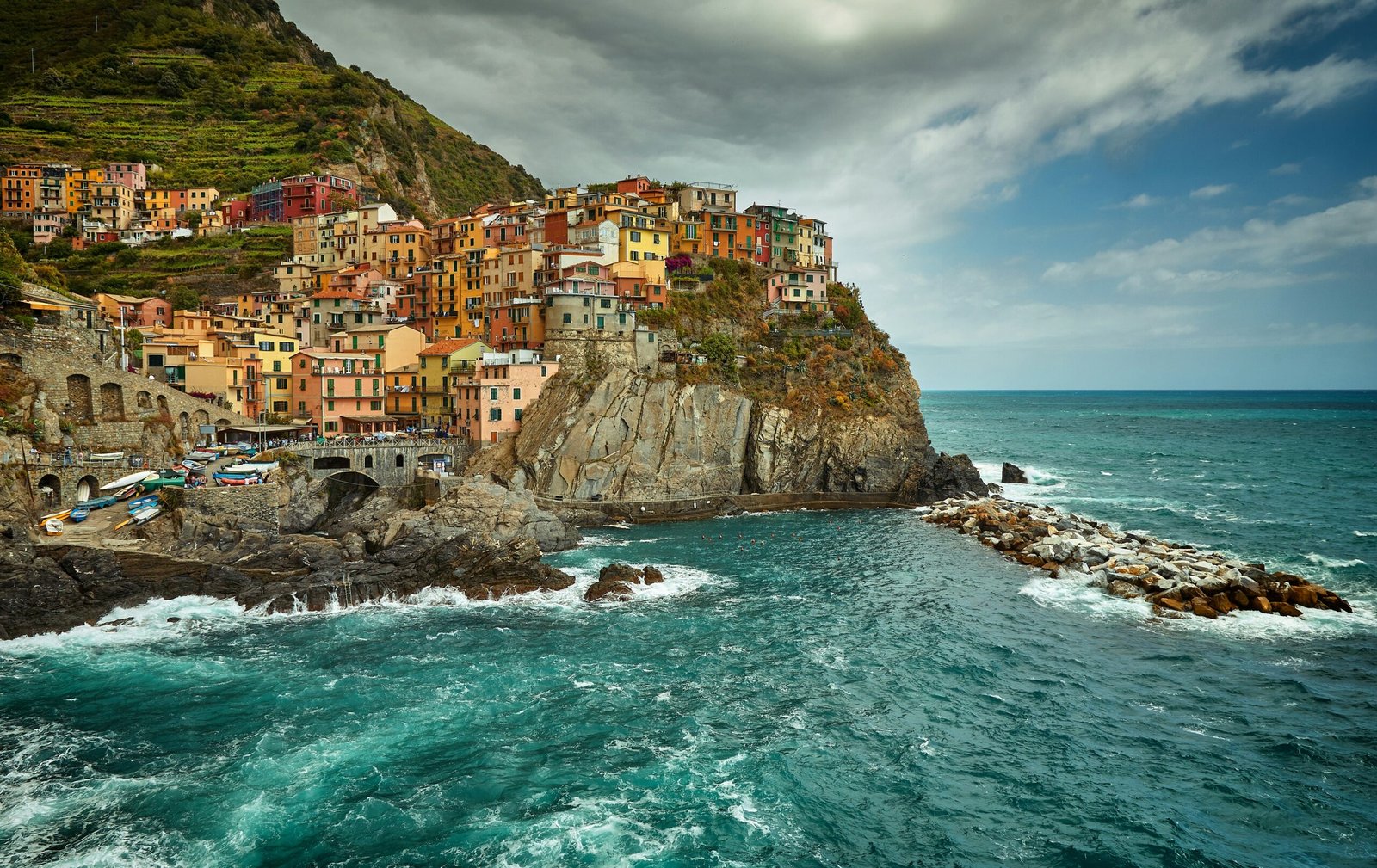
Southern Italy is a broad and varied macro-region that stretches from the Amalfi Coast and the Sorrento Peninsula to Puglia, Calabria, and Sicily. This guide is not a scenic chronicle or a postcard list. It is an operational manual designed to reduce logistical friction, anticipate measurable mistakes, and optimize real decisions about transport, timing, accommodation, and food. The priority here is territorial efficiency: how to connect Naples with Matera without adding more than 3 extra hours of travel, how to avoid 90-minute waits in secondary stations, or which train-and-ferry combinations save 25–40 km of road driving per segment.
You will find geographic sequences designed to minimize unnecessary transfers and recover useful hours during the day. Recommendations include concrete figures — minutes, kilometers, and euros — along with micro-scenes that help visualize real problems. For example, what happens when a regional train arrives 25 minutes late and your ferry departs 30 minutes later, or how the wrong overnight base can cost you 30–45 minutes every day for three consecutive days. The objective is simple: each decision taken with this guide should reduce real losses of time and money.
The structure is practical: best places ranked by visit efficiency, optimized access routes, accommodation areas chosen by time and cost logic, food recommendations judged by value and speed, 14 operational tips with measurable outcomes, and 12 common mistakes explained through micro-scenes and quantified consequences. The FAQ section focuses on critical logistical doubts. Before the conclusion, the strategic index summarizes the destination in GlobeVision terms. The result is a document you can actually use as an operational checklist across Southern Italy.
Best places to visit
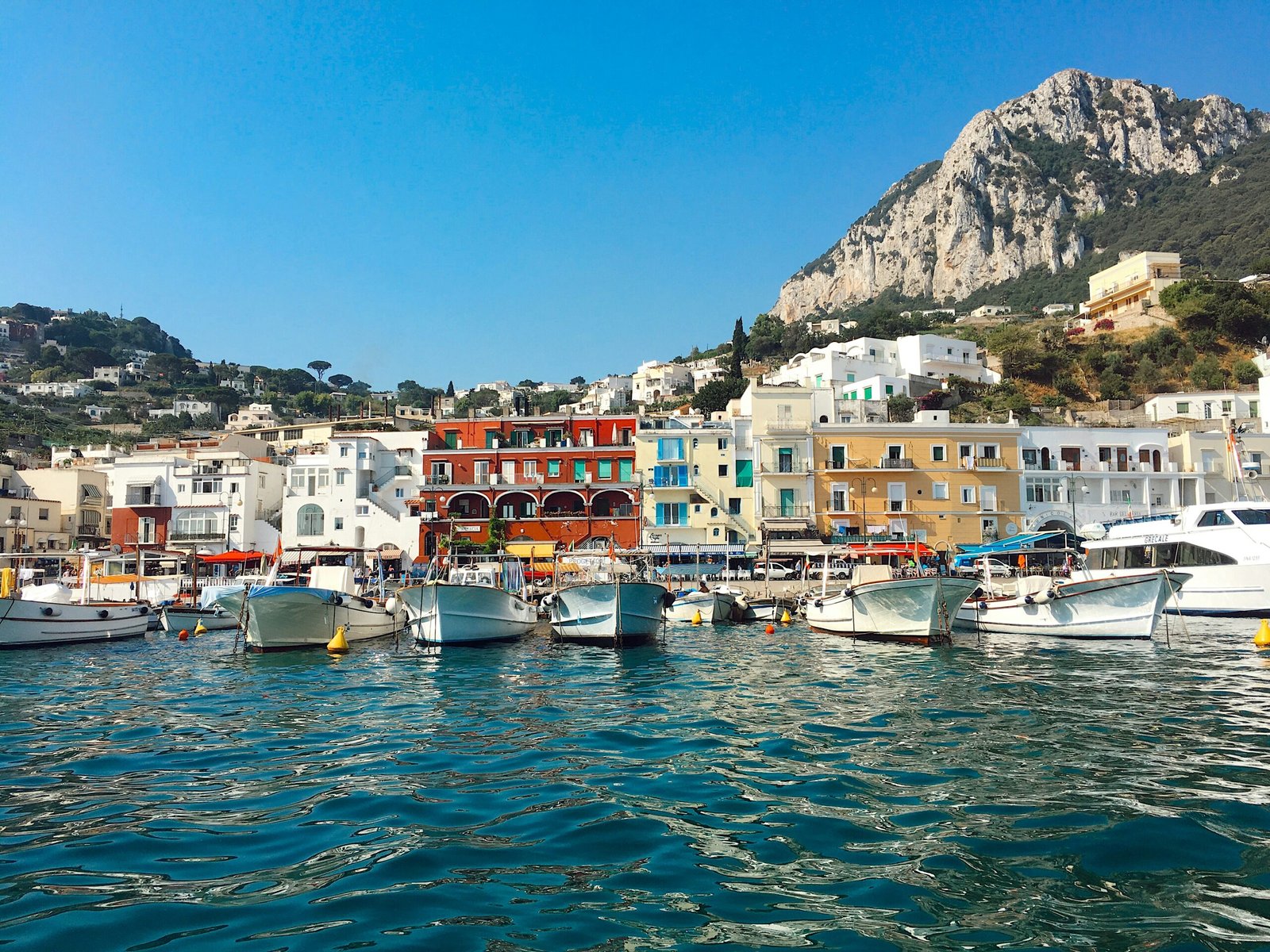
This section prioritizes places by territorial efficiency: experiential value per minute invested. The goal is not to list everything, but to highlight destinations that can be linked with fewer than 90 minutes of transfer between them or that function as strong logistical bases for wider exploration. In practice, that means using Naples as a major operational hub, treating the Amalfi Coast as a high-friction coastal block that needs sequencing, and reading Capri as an island extension that only performs well when inserted into the route with realistic ferry logic.
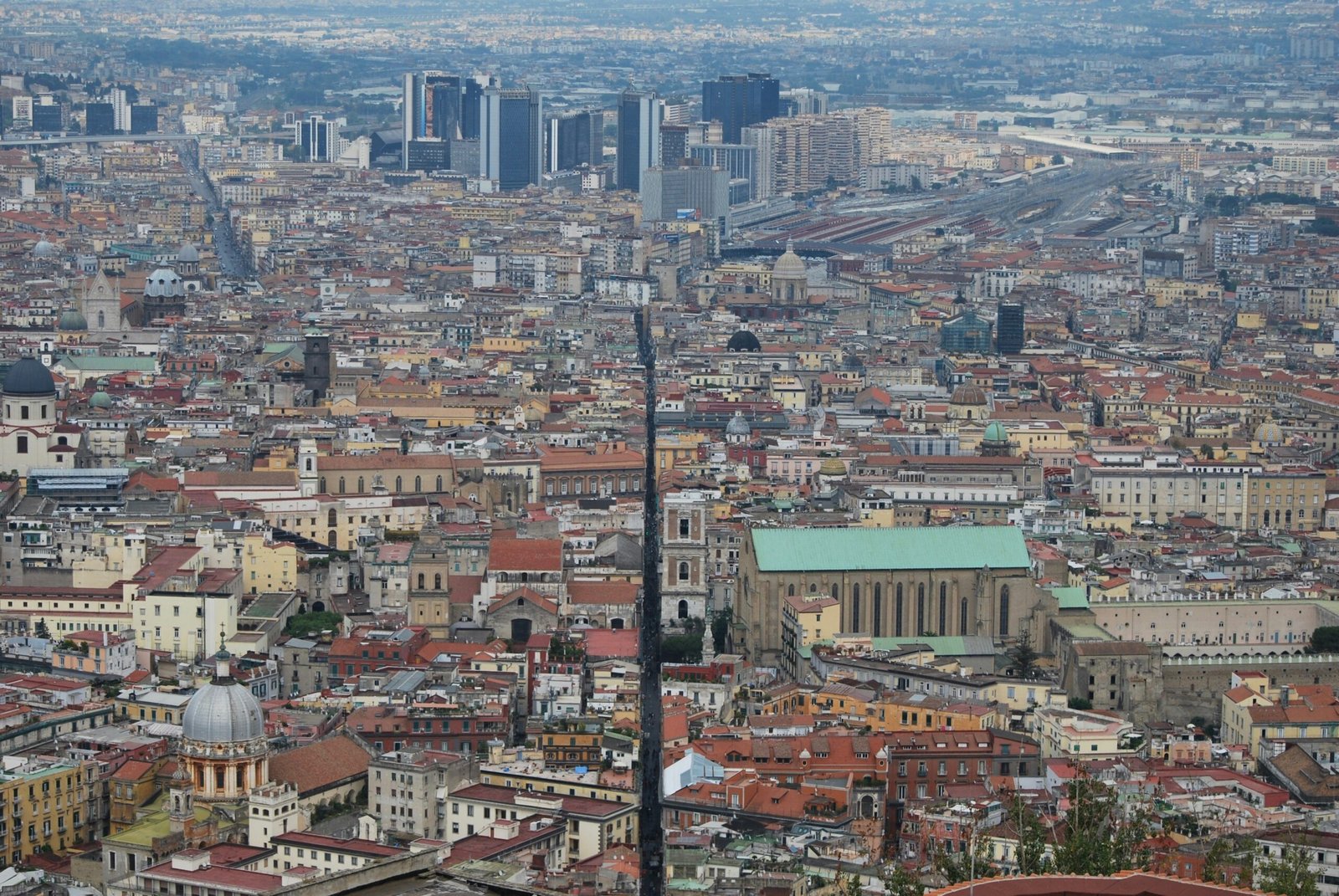
1) Naples Historic Center: ideal for 3–4 hours on foot. From Napoli Centrale, reaching the old center takes around 10–15 minutes by metro. Strong urban density, high heritage concentration, and excellent connection logic for onward routes.
2) Pompeii and Herculaneum: 2–3 hour focused visits each, connected by Circumvesuviana in roughly 30–40 minutes from Naples. They deliver high historical value with relatively efficient access if timed well.
3) Amalfi Coast (Sorrento, Positano, Amalfi): optimize with ferries whenever possible. A Sorrento–Positano ferry can save 45–75 minutes of summer road friction on a single segment.
4) Matera: 4–6 hours of useful exploration in the Sassi. Best linked from Bari by train or bus, usually 1h15–1h30. It performs better as a dedicated half-day or overnight block than as a rushed detour.
5) Alberobello and the Itria Valley: clusters of 2–3 hours per town, with 40–60 km between operational nodes. Better when grouped by car or tight regional routing.
6) Lecce and Salento: Lecce works as a base for beaches and smaller Salento towns, often within 20–45 minutes. Good territorial yield if you stay central and avoid over-scattering.
7) Reggio Calabria: especially useful as a gateway if crossing toward Sicily. Ferry links to Messina typically take 20–30 minutes and make it more strategic than it first appears.
8) Taormina and Syracuse: in Sicily, these should be sequenced carefully. Rail + bus combinations often work better than forcing a car route during high season, when parking and diversions can add 90–120 minutes of friction.
How to get there
Main air gateways include Naples (NAP), Bari (BRI), Brindisi (BDS), Palermo (PMO), and Catania (CTA). Flying into Naples and then connecting toward the Amalfi Coast or Puglia is often the fastest starting option. Real example: Naples to Sorrento by taxi can cost €70–€90 and take roughly 50 minutes, while a ferry alternative may reduce both friction and time in peak periods.
By train, Frecciarossa and Italo connect major hubs such as Naples and Bari in around 3h45–4h15. Regional services like Circumvesuviana are slower but useful for dense local segments such as Naples–Pompeii in about 30–40 minutes. Interregional buses such as FlixBus or Marino cover routes like Bari–Lecce in 1h30–2h30 and may cost €6–€15, but terminal waiting times and delay exposure can add 20–60 minutes of hidden friction.
Renting a car is recommended mainly for rural segments: the Murge plateau, inland Calabria, parts of the Itria Valley, or fragmented coastal routes where public transport loses structure. Total operating cost often lands around €0.28–€0.38 per kilometer once fuel and tolls are included. In summer, narrow coastal roads can add up to 45 extra minutes per day in traffic alone. For inter-island or mainland–island crossings, ferry reservations — especially around Villa San Giovanni and Messina — reduce the risk of 20–90 minute weekend queues.
Compare flights into Southern Italy with better route logic
If your route depends on entering through Naples, Bari, Palermo, or Catania, comparing arrival airports before booking can save both money and downstream friction. In Southern Italy, the cheapest flight is not always the most efficient entry point.
→ Compare flights and arrival options

| Way to reach Southern Italy | Typical duration | Estimated cost | Comfort | When it makes sense | Main logistical note |
|---|---|---|---|---|---|
| International / domestic flight | Varies by origin | €180–€300 | High | Main access route for long-distance arrivals | Choose airport by first territorial block, not by cheapest fare alone |
| High-speed train | Fast between major hubs | €38–€63 | High | Best time-price balance for city-to-city structure | Works best if your route is hub-based, not rural |
| Regional transport | Variable | €1–€3 per ride | Medium | Useful inside dense local areas | Build margin for delays and reduced station infrastructure |
| Private transfer / taxi | Fast on short access segments | €18–€30+ | High | Recommended with luggage or late arrivals | Good for first/last mile, rarely efficient for long routing |
| Rental car | Depends on route | €0.28–€0.38/km total | Medium | Best for rural clusters and fragmented routes | Avoid it in historic cores and ZTL-heavy cities |
Where to stay
Choose accommodation according to the structure of your itinerary, not simply the charm of the location. A well-positioned base can save 20–45 minutes each day, while a poor choice can complicate every transfer. Stay near Naples when your route depends on trains, ferries and airport connections, and move closer to the Amalfi Coast only when that part of the itinerary is already confirmed. If the trip includes an island, treat Capri as a planned extension with fixed transfer times rather than a spontaneous detour.
Naples: staying in Chiaia, Municipio, or Vomero usually reduces 15–25 minutes of daily movement compared with peripheral zones. Typical mid-season rates: €70–€140 per night.
Sorrento: sleep close to the marina or station area if your itinerary depends on ferries and early departures. This often saves 10–20 minutes per day in transfer friction. Typical range: €80–€160.
Bari: Bari Vecchia or the central station area give stronger links to Matera and Alberobello, often within 20–40 minutes of functional departure logic. Typical cost: €60–€110.
Itria Valley: rural accommodation works only if you are operating by car. Alberobello to Ostuni, for example, usually requires 50–65 minutes by road for a 45–55 km segment.
Lecce: a central base can save up to 30 minutes daily if Salento is your target. This is one of the clearest cases where staying “pretty but far” usually backfires.
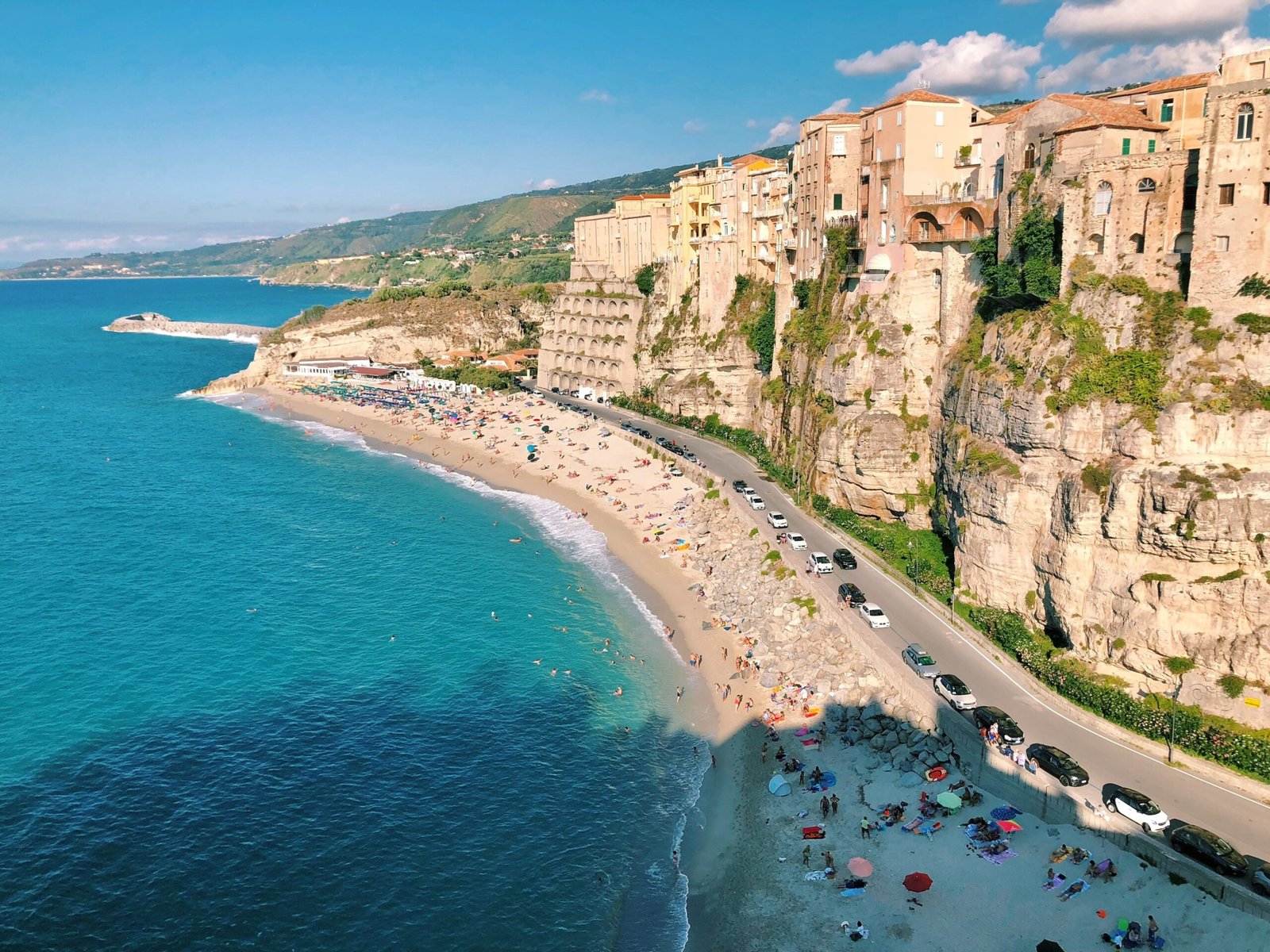
Calabria: Scilla or Tropea work well as coastal bases with beach transfers often kept inside 20–35 minutes.
Sicily east coast: Taormina can reduce 40–60 minutes compared with staying in Catania if your consecutive-day goals include Syracuse and Etna.
| Base area | Best for | Typical nightly range | Main advantage | Main risk |
|---|---|---|---|---|
| Naples core | Campania hub routes | €70–€140 | Strong rail + ferry positioning | Noise and density if badly selected |
| Sorrento | Amalfi Coast / island access | €80–€160 | Good ferry logic and coastal sequencing | Higher prices in peak season |
| Bari | Matera + Puglia structure | €60–€110 | Balanced east-side hub | Less useful if your route is Salento-heavy only |
| Lecce | Salento exploration | €65–€130 | Efficient for short beach arcs | Weak if you keep changing macro-zones |
| Taormina | East Sicily blocks | €110–€220 | High scenic + strategic value | Parking and seasonality friction |
Where to eat
Food choices here are judged by value, time efficiency, and territorial logic. This is not just about where to eat best, but where eating works best within the structure of your day.
Naples: central pizzerias with fast table rotation can still generate 30–40 minute waits at peak time. Typical cost: €8–€15 for a pizza-focused meal.
Sorrento and Amalfi: trattorias with local seafood and limoncello logic often require 60–90 minutes at dinner. Booking ahead or eating between 18:30 and 19:15 can cut waiting time by 20–40 minutes.
Bari: osterias with local menus often serve mains for €8–€12. If you avoid the 13:00–14:30 lunch bottleneck, total meal time may stay inside 30–45 minutes.
Rural Puglia: markets and friggitorie are powerful for compressed days. A 15–25 minute stop can solve a meal for €5–€10 and save both time and energy.
Calabria: fresh fish in markets or simple local restaurants often costs €12–€25, but buying smartly in the morning can save €20–€40 compared with tourist-driven evening dining.
Sicily: port-side restaurants outside the 20:00–22:00 tourist peak may reduce both queue times and final bill by 15–30%.

| Food zone type in Southern Italy | Average price per person | Peak-time risk | Best strategy |
|---|---|---|---|
| Central tourist core | €14–€24 | High | Book ahead or avoid 13:00–15:00 and 20:00–22:00 |
| Local neighborhoods | €11–€19 | Medium | Best value for money |
| Fast options / friggitorie / markets | €7–€12 | Low | Perfect when saving time matters more than table service |
Practical travel tips
1) Prioritize ferries over roads on coastal segments where the ferry cuts more than 30 km and 45 minutes of driving. Micro-scene: traveling from Naples to Positano in August by road may mean 60–90 minutes of traffic. Choosing the ferry from Sorrento can save around 45 minutes and €15–€25 per passenger in friction-related costs.

2) Reserve intercity trains 48–72 hours ahead to secure seats on Frecciarossa or Italo and avoid last-minute price inflation of €10–€35. Micro-scene: a traveler buying Naples–Bari on the same day pays €25 more and risks standing for 3h45.
3) Avoid Circumvesuviana at peak time if you carry large luggage. Boarding friction and stations without elevators can add 10–25 minutes per station. Micro-scene: dragging a large suitcase through multiple stairs in Pompeii adds 12 minutes and may trigger an extra €12–€18 taxi.
4) In Puglia, group visits inside a 40–60 km radius so that each segment stays below roughly 75 minutes. Micro-scene: trying Alberobello and Lecce in the same morning creates 2–3 hours of wasted road time.
5) In high season, reserve restaurants 24–48 hours ahead and target 19:00–19:30 seating. Micro-scene: without a reservation in Positano, a group of four waits 80 minutes and ends up paying 20–30% more for weaker fallback options.
6) For long cross-regional transfers such as Naples–Bari, prefer the first high-speed train of the day. This protects the afternoon block and reduces the probability of delay accumulation.
7) On narrow coastal roads such as the Amalfi Coast, add 20–40 extra minutes for each 10–15 km stretch in peak hours. Booking parking near the final node may save 15–30 minutes of useless searching.
Stay connected across trains, ferries, and regional transfers
In a route as fragmented as Southern Italy, mobile data helps with train changes, ferry checks, maps, delays, and last-minute reconfiguration. Staying connected is not just convenience here — it is part of reducing logistical friction.
→ Get an eSIM for Italy before the trip
8) Reserve Calabria–Sicily ferries at least 24 hours ahead on weekends. Micro-scene: without reservation in Villa San Giovanni, a traveler waits 75 minutes and misses the evening structure, paying €30–€50 more in improvised accommodation.
9) Carry €20–€80 in cash for rural shops and parking areas that may not accept cards. A 15-minute detour to an ATM often becomes 25–30 minutes of total loss.
10) Choose accommodation with flexible or late check-in, ideally until at least 21:00. This can prevent late-night taxis costing €25–€60 and unnecessary stress after delayed arrivals.
11) If traveling on regional trains with multiple stops, add 15–30% margin to the official schedule. A 20-minute connection between regional and high-speed service is often too tight.
12) Avoid driving into the historic centers of Naples, Bari, Lecce, or similar ZTL-heavy cities. Parking search and access mistakes can add 25–50 minutes and fines of €80–€200.
13) In summer, start beach visits before 10:00 to secure parking and reduce 30–45 minutes of later friction. Arriving at Tropea at 11:30 in August can wipe out 1–2 useful hours.
14) Use local markets in the morning, roughly 08:00–10:00, to build quick meals if you have accommodation with a kitchen. This can save €10–€20 per meal and 40–60 minutes compared with tourist-restaurant routines.
Common mistakes and what NOT to do
1) Trusting published regional bus schedules without margin. Micro-scene: a FlixBus arrives 15–25 minutes late in Bari and you lose your onward train to Rome. Consequence: €45–€70 in extra tickets or 4–6 hours of waiting.

2) Booking beautiful but poorly connected accommodation without a car. A rural agriturismo in the Murge may look ideal, but if the first daily bus leaves at 09:00, you lose the whole morning and may need a €35–€60 taxi to recover structure.
3) Underestimating seasonal ferry boarding times. Arriving 10 minutes before departure in Villa San Giovanni on a busy weekend can still mean a 60–90 minute vehicle queue.
Protect the trip against delays, cancellations, and medical surprises
Southern Italy often combines regional trains, ferries, rural roads, and multi-base itineraries. That makes disruption more likely than in a single-city trip. A solid travel insurance layer can help protect the structure of the route when something breaks.
→ Compare travel insurance options
4) Ignoring ZTL rules and parking restrictions. Accidentally entering a restricted center in Lecce can trigger a €90–€160 fine plus 1–2 hours in administrative friction if you try to resolve it locally.
5) Packing too many interprovincial visits into one day. Matera + Alberobello + Ostuni in one day may add 3–4 hours of road time and leave less than 60–90 useful minutes per stop.
6) Trusting peak-season online accommodation prices without checking extras. A room advertised at €80 in Sorrento may become €10–€25 more expensive per night once breakfast, city tax, and supplements are added.
7) Not carrying cash for rural parking or markets. A failed card payment may force a 15-minute ATM detour that becomes a 20–30 minute total loss.
8) Underestimating luggage friction on regional trains and ferries. Two large suitcases on Circumvesuviana or in stations without elevators can generate 15–25 minutes of pure handling friction or an unplanned taxi.
9) Going to major beaches at full peak time without alternatives. Arriving in Amalfi at 12:30 in August may cut a planned 6-hour beach block down to 2 useful hours once crowding and parking search are included.
10) Not checking the connection logic between high-speed and regional trains before buying tickets. A 10-minute connection is often too aggressive and can cost 80–90 extra minutes if missed.
11) Underestimating timed-entry attractions. Visiting archaeological sites such as Pompeii without a reservation in high season may mean 45–75 minutes in line and a degraded rest of the day.
12) Delegating logistics entirely to apps without verifying local closures or special conditions. A bus suggested by an app may not run due to a local event or road closure, creating 60–120 minutes of forced reorganization and possible €25–€45 taxi cost.
Safety and recommendations
1) Wallets and phones: in saturated tourist zones, keep your wallet in a front pocket and avoid loose phone handling. Losing documents in a large station can create 2–4 hours of administrative recovery.
2) Night driving: avoid poorly lit secondary roads in Calabria and Sicily between 22:00 and 06:00 when possible. A bad rural detour can add 30–60 minutes and create breakdown risk.
3) Health logistics: carry a small basic kit and keep medication names in English or Italian if relevant. In rural areas, reaching a pharmacy may take 40–90 minutes.
4) Documentation: store copies of passport, tickets, and key bookings in the cloud. Losing a document during transit can easily consume half a day.
5) Weather: in rainy periods across Puglia or Calabria, add 20–50% more road time on slippery segments and avoid pushing a rigid schedule that depends on perfect conditions.
Frequently asked questions (FAQ)
1) What is the best base for the Amalfi Coast if I only have 3 days? Naples can work as the main gateway, but Sorrento is usually the strongest operational base once your focus shifts to the Amalfi Coast. It reduces transfers and keeps ferry access efficient. If you also want to include Capri, booking ferries 24 hours ahead lowers the risk of losing 30–60 minutes in queue friction.
2) Is it better to rent a car in Puglia or rely on trains and buses? For rural concentration — Itria Valley, inland roads, flexible stop logic — the car is more efficient and may save 60–90 minutes a day versus low-frequency public transport.
3) How do I avoid missing connections between high-speed and regional trains? Leave at least 30–40 minutes between arrival and departure when the connection matters. That margin absorbs 15–25 minute delays and may save a €20–€40 emergency taxi.
4) Should I reserve ferries and train tickets in advance? Yes. Booking 48–72 hours ahead often prevents €10–€35 of overpricing and improves your odds of keeping a seated, lower-friction transfer.
5) What daily budget should I consider? A practical medium operating range is often €60–€120 for accommodation, €20–€35 for food if you mix markets and simple restaurants, and €5–€30 for transport depending on the day’s structure.
6) How do I manage ZTL if I arrive by car in a historic center? Check the municipal website and ask your accommodation whether they can register your plate. Otherwise, park outside and walk 10–25 minutes.
7) Which apps are useful in Southern Italy? Train apps such as Trenitalia and Italo, ferry company sites, and offline map tools. But always verify times on the operator’s own source if the transfer is important.
8) How should I handle rainy days on a coastal itinerary? Push beaches to the next good-weather window and use museums or covered sites on the wet day. This simple change can save 4–6 hours of wasted coastal structure.
Approximate cost in Southern Italy
| Item | Approximate price |
|---|---|
| 3★ hotel | €90–€160 / night |
| 4★ hotel | €160–€300 / night |
| Restaurant meal | €18–€35 |
| Local transport | €6–€10 / day |
| Intercity rail segment | €20–€60 |
| Regional ferry segment | €10–€25 |
Estimated daily budget
| Travel style | Approximate daily spend |
|---|---|
| Budget trip | €80–€120 |
| Mid-range trip | €140–€260 |
| Comfort trip | €260–€520 |
GlobeVision™ — Strategic Travel System
Analyze destinations through a territorial, logistical, and operational lens. In premium destinations, optimizing decisions can save dozens or even hundreds of euros during the trip. This approach prioritizes urban efficiency, regional structure, and friction reduction across transfers. If this guide helped you understand the real structure of the journey, the next step is to access the full system.
Strategic map of the destination
- Destination: Southern Italy
- Country: Italy
- Guide type: regional_guide
This article is part of the GlobeVision™ editorial system, designed to analyze destinations from a logistical, territorial, and strategic perspective.
Conclusion
Southern Italy rewards travelers who make conscious logistical decisions: choosing bases by connection time, using ferries when they cut both kilometers and hours, reserving in advance, and avoiding ZTL zones or narrow coastal roads during peak periods. Applying the strategies in this guide reduces losses measured in dozens of minutes and dozens of euros per segment. That is the purpose of the system: each daily choice should become more measurable — less waiting, less waste, and more effective travel time.