
GlobeVision™ — Operational guide to choosing your base and moving around Chianti without car, ZTL or parking mistakes

📊 GlobeVision™ Strategic Index
🧭 Operational summary of Chianti
2 – 4 days
Medium-high to high depending on accommodation, winery bookings and car rental
Medium: short distances on the map become slower with ZTL zones, rural roads and parking limits
Tuscany road trip, wine region, hill towns, wineries and scenic driving
📊 GlobeVision™ Indicators
🌍 Quick destination keys
Chianti
Tuscany, Italy
Wine region / road-trip territory
Introduction
Chianti by car requires choosing your base, parking strategy and winery schedule before booking: distances look short, but ZTL zones, rural roads, tasting hours and night driving can completely change the trip.
Chianti is not difficult because it is far. It is difficult because it looks deceptively simple on a map. Greve, Panzano, Castellina, Radda and Gaiole appear close to one another, but the real travel rhythm is shaped by curves, small parking areas, ZTL restrictions, winery appointment times, rural access roads, lunch breaks and the fact that many of the most beautiful places are not designed for rushed driving.
The key decision is not just “rent a car”. The real decision is where to stay, how far you are willing to drive each day, where you can park without stress, and how to avoid building an itinerary that looks elegant on paper but collapses on the road. Chianti rewards travelers who plan gently and punishes those who try to squeeze four wineries, two villages and a sunset dinner into the same day.
Chianti, in Tuscany, works best when you treat it as an operating area rather than a single destination. If you are connecting it with Florence, Siena or a broader Italy route, it is worth reading it together with the Tuscany travel guide, because the right base changes depending on whether Chianti is the main focus or just one stage in a larger itinerary.
📊 Practical data for Chianti
€3 – €4 in tourist-facing cafés or central terraces
€23 – €44 per person depending on village, wine and season
€20 – €35 for many guided tastings; premium visits can cost more
€36 – €72 depending on distance, time and availability
€174 – €390 depending on accommodation, car, meals and winery plans

Mental map of the destination

Operational Chianti is organized around the SR222, the Chiantigiana road, one of the most useful scenic routes in Tuscany. This axis links the Florence side with Greve, Panzano, Castellina, Radda, Gaiole and, eventually, the Siena side. The road is beautiful, but it is not fast: bends, cyclists, tractors, slow tourist traffic and village access points make travel times longer than the distance suggests.
North Chianti is more practical if you are arriving from Florence or want services close by. Central Chianti works better if you want balance between wineries, villages and restaurants. Southern Chianti is more immersive and rural, but also brings more secondary roads, longer evening drives and a stronger need to plan parking and dinner logistics.
Useful mental zones: Greve for first-time visits and access from Florence; Panzano as a central base on the SR222; Castellina as a bridge toward Siena and wider Tuscany routes; Radda and Gaiole for a more rural, wine-focused stay; and Castelnuovo Berardenga if your route leans toward Siena and the southeastern wineries. Once a daily drive starts exceeding 35 minutes each way, the charm of the landscape can turn into fatigue.

How to get there
Florence Airport is the closest air gateway for most Chianti routes. From there, Greve can usually be reached in around 40–60 minutes depending on traffic around Florence and the Firenze Impruneta access. Pisa offers more flight options and sometimes better prices, but the drive is longer and more exposed to traffic on the Fi-Pi-Li and connecting roads.
If you plan to rent a car, avoid collecting or returning it inside a ZTL-sensitive urban area unless you know exactly what you are doing. Florence is especially unforgiving with restricted zones, so airport or edge-of-city pickup is usually less stressful. A compact car is often better than a large SUV: Chianti rewards shorter vehicles, easier parking and calmer manoeuvres in narrow village streets.
Without a car, Chianti is possible but much less flexible. You can combine trains to Figline Valdarno or Poggibonsi with local buses, but frequencies vary and weekends can be limiting. If you want wineries, dinners, hilltop stays and scenic stops, relying only on public transport usually forces a tighter, less spontaneous itinerary.
Options for reaching and moving around Chianti
| Option | Approximate cost | When it makes sense | Real limitation |
|---|---|---|---|
| Rental car | €45 – €95/day + insurance + fuel | 2–4 day trips, wineries, agriturismi and flexible routes | ZTL zones, small parking areas, narrow roads and alcohol limits |
| Train + bus | €4 – €12 per combined leg | Very simple routes based around Greve or Castellina Scalo | Low frequency, reduced services on holidays and limited flexibility |
| Local taxi | €36 – €72 for short/intermediate rides | Dinners with wine, specific transfers or arrival without a car | Limited availability; book 12–24 hours ahead |
| Organized tour | €70 – €180 per person | If you want wine tastings without driving from Florence or Siena | Less freedom to adjust stops and timing |
Useful bookings before arriving in Chianti
If you are exploring Chianti by car, decide in advance which parts you will do independently and which are better delegated. Guided tastings, wine tours from Florence or Siena and basic travel connectivity can prevent delays, driving after wine and improvised decisions on rural roads.
Where to stay
Choosing where to stay in Chianti is not just an aesthetic decision. A beautiful rural property can be perfect if you want silence, views and slow mornings, but frustrating if every dinner requires driving in the dark. A village base may feel less cinematic, but can save time, reduce parking stress and make evenings much easier.
Greve in Chianti is practical for first-time visitors, arrivals from Florence and travelers who want services close by. Panzano is one of the most balanced bases if you have a car and want to move north and south without excessive backtracking. Castellina works well if you want to combine Chianti with Siena or broader Tuscany logistics. Radda and Gaiole feel more rural and immersive, but they demand more careful driving and evening planning.
Accommodation prices and types in Chianti
| Type | Approximate price | Best use | Check before booking |
|---|---|---|---|
| 3★ village hotel | €112 – €182/night | Practical trip with walkable dinners and less night driving | Private parking or nearby public parking outside ZTL areas |
| 4★ / boutique hotel | €208 – €338/night | Comfortable 2–4 night base with stable services | Car access, check-in hours, restaurant and cancellation policy |
| Agriturismo | €130 – €290/night | Landscape, silence, wineries and a more rural stay | Length of white road, night lighting and mobile coverage |
| Villa / country house | €220 – €600+/night | Families, groups or longer stays | Deposit, road access, heating, cleaning and distance to supermarkets |

Quick comparison: which base to choose in Chianti
| Base | Best for | Logistical advantage | Main risk |
|---|---|---|---|
| Greve in Chianti | First trip, arrival from Florence, services nearby | Good northern access, supermarkets, banks and peripheral parking | Can sit too far north if you want Radda, Gaiole or Siena |
| Panzano | 2–4 day trip with car and winery schedule | Central position on the SR222, balanced times north and south | Less convenient without a car; taxis need advance booking |
| Castellina in Chianti | Combining Chianti with Siena or the RA3 route | Excellent bridge between wineries, Siena and main roads | Partial ZTL and parking areas that should be located before arrival |
| Radda / Gaiole | Silence, rural scenery, agriturismi and slower travel | More immersive atmosphere and access to rural wineries | More bends, white roads and less comfortable night driving |
How to choose where to stay based on your profile
If you do not have a car, remove most rural properties from your shortlist and focus on Greve, Castellina Scalo or places with verified public transport. Chianti without a car can work, but only if you accept fewer moves, earlier planning and a smaller radius. A romantic agriturismo five kilometres from the nearest village becomes a problem if you rely on taxis that may not be available at dinner time.
If you have a car and 3–4 nights, Panzano or Castellina usually offer the best operational balance. They reduce average driving times, make winery appointments easier and avoid spending every day entering or leaving the region from the same northern access. If your plan includes Siena, Castellina becomes especially useful. If your route leans toward Florence, Greve and Panzano are easier.
If you are traveling with children or want dinners on foot, choose a village base within 600–800 meters of restaurants and parking. If you want silence and views, Radda, Gaiole or an agriturismo can be perfect, but reduce night driving and keep winery distances shorter. For remote work, do not assume rural internet is good: ask for a speed test or recent confirmation before booking.
Castellina connects well with Siena and also gives you a solid bridge toward broader Tuscany routes. That makes it especially useful when Chianti is not the whole trip, but one strategic stage between Florence, Siena and the central Italian countryside.
Practical travel tips
Use peripheral parking instead of chasing the historic centre. In Greve, Castellina, Radda and similar towns, the correct move is to park outside the compact centre and walk 5–10 minutes. Trying to “just get closer” is how travelers end up facing ZTL signs, narrow streets and unnecessary stress.

Build buffers between winery appointments. A 12 km drive in Chianti is not a city transfer. Curves, tractors, cyclists, parking and rural access roads can easily add 15–20 minutes. For tastings, leave at least 20 minutes of buffer between the theoretical arrival and the official start time.
Do not schedule too many wineries in one day. Two guided tastings are usually enough. Add one lighter stop in an enoteca or wine shop if you want flexibility. Three or four structured visits create fatigue, alcohol-management problems and a constant sense of rushing through a place that should be slow.
Choose the right car size. A compact car with good insurance is often smarter than a large SUV. Roads are narrow, parking spaces are limited and rural accesses can include gravel. Full insurance or low excess can be worth it if your accommodation is reached by a white road.
Download offline maps. Mobile coverage can drop in valleys and around rural properties. Save your accommodation, wineries, parking areas, restaurants and fuel stations before starting the day. Use exact coordinates when the property name appears more than once on maps.
Respect wine and driving limits. Chianti is a wine region, but it is also a driving region. If you are tasting, use spit buckets, appoint a sober driver or book a tour/taxi. Do not rely on “it is only 9 km” as a safety plan: rural roads at night are dark, curved and less forgiving.
Refuel earlier than you think. Small-town stations can be closed or self-service only. Keep the tank above 30–40% on weekends or holidays, and carry a card with PIN plus some cash. A forced detour for fuel can ruin a winery slot or dinner reservation.
Plan dinners around your base. If you intend to drink wine at dinner, sleep within walking distance or pre-book transport. Chianti taxis are not as abundant as in a city. Waiting until the end of the meal to look for one can turn a relaxed evening into a logistical headache.
Food, tastings and wine purchases in Chianti
| Expense | Approximate price | Operational advice |
|---|---|---|
| Coffee | €3 – €4 | Can vary in small villages depending on terrace and location |
| Mid-range meal | €23 – €44 per person | Book on weekends, harvest season and holiday bridges |
| Enoteca tasting | €12 – €18 | Useful as a lighter third stop without locking the schedule |
| Winery tour | €20 – €35 per person | Book 24–72 hours ahead and leave 15–20 minutes of transfer buffer |
| Wine shipping | €45 – €90 depending on destination and quantity | Compare with checked luggage before buying many bottles |
Common mistakes and what NOT to do
Do not build a four-winery day. It looks efficient on a spreadsheet and feels exhausting on the road. Tastings take longer than expected, conversations run over, and rural transfers are slower than they look. Two structured visits plus one flexible stop is the safer rhythm.
Do not enter historic centres casually. ZTL zones in Tuscan villages may not feel obvious until it is too late. A short wrong turn can become a fine weeks later through the rental company. Park outside and walk.
Do not book rural accommodation without checking the access road. A property can be beautiful and still be inconvenient if it sits after several kilometres of gravel, especially after rain or at night. Ask the host about road condition, lighting, mobile coverage and parking.
Do not leave luggage visible in the car. Even in scenic rural areas, parking lots near tourist stops can attract opportunistic theft. Use the trunk, avoid exposed bags and do not stop for coffee with suitcases visible in a hatchback.
Do not assume restaurants are always open. Rural restaurants may close for private events, weekly rest days or seasonal breaks. Call or message ahead, especially on Sundays, Mondays, in winter and during harvest.
Do not drive after wine just because the route is short. A 10 km road with curves, darkness and no shoulder is not a harmless detail. Either stay within walking distance, designate a driver, use a tour or pre-book transport.
Do not rely on one EV charger in rural Chianti. If you use an electric car, identify backup chargers in Siena, Florence, the RA3 corridor and larger villages. Arrive with margin, carry the right cable and confirm charging at your accommodation.
Do not let the GPS choose every shortcut. Some “shorter” rural roads may include private tracks, narrow gravel, steep access or poor surfaces. In Chianti, the signed route is often better than the fastest route suggested by an app.
Safety and recommendations
Driving in Chianti is not dangerous if you adapt to the territory. The main risks are not dramatic highways, but blind curves, tractors, cyclists, narrow village streets, gravel accesses, sudden wildlife at dusk and drivers who overestimate how quickly they can move between wineries.

Use lower speeds before crests and blind bends. Keep distance behind agricultural vehicles and avoid overtaking unless visibility is genuinely clear. In rain, leaves and polished surfaces reduce grip quickly, especially on secondary roads.
At night, reduce ambition. If your accommodation is rural, plan dinner close to your base or return before the roads feel too tiring. Rural darkness, wildlife and unfamiliar bends are not ideal after a long day of tasting and sightseeing.
For rental cars, record a full video before leaving the office: wheels, bumpers, mirrors, roof, fuel level and any existing scratches. Rural parking and white roads make small marks more likely, so a good record can prevent arguments later.
If you get a puncture or have trouble on a white road, stop only where visibility is safe. Use hazard lights, vest and warning triangle, and share exact coordinates with roadside assistance. Do not attempt a wheel change on a bend or soft shoulder.
Frequently asked questions
Can I move around Chianti efficiently without renting a car?
It is possible, but only with a tighter plan and a smaller radius. Trains to Figline Valdarno or Poggibonsi combined with local buses can bring you closer to Greve or Castellina, but frequencies outside peak season can be limited, especially on holidays. Without a car, choose a base with services and avoid rural accommodation unless you have pre-booked transfers.
What is the best base in Chianti if I have a car and only three nights?
Panzano or Castellina usually offer the best balance. Panzano is central on the SR222 and works well for wineries across northern and central Chianti. Castellina is excellent if you also want Siena or broader Tuscany routes. Avoid very isolated bases if your schedule includes multiple daily drives.
When do closures and reduced services affect Chianti the most?
From late November to February, many agriturismi, restaurants and wineries reduce opening days or require advance booking. During harvest, roughly from mid-September to early October, demand rises and winery schedules can be tighter. Confirm opening times in writing and avoid building your day around unverified stops.
How many wineries should I visit in one day?
Two guided tastings plus one flexible enoteca or shop stop is usually the best rhythm. More than that creates transfer pressure, sensory fatigue and driving concerns. Leave 15–25 minutes between nearby stops and more if rural access roads are involved.
Do I need a 4×4 to stay at a Chianti agriturismo?
Not in most cases. A compact car can handle many maintained white roads if driven slowly. The key is to check road length, slope and condition before booking. If the property requires more than 3 km of gravel or steep access after rain, ask the host carefully or choose a more accessible option.
Which airport is better for Chianti: Florence or Pisa?
Florence is usually more convenient for Chianti because it reduces road time and makes car pickup easier for a short, dense itinerary. Pisa may offer more flights or lower fares, but the drive is longer. Choose Pisa if it fits your wider Tuscany route; choose Florence if Chianti is the priority.
Is an electric car a good idea for Chianti?
It can work if your accommodation has reliable charging or if you plan charging around Siena, Florence and major road hubs. Do not depend on a single rural charger. Arrive with margin, keep battery above 20–30% and carry the right cable.
What should I do if it rains for several days?
Shift toward covered winery visits, castles with paved parking and village-based meals. Avoid long white roads after heavy rain, reduce expected driving speed and keep a backup list of indoor options within 12 km of your base.
Are there enough taxis between Chianti villages at night?
No, not enough to improvise. Availability is limited and waiting times can be long. If you plan a dinner with wine, either stay within walking distance, reserve a taxi in advance, designate a sober driver or choose an organized experience.
🧭 Explore more related Tuscany and Italy guides
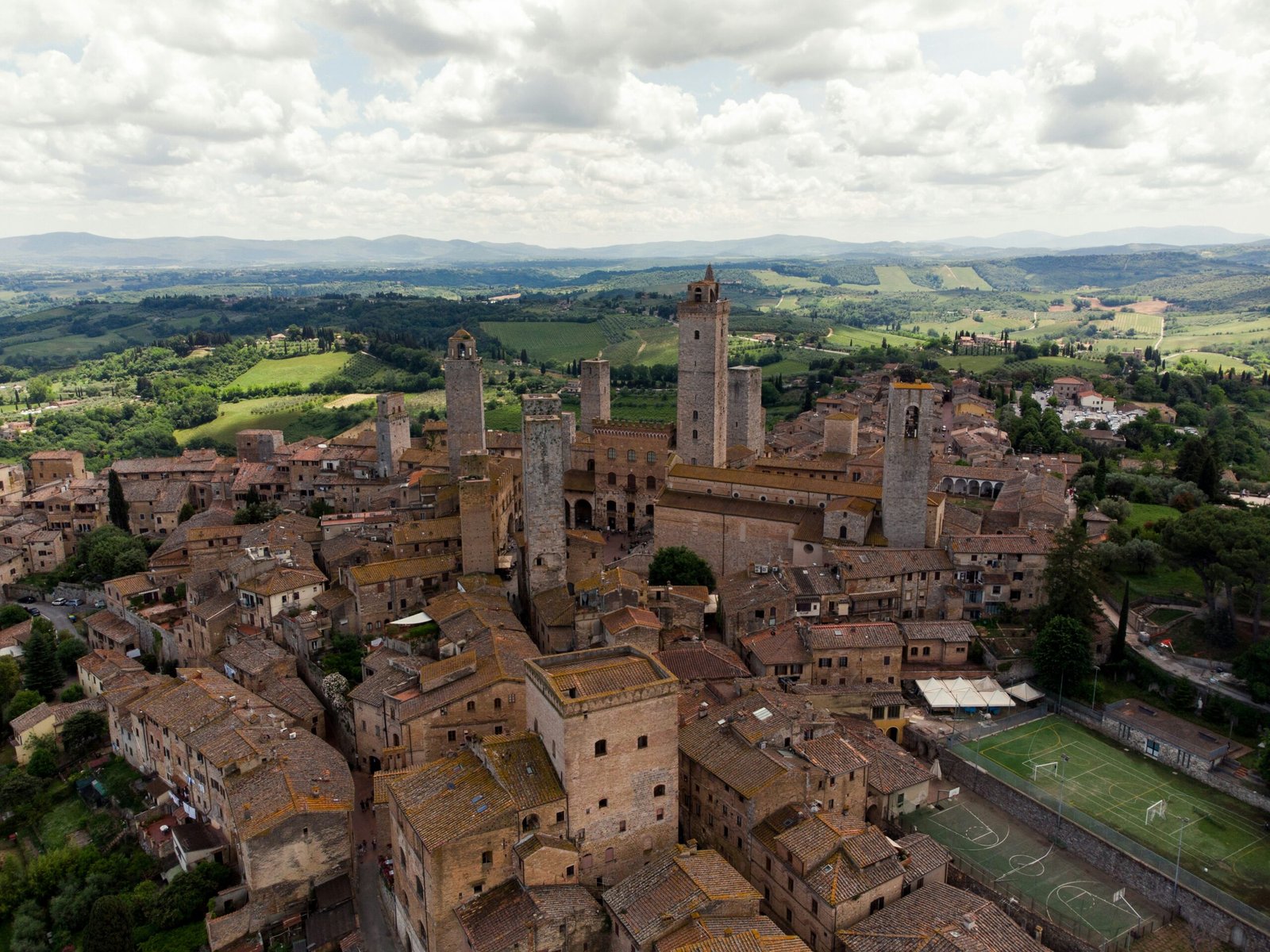
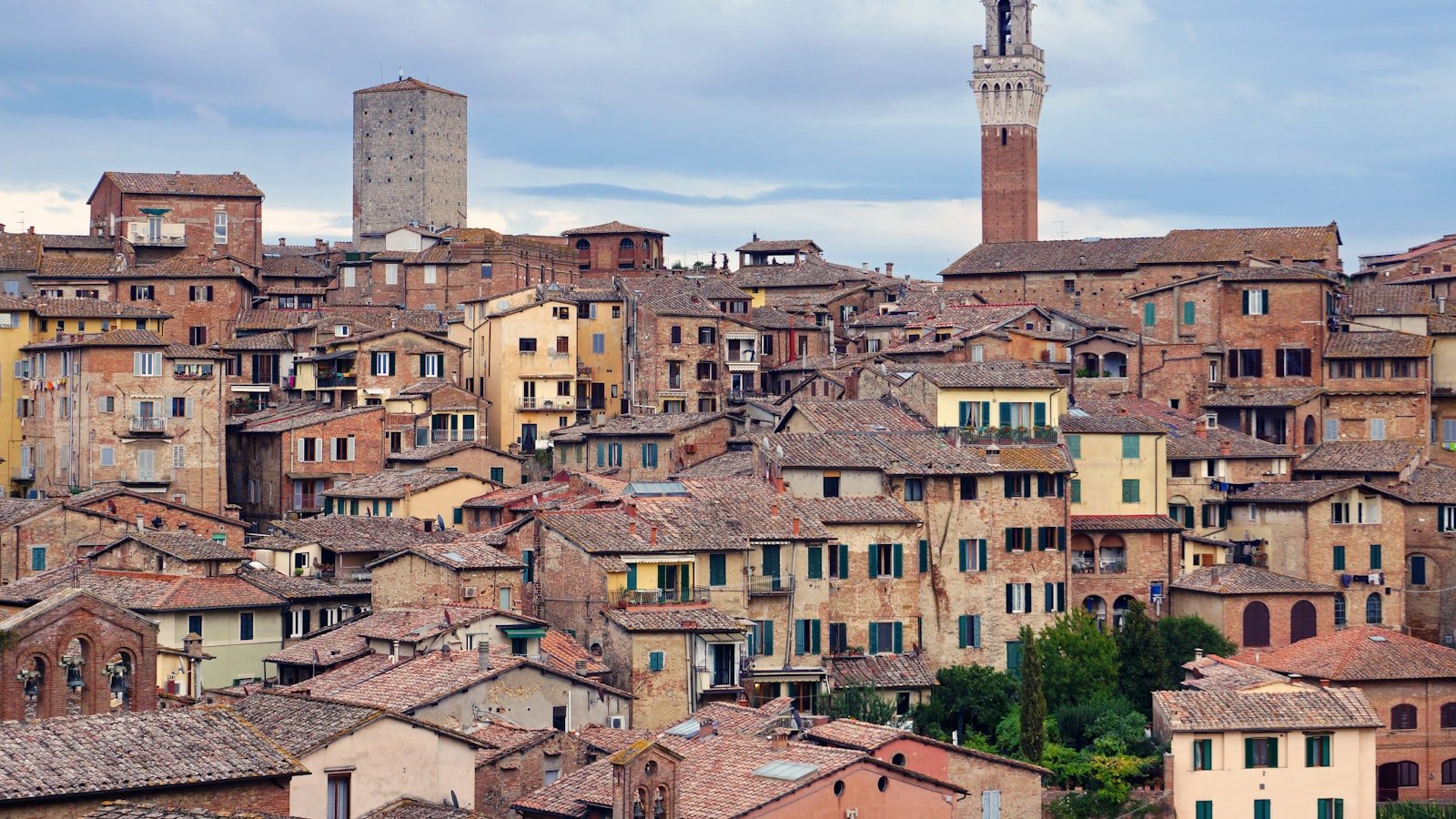
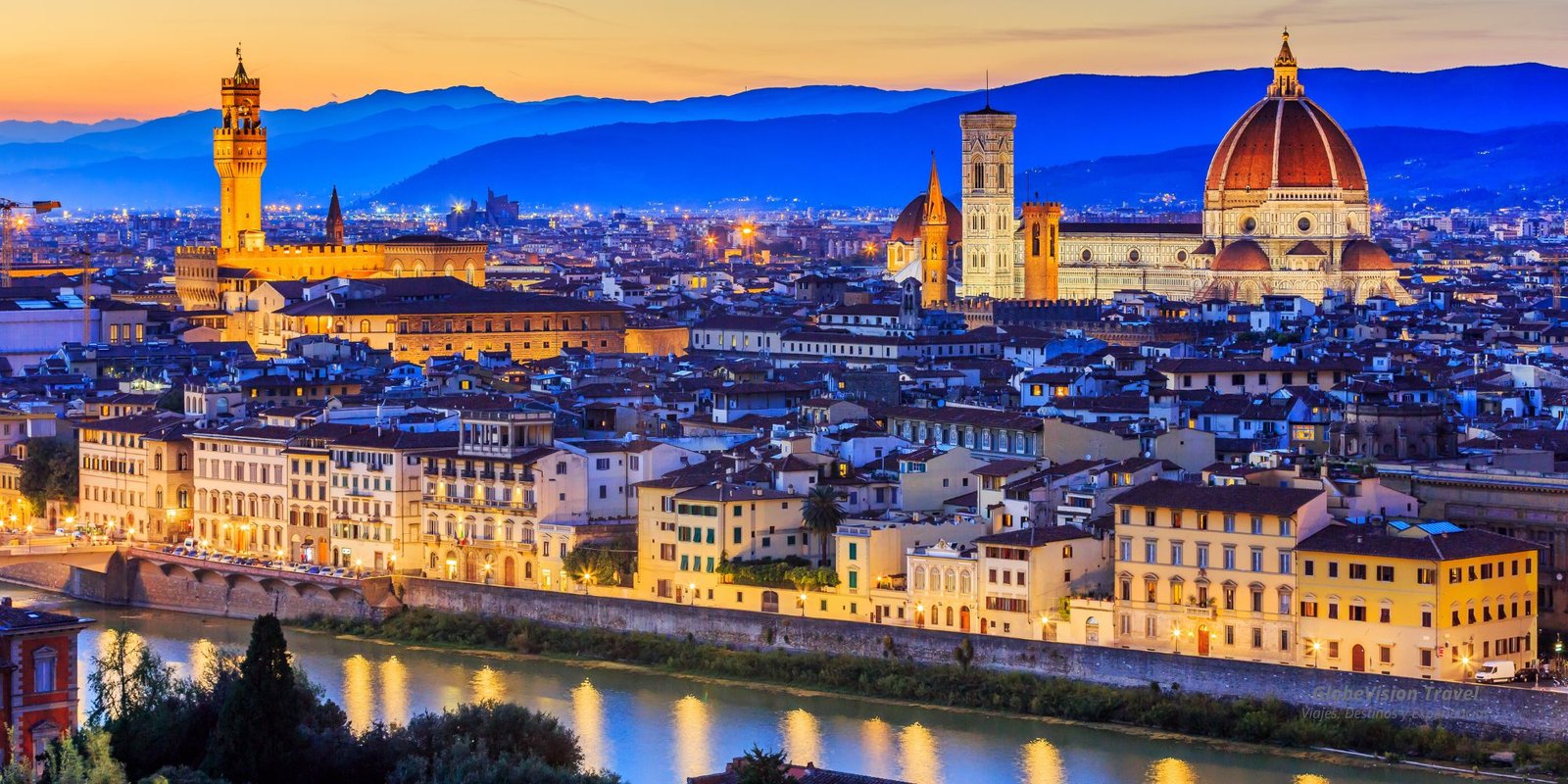
If Chianti is part of a broader Italy route, it should be integrated into a territorial strategy rather than treated as an isolated stop. The Italy travel architecture can help you decide whether to prioritize Tuscany, Central Italy, Siena, Florence or a slower countryside route.
GlobeVision™ — Strategic travel guide system
Analyze destinations from a territorial, logistical and operational perspective to make more efficient travel decisions. In regions like Chianti, choosing the right base, parking strategy and booking rhythm can save time, money and stress.
See travel strategies on GlobeVision🧭 GlobeVision™ Strategic Map
- Destination: Chianti
- Region: Tuscany
- Country: Italy
- Guide type: Logistics, car, parking, wineries and accommodation guide
- Connects with: Florence, Siena, Tuscany, Central Italy and wider Italy routes
This article is part of the GlobeVision™ editorial system, designed to analyze destinations from a logistical, territorial and strategic perspective.
Conclusion
Chianti works beautifully when you do not force it. Choose your base according to mobility and daily driving radius, use Panzano or Castellina if you want balanced access by car, and consider Greve if services and public transport matter more. Anchor your schedule around two guided tastings per day, leave 15–20 minutes of buffer between rural transfers, avoid ZTL areas, plan fuel and respect seasonal closures. With those decisions, the landscape stops being a logistical trap and becomes exactly what it should be: a calm, scenic and highly rewarding part of Tuscany.