
GlobeVision™ — Puglia logistics guide for choosing bases, renting a car, avoiding ZTL zones and parking with less friction

GlobeVision™ Strategic Index
Operational Summary of Puglia
5-7 days for a balanced trip; 8-10 days if you want Salento at a calmer pace.
Medium-high in shoulder season; high in July, August and summer weekends.
Medium-high: a car helps, but only if you plan parking, timing and ZTL access.
Regional road trips, white towns, beaches, strategic bases and block-by-block planning.
GlobeVision™ Indicators
Destination Snapshot
Introduction
Puglia by car depends on one decision before everything else: how many bases you choose and where you place them. Get that right and the trip feels smooth. Get it wrong and the route fills with repeated kilometres, difficult parking, ZTL zones, heat and unnecessary hotel changes.
Puglia looks simple on a map: Bari in the north, Lecce in the south, whitewashed towns in the middle and beaches on both coasts. That image is useful, but incomplete. The distances are not always huge; the friction is. Slow access roads, restricted historic centres, saturated parking, seasonal beach traffic and summer heat can make a short drive feel much longer than expected.
The challenge is not visiting Puglia. The challenge is visiting Puglia without turning every day into a chain of small logistical problems: where to park, which base to leave from, which coast to choose depending on wind, when to enter Alberobello, whether Bari should be only an arrival point, whether Lecce works for all of Salento and whether Gargano really fits your itinerary.
This guide is designed for practical decisions: choosing 1, 2 or 3 bases, understanding when a car is worth it, avoiding ZTL mistakes and building a route with real margins. It is especially useful if you are trying to balance Bari, Monopoli, Polignano a Mare, Alberobello, Ostuni, Lecce, Otranto, Gallipoli and the beaches without overloading the trip.
If you are building a wider route through southern Italy, also compare this plan with our Southern Italy logistics guide and the Italy destinations hub. For a more accommodation-focused decision, pair this article with our guide on where to stay in Puglia by days, season and transport.
Puglia practical data
€1.30-€3.50 depending on area and type of cafe
€18-€40 per person
€30-€70 depending on distance, city and time
€2-€8 for basic urban or regional trips
€90-€220 per person; more in August or with an expensive rental car
Two bases for most 7-8 day trips
Quick decision: how many bases should you use in Puglia?
| Available time | Recommended bases | Best area | What to avoid |
|---|---|---|---|
| 3-4 days | 1 base | Bari, Monopoli or Polignano | Driving down to Salento and back every day. |
| 5-6 days | 1 very strategic base or 2 light bases | Monopoli/Ostuni + possible Lecce | Adding Gargano, all of Salento and Valle d’Itria into one rushed route. |
| 7-8 days | 2 bases | Monopoli/Polignano/Ostuni + Lecce | Sleeping in Bari for the whole trip and doing long day trips. |
| 9-12 days | 2 or 3 bases | Central Puglia + Salento + optional Gargano | Changing hotels every night without a strong reason. |
Destination logic
Puglia becomes much easier when you stop reading it as a list of pretty towns and divide it into travel blocks. Each block has a different logic. Mixing too many of them in the same day is the source of most itinerary mistakes.
The first block is the Bari, Polignano a Mare and Monopoli axis. It is the easiest area for arrivals, partial train travel and the first nights of the trip. Bari works well as an entry point, Monopoli as a balanced base and Polignano as a high-impact visit, although it can be extremely busy in high season.
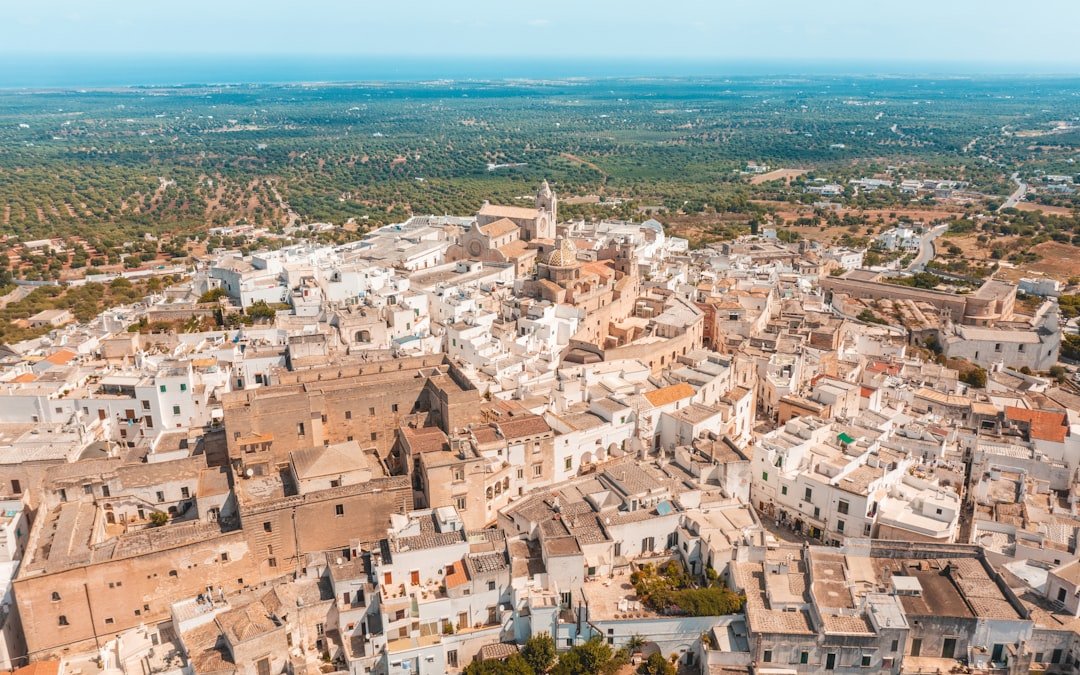
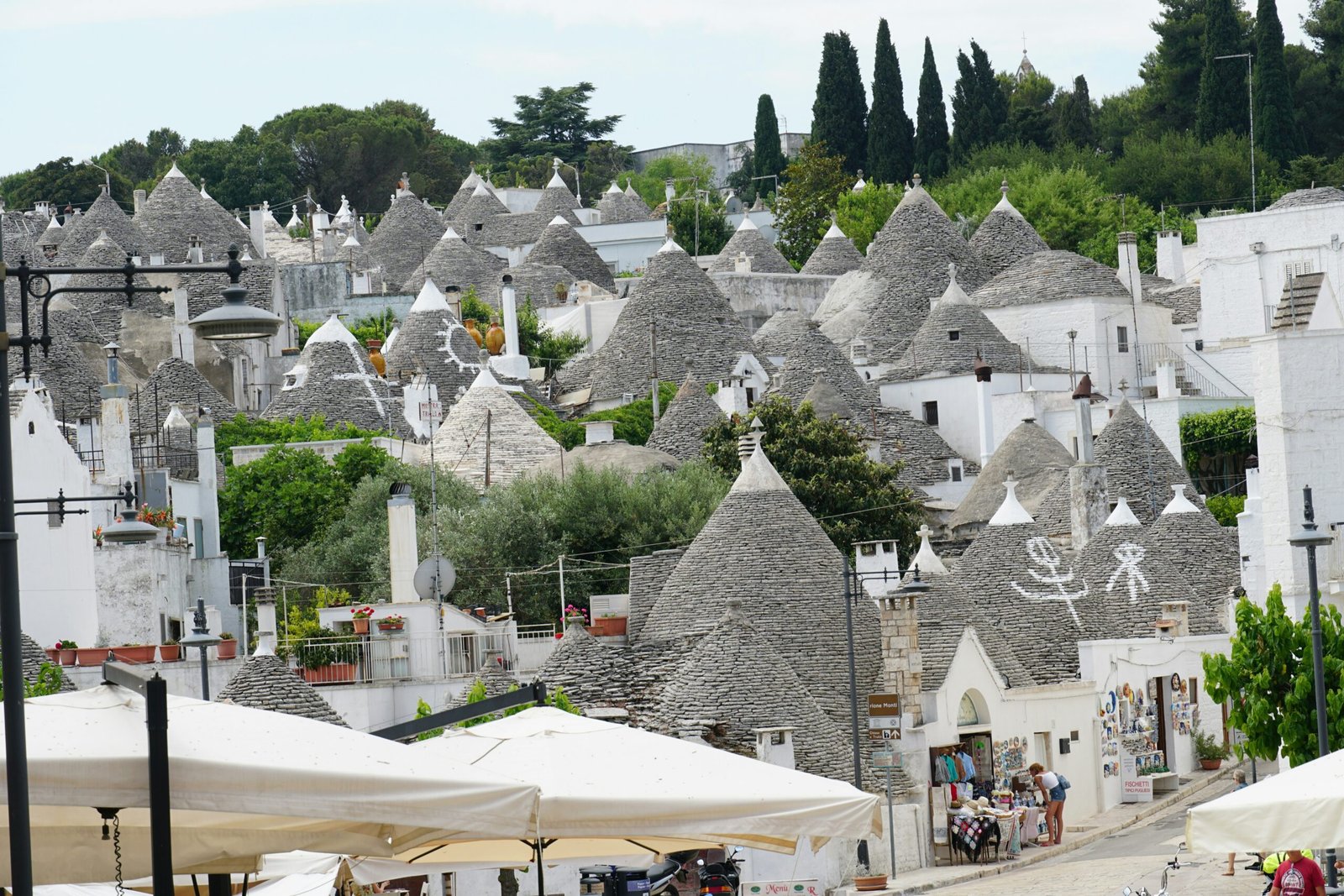
The second block is Valle d’Itria: Alberobello, Locorotondo, Martina Franca, Cisternino and Ostuni. Here the car becomes more valuable. Distances are short, but roads are slower and parking shapes the rhythm of the day.

The third block is Salento: Lecce, Otranto, Gallipoli, Torre dell’Orso, Porto Cesareo, Santa Maria di Leuca and the beaches between the Adriatic and Ionian coasts. Here distance alone is not enough. Wind, summer traffic and beach arrival time can change the whole day.
The fourth block is Gargano, with Vieste, Peschici and a more rugged coastline. It is beautiful, but it should not be added to a short trip. Gargano requires more days and more patience behind the wheel.
Main areas of Puglia and how to use them
| Area | Main places | Best use | Logistics risk |
|---|---|---|---|
| Central coast | Bari, Polignano, Monopoli | Arrival, first base, train-friendly days. | Crowds, parking and expensive stays in peak season. |
| Valle d’Itria | Alberobello, Locorotondo, Martina Franca, Ostuni | White towns, trulli, short drives. | ZTL, small parking areas and slow rural roads. |
| Salento | Lecce, Otranto, Gallipoli, beaches | Second base for longer trips. | Wind, beach traffic and long cross-peninsula drives. |
| Gargano | Vieste, Peschici, coastal roads | Add-on for 9-12 day trips. | Longer transfers and slower roads. |
How to get there

The most practical way to reach Puglia is usually to fly into Bari or Brindisi. Bari works better for the central coast, Polignano, Monopoli, Alberobello, Ostuni and Valle d’Itria. Brindisi is more convenient if your priority is Lecce, Otranto, Gallipoli or Salento.
If you are comparing flights to Bari, Brindisi, Naples or open-jaw combinations, you can check options on Kiwi. For a southern Italy route, it can sometimes make sense to enter through Bari and leave from Naples, or the other way around, especially if you combine Puglia with Campania, Pompeii or the Amalfi Coast.
Train travel is also solid for reaching Bari or Lecce from Rome, Naples or northern Italy. Inside Puglia, however, trains do not solve everything. They work well on the main coastal axis, but they are less useful for inner villages, masserie, small beaches and routes with several stops in one day.
Arrival options for a Puglia road trip
| Arrival | Best for | Suggested first base | Decision to make |
|---|---|---|---|
| Bari Airport | Central coast, Valle d’Itria, short trips. | Bari for late arrival, then Monopoli or Ostuni. | Do you need the car immediately or the next morning? |
| Brindisi Airport | Lecce, Salento, Otranto, Gallipoli. | Lecce or a Salento coast base. | Will your route focus on beaches or towns? |
| Train to Bari | Car-free start or one-night arrival. | Bari or Monopoli. | Where will you pick up the rental car? |
| Driving from Naples/Rome | Southern Italy road trips. | Central Puglia or Matera/Puglia combination. | Can you avoid arriving tired into a historic centre? |
For organized day trips, Alberobello visits, Valle d’Itria food experiences or tours from Bari and Lecce that reduce driving, compare options on GetYourGuide or Klook. You do not need to fill the trip with tours, but one well-chosen activity can solve a complicated driving day.
Where to stay
The right question is not “which is the prettiest town to sleep in?” The better question is: “which base reduces the most friction for my route?” In Puglia, a beautiful but badly placed base can force you to drive too much every day. A less photogenic but well-connected base can make the whole trip work better.
For most first-time visitors, the best structure is simple: one base in the central coast / Valle d’Itria area and one base in Lecce or Salento. Monopoli, Polignano, Ostuni and the surrounding countryside work well for the first half. Lecce works well for the second half because it lets you choose between the Adriatic and Ionian coasts depending on wind and daily plans.
Recommended bases in Puglia by trip type
| Base | Best for | Real advantage | Main risk | GlobeVision™ advice |
|---|---|---|---|---|
| Bari | Arrival, first night, trains and short escapes. | Air and rail connections. | Using it as the only base for everything. | Sleep here if you arrive late; collect the car the next day. |
| Monopoli | Balanced central coast and Valle d’Itria itinerary. | Good mix of beauty, food and logistics. | Prices and parking in high season. | Strong choice for the first 3-4 nights of a 7-day trip. |
| Polignano a Mare | Travellers prioritizing views and visual impact. | Very photogenic and well located. | Crowds, cost and parking. | Better outside August or for a short stay. |
| Ostuni | White towns, Valle d’Itria and an inland atmosphere. | Characterful base with good reach. | Steep streets, access and parking. | Book accommodation with parking confirmed in writing. |
| Lecce | Salento, dinners, Baroque architecture, Otranto and Gallipoli. | The most flexible southern base. | Not directly on the beach. | Very strong for 3-4 nights if you want to explore the south. |
| Otranto / Gallipoli | Beach-focused trips. | More direct seaside experience. | Less flexible for reaching the opposite coast. | Choose Otranto for the Adriatic; Gallipoli for the Ionian and sunsets. |

Plan your Puglia route with logic, not improvisation
If you are unsure how many bases to use, where to sleep, when to rent the car, how to avoid ZTL zones or how to combine Bari, Monopoli, Valle d’Itria, Lecce and Salento, the GlobeVision planner helps you build a more realistic first itinerary.
- ✓ Decisions on bases, car rental and transport by available days.
- ✓ Priorities to avoid ZTL mistakes, parking friction and repeated drives.
- ✓ Premium PDF option with route, budget, checklist and key mistakes to avoid.
How to choose your base
If you have 4 or 5 days, avoid fragmenting the itinerary too much. One base in Bari, Monopoli, Polignano or Ostuni can work if you focus on the central coast and Valle d’Itria. Lecce can be a one-off day trip, but driving down and back repeatedly is inefficient.
If you have 6-8 days, two bases are usually the cleanest structure: one around Monopoli/Polignano/Ostuni and one in Lecce. This reduces repeated kilometres and gives each travel block enough time.
If you have 9-12 days, a third base can make sense in Gargano or on a specific Salento coast. But that third base must add real value. Changing hotels for the sake of changing hotels makes the trip more expensive and drains energy.
If you travel without a car, prioritize Bari or Lecce. From there you can use trains, buses and selected organized tours. Avoid sleeping in villages with weak connections, especially if you arrive late or travel outside the main season.
If you travel in August, simplify. Use no more than two bases, book accommodation with clear parking, avoid famous towns between 10:30 and 13:00 and choose beaches early according to wind. August in Puglia punishes improvisation.

Recommended route by days
A strong Puglia itinerary does not need to see everything. It needs to order the effort well. For most travellers, the most balanced version is a 7-day route with two bases: central coast / Valle d’Itria and Lecce / Salento.
Recommended 7-day Puglia itinerary
| Day | Base | Main plan | Logistics key |
|---|---|---|---|
| Day 1 | Bari or Monopoli | Arrival, Bari Vecchia or calm transfer to the central coast. | If you arrive late, sleep in Bari and pick up the car the next day. |
| Day 2 | Monopoli / Polignano | Polignano a Mare + Monopoli. | Reach Polignano early or leave it for late afternoon. |
| Day 3 | Monopoli / Ostuni | Alberobello + Locorotondo + Martina Franca. | Do not add five villages in one hot day. |
| Day 4 | Ostuni / Lecce | Ostuni in the morning and transfer to Lecce. | Use the base change as part of the route, not as wasted time. |
| Day 5 | Lecce | Lecce + slow afternoon or nearby beach. | Do not take the car into the historic centre. |
| Day 6 | Lecce | Otranto + Adriatic coast or beaches depending on wind. | Choose the coast at 08:00 based on conditions, not saved photos. |
| Day 7 | Lecce / Brindisi / Bari | Gallipoli, Ionian coast or return. | Do not book an early Bari flight if you sleep in Salento. |
If you continue from Puglia toward Campania, Pompeii or Naples, avoid improvising that transfer on the last day. Read the guide to visiting Pompeii by car, tickets, parking and entrance gates, because the common mistake there is not only buying tickets late, but also arriving at the wrong access point or wasting time looking for parking.
Practical travel tips
Start with bases, not photos. If you choose where to sleep well, almost everything improves: less driving, better dinners, fewer parking problems, less fatigue and more useful time.
Pick up the car when you actually need it. If you arrive in Bari and spend the first night in the city, it is often better to collect the rental car the next day. This avoids urban parking and driving tired.
Install parking apps and carry coins. In Monopoli, Polignano, Ostuni, Alberobello, Lecce, Otranto and Gallipoli, parking can define the mood of the day. Having apps, coins and backup parking points saved reduces wasted loops.
Check the wind in Salento. The Adriatic and Ionian sides do not behave the same way. Decide the coast early so you do not cross the peninsula at the worst time of the morning.
Book key meals. You do not need to reserve every meal, but you should book sensitive days: Alberobello, Polignano, Lecce on weekends, Otranto or Gallipoli in summer.
Keep mobile data reliable. For parking, maps, reservations, beach changes, tickets and messages with accommodation, depending on Wi-Fi is not enough. If you travel from outside the European Union or want to avoid roaming issues, check eSIM options on Airalo.
Protect the trip if you combine flights, car and several bases. Puglia often involves chained bookings: flights, rental car, hotels, activities and possibly other regions. If you come from outside Europe or plan a longer route, compare coverage on VisitorsCoverage.
Micro-decisions that save time in Puglia
| Situation | Smart decision | Time you can save |
|---|---|---|
| Late arrival in Bari | Sleep in Bari or near the airport and collect the car the next day. | 30-60 min of night-time stress. |
| Polignano in summer | Arrive before 10:15 or go late afternoon. | 20-40 min looking for parking. |
| Alberobello | Visit early or at sunset, not at peak time. | 30 min of queues, heat and crowds. |
| Lecce + beach | Choose the coast based on wind before leaving. | 40-70 min of wrong transfer. |
| Historic centre with ZTL | Navigate to the parking, not to the hotel’s postal address. | Fines and unnecessary manoeuvres. |
Food costs in Puglia
| Type | Indicative price | Practical advice |
|---|---|---|
| Coffee / simple breakfast | €1.30-€7 | Standing at the bar usually costs less than sitting in tourist areas. |
| Informal meal | €12-€22 | Focaccia, panzerotti, simple pasta or quick plates work well on driving days. |
| Mid-range restaurant | €25-€45 per person | Book in famous towns and avoid peak hours if you are driving. |
| Special dinner | €45-€80 per person | Best in Lecce, Monopoli or Ostuni if you sleep nearby and do not need to drive after. |
Common mistakes and what not to do
1. Using Bari as the only base for everything
Bari is useful, but it should not drag the whole itinerary. If you visit Polignano, Alberobello, Ostuni, Lecce, Otranto and Gallipoli from Bari, you will repeat kilometres and lose rhythm. For 6-8 days, the cleanest structure is usually central coast + Lecce.
2. Trusting map times too much
A drive that looks like 35 minutes can become almost an hour when you add leaving the accommodation, roundabouts, parking, one-way streets and walking to the centre. In summer and on weekends, add a realistic margin.
3. Entering historic centres without checking ZTL
Do not follow the GPS to the hotel door if the accommodation is in an old centre. Ask for exact parking coordinates, confirm whether the hotel registers plates and avoid restricted areas unless you have written instructions.
4. Arriving in Alberobello at peak time
Alberobello feels very different at 11:30 in August than early morning or near sunset. If you include it, give it a smart time window. For more detail, read the guide to Alberobello, trulli stays and avoiding ZTL mistakes.
5. Choosing a beach only from Instagram
In Salento, a stunning beach can be uncomfortable if the wind is wrong. Before leaving Lecce, check orientation and conditions. Changing coast late can cost more than an hour.
6. Renting a car that is too large
A large SUV may feel comfortable on paper, but narrow village streets, small parking spots and rural access roads can make it a poor choice. A compact car with parking sensors is often more practical in Puglia.
7. Changing hotels too often
Every hotel change costs energy: check-out, luggage, parking, check-in, adaptation and lost margin. Two well-chosen bases are usually better than four “perfect” but exhausting bases.

Safety recommendations
Puglia is a safe region for travellers, but it requires practical attention. The most common risks are not usually serious: ZTL fines, small thefts in crowded areas, rental car scratches, heat, rocky beaches and accumulated fatigue from driving too much.
In stations and busy areas such as Bari Centrale, keep luggage in front of you, avoid checking your phone distractedly at entrances and keep cash/cards split. This is not about fear. It is about not creating easy opportunities.
On rocky beaches, especially near Otranto and the Adriatic coves, bring water shoes. Many places are beautiful but slippery. A cut or fall can turn a perfect afternoon into an unnecessary medical stop.
On secondary roads, especially in Valle d’Itria, slow down before blind curves, respect cyclists and do not follow narrow rural shortcuts just because the GPS suggests them. Dry-stone walls, tractors and masseria entrances can complicate manoeuvres with larger cars.
With a rental car, take photos and videos before driving away: bodywork, wheels, windows, interior and fuel level. Repeat the process when returning the car. This habit can prevent disputes and extra charges.
Frequently asked questions
How many bases should I use for a 7-day trip to Puglia?
For 7 days, two bases usually work best: 3-4 nights around Monopoli, Polignano or Ostuni for the central coast and Valle d’Itria, and 3-4 nights in Lecce for Otranto, Gallipoli and Salento. This reduces repeated kilometres and avoids a third unnecessary check-in.
Do I need to rent a car in Puglia?
It is not strictly required, but a car expands the trip significantly, especially in Valle d’Itria and Salento. Without a car, use Bari or Lecce as bases and combine trains, buses and selected tours. Expect more margins because regional transport does not always fit ambitious itineraries.
Which months reduce traffic without losing good weather?
May, June, late September and the first half of October usually offer the best balance: less traffic than August, more comfortable temperatures and more reasonable prices. July and August have more atmosphere, but also more crowds, harder parking and more expensive accommodation.
Where should I sleep the first night if I land late in Bari?
If you land after 21:00, the most practical solution is to sleep in Bari or near the airport. This avoids driving tired, looking for parking at night or entering ZTL areas without knowing them. The next day you can pick up the car and start toward Monopoli, Ostuni or Valle d’Itria with daylight and margin.
How should I combine Lecce with a beach day?
Check wind in the morning and choose the coast before leaving. You can do beach time from 09:30 to 13:00, return for shower and rest, and dedicate late afternoon to Lecce from around 17:00 to 20:00. This structure avoids the harshest sun and improves both the coast and city experience.
Does Gargano fit into a short 5-day Puglia trip?
Usually no. Gargano is beautiful, but it requires longer transfers and slower roads. In 5 days it is better to focus on the central coast, Valle d’Itria and a limited entry into Salento. Gargano works better in trips of 9 days or more.
How do I manage ZTL zones in historic towns?
Always ask the accommodation for exact instructions: access map, ZTL hours, recommended parking and whether they register your plate. Navigate to the parking, not to the hotel postal address. If in doubt, park outside the centre and walk.
What car size is best for Valle d’Itria villages?
A compact or medium car with parking sensors is the most practical option. Avoid very large cars if you will enter villages, small parking lots or rural roads. In Puglia, a smaller car can be a real logistics advantage.
Should I book restaurants in advance?
In high season, book at least the main lunches or dinners, especially in Polignano, Monopoli, Ostuni, Lecce, Otranto and Gallipoli. In low season, check opening days because some restaurants close on specific weekdays or reduce service.
Explore related guides
GlobeVision™ — Strategic travel guide system
We analyze destinations from a territorial, logistical and operational perspective so you can make better travel decisions.
See GlobeVision travel strategiesGlobeVision™ Strategic Map
- Destination: Puglia
- Country: Italy
- Guide type: Logistics guide
- Main decision: bases, car rental, transport, ZTL and parking
This article is part of the GlobeVision™ editorial system, designed to analyze destinations from a logistical, territorial and strategic perspective.
Conclusion
Puglia is easier to enjoy when it is planned as a region of travel radiuses, not as a collection of beautiful places. The central decision is simple: 1 base for short trips, 2 bases for 6-8 day itineraries and 3 bases only when the trip is long enough to include Gargano or a very specific Salento coast.
The car helps a lot, but it does not fix a badly designed itinerary. Before booking, decide where you will sleep, which days you will move, which towns belong together, where ZTL zones apply, when you should arrive at each place and whether your accommodation has real parking. That preparation is the difference between a rich but pleasant Puglia trip and a beautiful but exhausting one.
The most balanced structure for most travellers is clear: first part around Bari, Monopoli, Polignano, Alberobello, Locorotondo and Ostuni; second part based in Lecce for Otranto, Gallipoli and Salento. With that logic, the region opens up better, transfers make sense and every day gains useful time.