
Siena logistics guide: optimize time, movement, and costs.
Introduction
Siena is a compact city with a medieval heart that requires precise logistical decisions: narrow pedestrian streets, limited traffic zones (ZTL), strict shop and church schedules, and train stations located 10–20 minutes on foot from the historic center. This guide is not a romantic description; it is an operational manual designed to reduce real friction: wasting less time looking for parking, avoiding fines for entering the ZTL, and turning 90 minutes of waiting into 20 minutes of effective use. In the following sections, you will find points of interest prioritized by efficiency, arrival routes with real travel times in minutes, accommodation recommendations that minimize transfers longer than 1.5 km, food options with price ranges, and comparison tables. Each recommendation includes a micro-scene — a traveler facing a concrete decision — and measurable figures (minutes, euros, meters) to help you anticipate consequences. For example, arriving 5 minutes late to a tour may cost €15–25 in cancellation fees or require an additional 40–60 minute wait for the next slot. Applying these guidelines saves you quantifiable mistakes: waiting time, walked kilometers, and unnecessary extra costs. Follow the logical sequence established here: understand where to go first, how to get there, where to stay, and where to eat before adjusting practical details and avoiding common mistakes.
Best Places to Visit
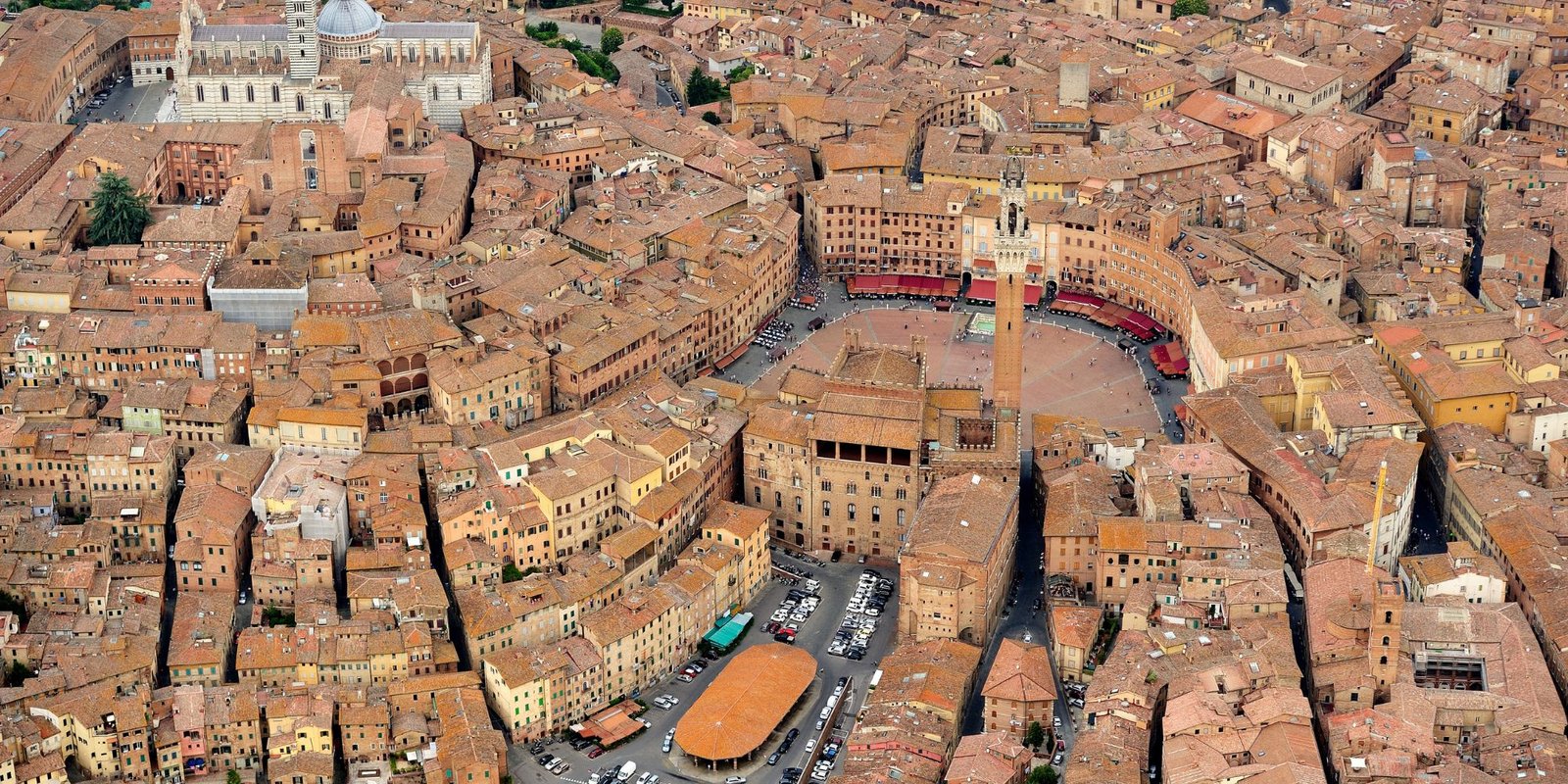
Prioritized by territorial efficiency: Piazza del Campo (60–90 minutes), Siena Cathedral (60 minutes, book ahead to save 20–30 minutes), Museo dell’Opera (45–60 minutes), Torre del Mangia (20-minute climb, timed-entry booking recommended), Baptistery (30 minutes), Santa Maria della Scala (45 minutes), and via Banchi di Sopra for accommodation logistics and quick shopping errands (20–30 minutes for 1–2 tasks). This selection prioritizes keeping distances between points under 700 meters whenever possible and minimizing repeated routes.
🎟️ Lock Siena’s key timed entries before the day loses rhythm
Tickets & accessIn Siena, places like the Cathedral or Torre del Mangia work much better with reserved access. Booking ahead helps reduce queue pressure, protect your visit sequence, and avoid losing 40–60 minutes of usable time in the middle of the day.
Check tickets and timed-entry options
How to Get There
Efficient options: from Siena train station (Stazione di Siena) to the historic center, you can walk 10–15 minutes via Roma or take the local urban TPL bus with a frequency of every 15–20 minutes, which drops you at Piazza Gramsci. Driving from the A1 motorway (Bettolle exit) usually takes 45–60 minutes if traffic is light. From Florence: regional train in 70–80 minutes or car in 70–90 minutes depending on the time of day. Consider a shared transfer if you are traveling with heavy luggage — the typical cost is €20–35 and it can save 20–30 minutes of driving and parking searches.
🚐 Simplify arrival into Siena when luggage and timing matter
TransfersSiena is compact, but the final access is not always frictionless. If you arrive with luggage, a tight schedule, or a same-day connection from Florence or the station, a pre-booked transfer can reduce walking, parking stress, and wasted repositioning time.
Check transfer options for Siena| Options for Getting to Siena | Duration | Estimated Cost | Comfort | When to Choose It |
|---|---|---|---|---|
| International / domestic flight | Varies by origin | €180–300 | High | Main access route |
| High-speed train | Fast | €42–70 | High | Best balance between time and price |
| Local public transport | Varies | €1–3 per trip | Medium | Ideal within the destination |
| Private transfer / taxi | Fast | €18–30 | High | Recommended when traveling with luggage |

Where to Stay
Efficiency-based strategy: staying inside the historic center or within 700–900 meters of Piazza del Campo reduces walking transfers to 5–12 minutes. Options include: the old town (0–10 minutes on foot), Campo / Contrada area (5–10 minutes), and station / Porta Ovile zone (10–20 minutes, better if you arrive late or have an early train). If you want to save money and keep walking under 2 km, consider neighborhoods outside the walls with night bus service and cheaper parking (around €10–15 per night). Prioritize accommodations with luggage storage available until at least 20:00 if you fly in or arrive after 18:00.

Where to Eat
Operational reading: focus on restaurants that accept reservations in 30-minute windows for groups and offer quick access to local menus. Typical price range: budget menu €10–15, mid-range menu €20–35, tasting menu €45+. To reduce waiting times, prioritize places with online reservations and takeaway options for eating in parks or in Piazza del Campo (service time 10–20 minutes). Avoid restaurants without a visible menu if you only have 30 minutes to eat before a tour — this can easily add 20–40 extra minutes.
| Type of Area in Siena | Average Price per Person | Peak-Hour Risk | Recommended Strategy |
|---|---|---|---|
| Central tourist area | €15–25 | High | Book ahead or avoid 13:00–15:00 |
| Local neighborhoods | €12–20 | Medium | Best value for money |
| Quick options | €8–13 | Low | Perfect if you are optimizing time |
Practical Travel Tips
Tip 1: Manage the ZTL in advance. Before driving into the center, confirm with your accommodation whether they can register your plate in the ZTL system to help you avoid fines. Scene: you arrive by car at 18:10, the receptionist registers your plate in 3 minutes, and saves you from an approximately €85 fine if a camera detects you at 18:12. Consequence: 5 minutes invested now save €85 and 30–60 minutes of later paperwork.
Tip 2: Book the Cathedral and Torre del Mangia in time slots. Buy ahead and choose a specific slot; if you arrive without a reservation, you may wait 40–60 minutes or miss the visit entirely. Micro-scene: you arrive at 11:00 without a booking and they offer the next free slot at 12:15; booking online for €3–6 allows you to enter at 11:15 and save 45 minutes of waiting, optimizing the rest of the morning for another museum.
Tip 3: Plan meals outside peak hours (13:00–15:00 and 19:30–21:30). Eating at 12:00 or 18:00 reduces average waiting time from 25–45 minutes to just 5–15 minutes. Micro-scene: you choose to eat at 12:00 in a trattoria near the Cathedral and get served in 12 minutes instead of waiting 30 minutes, which allows you to add a short 30-minute visit to Santa Maria della Scala that same afternoon.
Tip 4: Use the station as a logistical redistribution point. If you arrive with luggage, plan to leave 1–2 bags in storage or at a nearby accommodation; walking 10–15 minutes without luggage reduces fatigue and lets you fit 3 visits into one morning instead of 2. Micro-scene: after leaving luggage in storage for €5–8, you walk 12 minutes to Piazza del Campo and complete 3 points of interest before lunch, saving yourself a 30-minute return transfer.
Tip 5: If driving, park at Ospedale or in lots outside the walls with a daily rate of €10–15 and walk 10–20 minutes. Scene: you arrive at 09:30 and choose a €12/day parking lot 18 minutes away on foot, which avoids searching for parking inside the center and reduces the risk of a ZTL fine. Result: 20 minutes of walking at the start and zero fines, compared to 30–50 minutes of searching inside the center.
Tip 6: Divide the city into priority rings: core (0–500 m), inner perimeter (500–1,000 m), outer perimeter (>1,000 m). Schedule the morning for the core (90–120 minutes total) and the afternoon for peripheral points. Micro-scene: you start at 09:00 in the core, spend 90 minutes on the Cathedral and Museum, and by 11:00 you are already 800 m away for lunch and then ready to resume peripheral visits, reducing unnecessary movement by 1–2 km.
Tip 7: Wear footwear validated for medieval stone (minimum sole thickness 5 mm) and carry a light foldable bag. Scene: at 10:30 you walk through cobbled contrade for 35 minutes; the right shoes reduce fatigue and prevent an additional 20–30 minutes of rest or unplanned purchases to replace footwear.
Tip 8: Buy the Siena Card or combined passes if you plan to enter 3 or more attractions in 48 hours — cost cutoff: you normally recover the pass cost with 3 admissions (average price per attraction €8–12). Scene: you pay €25 for a two-day pass and enter the Cathedral, Museum, and Tower over 1.5 days; without the pass you would have spent €30–36 and lost 20 more minutes in individual lines.
Tip 9: Organize deliveries or large purchases outside the 10:00–12:00 and 17:00–19:00 windows to avoid queues in stores and post offices; waiting times may vary from 10 to 45 minutes. Micro-scene: you leave a visit at 11:15 and mail a package in 8 minutes because you avoid the midday slot at the post office, saving 25–35 minutes compared with peak time.
Tip 10: If you need a pharmacy or medical help, identify 1–2 points within an 800-meter radius and note them down. Scene: at 15:30 you suffer a minor cut; you find the nearest pharmacy in 6 minutes and solve the issue with €4–8 in supplies, instead of traveling 25–30 minutes to a facility outside the walls.
Tip 11: Plan your return to the station with a 30–40 minute buffer if you are taking regional trains; ticket office lines or ticket purchases can add 10–20 minutes. Micro-scene: you decide to leave your last visit 40 minutes before your train departs and use 25 minutes to walk and buy water, making sure you do not miss the train because of an unexpected queue.
Tip 12: Always carry small cash bills (€5–€20) in case a trattoria or shop does not accept cards; keeping €40–60 in cash reduces the risk of being unable to pay for a quick service. Scene: you pay €9 for coffee and a snack in cash and avoid a 15–25 minute delay looking for an ATM or a shop that accepts cards.
Tip 13: If you plan visits related to Contrade (events and smaller museums), check schedules and days carefully — many contrade close for 1–2 hours at midday; allocate 60–90 minutes for these visits and avoid two failed attempts that can add 40–80 lost minutes. Scene: you confirm by phone at 09:00 and enter an exhibition at 10:30 without an unexpected closure, optimizing the morning and preserving the afternoon slot for the Cathedral.
Tip 14: If you depend on GPS, combine it with offline maps and lightweight files; a 10–15 minute signal loss in small alleys can translate into 400–800 extra meters walked. Micro-scene: when GPS fails at 16:20, the offline map reorients you in 2 minutes, avoiding 20 minutes of searching and 900 extra meters of uphill walking.
Common Mistakes and What NOT to Do
Mistake 1: Driving into the center without checking the ZTL. Description: entering the ZTL by mistake can trigger an automatic fine of around €80–100 plus administrative charges; it can also require 30–90 minutes of management if you need to appeal. Micro-scene: a new driver arrives at 19:05 and crosses the access point without permission; three days later, they receive a notice and must spend 45–60 minutes appealing or paying, plus the €85 outlay, which exceeds the cost of parking for two days.
Mistake 2: Not booking the Cathedral or Torre del Mangia in high season. Description: arriving without a reservation leads to 40–75 minute waits or loss of access; some slots fill up 2–3 days in advance. Micro-scene: you try to enter at 11:00 and they tell you the next available slot is at 13:00; you lose 120 minutes of your original plan and may need to pay for another activity to fill the morning.
Mistake 3: Staying too far away without checking night transport. Description: choosing accommodation more than 2 km away without a night bus can result in a €15–30 nighttime taxi that cancels out the accommodation savings. Micro-scene: you return from dinner at 23:30 and the bus is no longer running; you pay €22 for a taxi, which is more than you would have saved by staying farther out, and lose an extra 10–15 minutes coordinating the return.
Mistake 4: Not carrying cash for small expenses. Description: some trattorias and shops only accept cash; not having small bills forces you to look for an ATM and can add 15–30 minutes and €2–5 in fees. Micro-scene: you try to pay €12 by card and they tell you the machine is not working; you walk to an ATM 6 minutes away and lose 20 minutes plus a €2 fee, increasing the real cost of the meal.
Mistake 5: Relying only on taxis for short distances. Description: taking taxis for stretches of 800–1,500 meters can cost €6–12 and is often slower than walking through the center because of narrow streets; limited access points also mean a final walk anyway. Micro-scene: you take a taxi for a 900-meter trip and pay €9; after getting out you still walk 200 meters because the car cannot get closer, so the effort saved is minimal and costs more than walking.
Mistake 6: Planning too many visits in the morning without a 30–40 minute buffer. Description: failing to include margins causes missed bookings, queues, and stress; a 30-minute buffer reduces the risk of losing connections and improves the overall experience. Micro-scene: you scheduled visits at 09:00, 10:00, and 11:00; the first one runs 25 minutes late, you miss the second slot, and then have to wait 50 minutes until the next availability.
Mistake 7: Ignoring the Contrade events calendar. Description: during local events, many streets close and museums change schedules; this can force 15–35 minute detours or canceled visits. Micro-scene: you arrive at a planned contrada at 16:00 and find the doors closed for preparations; you must walk 20 minutes to an alternative, losing the planned visit and adding 25–40 extra minutes.
Mistake 8: Not checking shop and service opening hours (midday and Sunday). Description: shops and offices close for 1–2 hours at midday and many are closed on Sundays; trying to run errands without checking times adds 30–60 minutes of waiting or extra trips. Micro-scene: you try to buy souvenirs at 13:00 on a Sunday and find everything closed; you return at 16:00 and spend another 30 minutes in extra movement plus €10–20 in transport if you are far away.
Mistake 9: Not anticipating queues at popular restaurants without a reservation. Description: showing up without a booking between 20:00 and 21:00 can mean a 30–60 minute wait or being turned away; for groups of 4 or more, the wait may increase by another 20–40 minutes. Micro-scene: you and three companions wait 45 minutes for a table; that time could have been used for a short visit worth €10–15 in opportunity cost.
Mistake 10: Underestimating fatigue from cobblestones and slopes. Description: planning long routes without accounting for topography increases rest stops and reduces efficiency; a 1.5 km uphill route may require 20–30 extra minutes compared with flat ground. Micro-scene: you choose a shortcut that climbs 1.2 km steeply and end up needing a 20-minute rest and a drink, altering the sequence of planned visits.
Mistake 11: Not checking the validity of a regional train ticket (validation / stamping). Description: some trains require you to validate the ticket in a machine before boarding; failing to do so can result in a €30–50 fine or loss of service. Micro-scene: you board a regional train without validating, an inspector appears 12 minutes later, and you are fined €40; validating the ticket would have taken 15 seconds and avoided both the sanction and 30 minutes of later discussion.
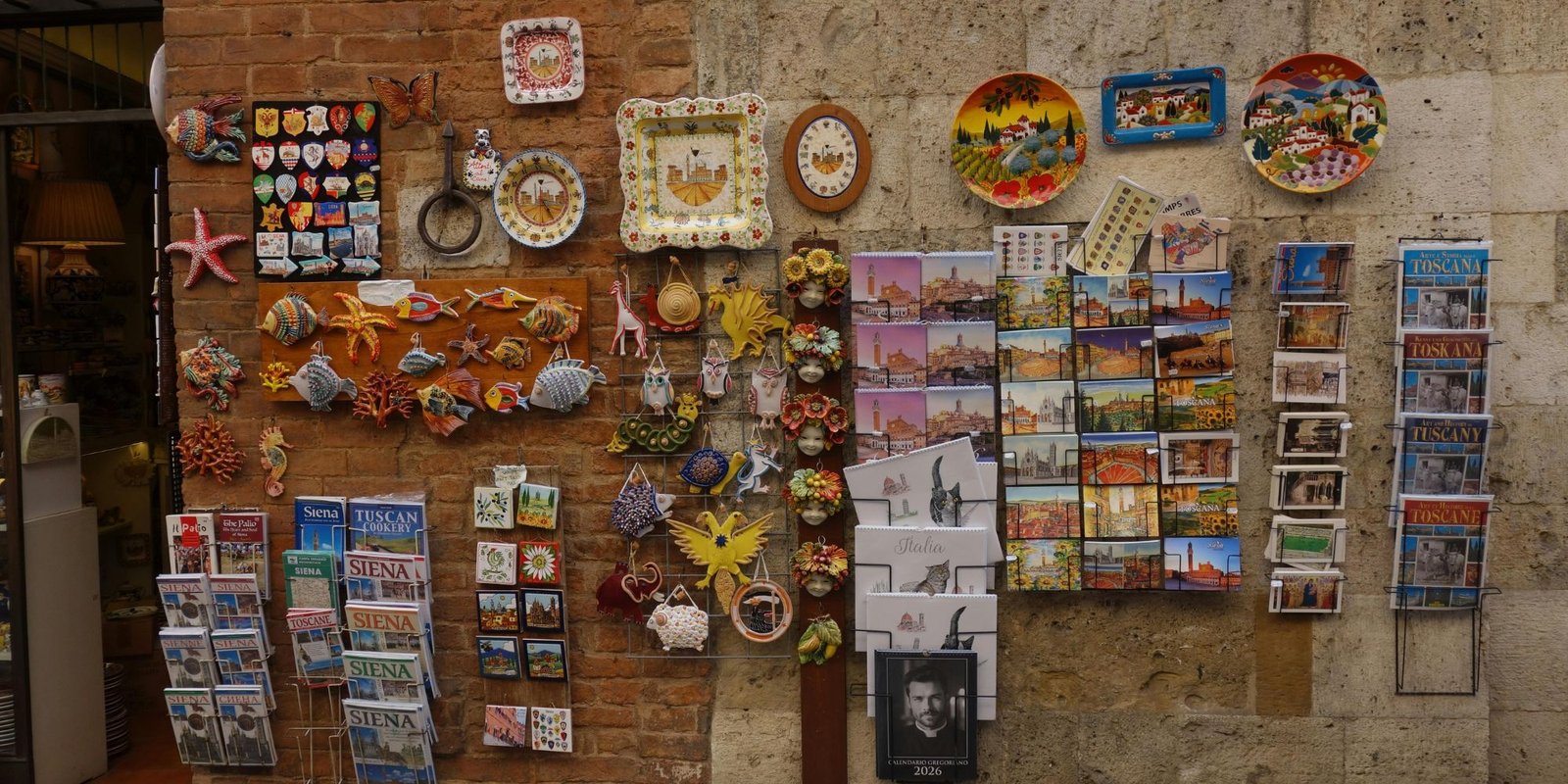
Mistake 12: Buying bulky souvenirs without a transport plan. Description: purchasing large items may force you to pay for additional transport or leave items behind; domestic shipping can cost €20–40 and take 3–7 days. Micro-scene: you buy a ceramic piece and then discover it does not fit in your backpack; paying €32 for urgent shipping and spending 20 minutes at the post office cancels any advantage of the local price.
Safety and Recommendations
In realistic terms: Siena is safe, but prevention reduces time losses. Keep documents in front pockets, avoid leaving visible objects inside parked cars (average theft loss in careless parking areas can mean €100–300 in potential damage), and register your license plate if your accommodation handles ZTL access. In case of emergencies, identify the nearest police station and 1–2 pharmacies within an 800-meter radius. Carry both digital and physical copies of your documents and reserve 30–45 minutes for any administrative process after an incident. Avoid accepting persistent offers from unofficial guides if you already have a timed official tour; the alternative can add 15–40 minutes and exceed the cost of the official experience.
🛡️ Protect the trip against delays, fines, and unexpected disruption
Risk controlIn a destination like Siena, even small operational issues — missed slots, minor incidents, document loss, or transport disruption — can break the whole structure of the day. A solid insurance layer helps reduce the financial impact when the route stops behaving as planned.
Compare travel insurance optionsFrequently Asked Questions (FAQ)
Question 1: How much time do I need to see the essentials of Siena? Answer: To cover the essentials (Piazza del Campo, Cathedral, Torre del Mangia, and one museum), plan 6–7 hours including breaks and a 45–60 minute meal. Practical scene: if you arrive at 09:00 and prioritize well, you can do the Cathedral (60 min), Tower (20 min), museum (45 min), and lunch in 45 minutes, finishing the day in Piazza del Campo by 15:00. Booking timed entries reduces waiting by 20–45 minutes.
Question 2: Is it necessary to rent a car to move around Siena? Answer: Not for the historic center; renting a car is only useful if you plan excursions to nearby regions (Chianti, Val d’Orcia). Scene: renting for a one-day excursion may add 1–2 hours of total driving and a cost of €50–80 per day; if you are not leaving Siena, the car only generates parking costs and fine risks, so it is not worth it.
Question 3: How do I avoid the ZTL and fines? Answer: Coordinate with your accommodation to register the plate or park outside the walls in marked lots with a daily rate of €10–15. Scene: you arrive at 18:00 and the hotel registers your car in 3 minutes for controlled access; this avoids fines of around €85 automatically issued by cameras.
Question 4: What is the best way to save time on tickets? Answer: Buy tickets online by time slot and, when available, choose combined passes for 2–3 attractions. Scene: you buy the pass for €25 and enter the Cathedral and two museums within 24 hours without queues, saving approximately 40–60 minutes compared with buying on-site.
Question 5: Where should I leave my luggage if my accommodation does not allow early check-in? Answer: Use luggage storage at the station or locker services costing around €5–8 per bag per day; this allows you to optimize 2–3 morning visits without carrying weight. Scene: you leave one suitcase at 08:50 and walk 12 minutes lightly to the center, completing 3 visits before midday instead of carrying luggage and reducing your pace.
Question 6: Which payment cards are accepted? Answer: Most places accept Visa and Mastercard; however, some small shops and markets only accept cash — keeping €40–60 in small bills is recommended. Scene: you pay €14 for lunch in cash and avoid walking to the nearest ATM, which is 7 minutes away and charges a €2 fee.
Question 7: Are there limitations on shop and museum schedules? Answer: Yes: many shops close 1–2 hours at midday and some museums close on Monday mornings or afternoons; check schedules before going in order to avoid losing 30–60 minutes. Scene: you plan to buy souvenirs at 13:00 and find the store closed; returning at 16:00 adds another 20–30 minutes of unnecessary movement.
Question 8: How do I organize a visit in high season to minimize queues? Answer: Divide the day into time blocks: early morning for Cathedral / Tower (prime hours, 08:30–10:30), midday for a short meal (12:00–13:00), and afternoon for peripheral museums. Reserve entries 48–72 hours in advance during high season to secure the best time slots and reduce 30–60 minute waits. Scene: following this sequence, you enter the Cathedral at 09:00 without a line and the Tower at 10:30, using reserved slots and leaving the afternoon for lower-crowd visits.
GlobeVision Strategic Index
📍 Analyzed destination: Siena Logistics Guide
🎯 Strategic level: Applied territorial optimization
🧳 Travel profile: Structured urban trip
📋 Recommended planning level: High (very detailed content)
⚙️ Logistical complexity: High if not planned
💡 GlobeVision™ approach: Friction reduction and operational efficiency
📊 Detected FAQs: 8 frequently asked questions analyzed
🌍 Explore Italy with a strategic vision
Conclusion
This guide is designed to turn each decision in Siena into a measurable reduction in time, cost, and friction. Prioritize reservations, avoid entering the ZTL without authorization, organize your day by time slots, and use peripheral parking if you arrive by car. Apply the 14 tips and avoid the 12 mistakes described here to save concrete minutes and euros — for example, losing 45 minutes by not booking ahead can cost €10–30 in lost time and missed opportunities. With small operational measures (plate registration, timed reservations, offline maps, controlled cash reserves), you will transform a potentially inefficient visit into a coherent and repeatable itinerary.
GlobeVision™ — Strategic Travel System
GlobeVision™ does not publish lists. It analyzes destinations from a territorial, logistical, and operational perspective. If this guide helped you understand the real structure of the trip, the next step is to access the full system.
Access GlobeVision™