

Operational guide: territorial optimization and friction reduction in Milan — focused on real decisions, timing, and costs
Introduction
Milan is one of Italy’s main economic and transport hubs; moving around here without a plan usually means wasting both time and money. This guide is not tourist-oriented in the classic sense: it is a territorial optimization manual designed to help travelers with concrete goals — meetings, connections, short focused visits, or business-related movement — reduce logistical friction, anticipate measurable mistakes, and make decisions backed by real numbers. At the core of this system are Milano Centrale station, Malpensa Airport, and the metro, tram, and regional rail network: combining them properly can save up to 45 minutes per segment compared with improvised or expensive solutions. For example, a taxi from Malpensa to the center can cost roughly €95–120 and take 50–70 minutes, while a train + metro combination usually takes around 55 minutes and costs €13–20.
Here you will find the places with the highest operational value, how to arrive from each airport with real times and costs, accommodation options organized by proximity to major transport nodes, places to eat that minimize transfers during long days, 14 detailed tips with figures and micro-scenes, 12 explicit mistakes with quantified impact, a practical safety section, and 8 frequently asked questions with operational answers. Every section prioritizes actionable data: minutes gained or lost, avoidable extra euros, walking distance, or public transport frequency. If your wider trip also includes other strategic bases in Italy, it may help to review this broader guide on how to organize a smarter route through Italy, especially if Milan is only one node inside a longer multi-city itinerary.
The goal is simple: by the end of this article, you should have a concrete plan to save real time, reduce unnecessary spending, and avoid mistakes that often lead to measurable losses, such as missing a train, waiting too long for a taxi, or doubling your walking route. The recommendations are designed for business trips and short stays of 24 to 72 hours, but they are equally useful for travelers who want to move with more precision. If your Milan stay is part of a wider northern route, this companion guide on Northern Italy logistics and route structure can help you understand how Milan connects efficiently with Venice, Verona, Turin, and Lake Como without overloading the itinerary.
📊 Milan in key figures
- 🚄 Milano Centrale → Venice travel time: 2h15
- ✈️ Malpensa → city center by train: 50 minutes
- 🚇 Metro/tram price: ~€2 per ride
- 🏨 Hotel in the central area: €120–220 per night
- 🍝 Quick local meal: €10–18
Best places to visit
Instead of listing attractions by aesthetic value alone, here we focus on places with operational logistical value: their location relative to transport nodes, their suitability for short visits of 30–90 minutes, and their accessibility during limited time windows.
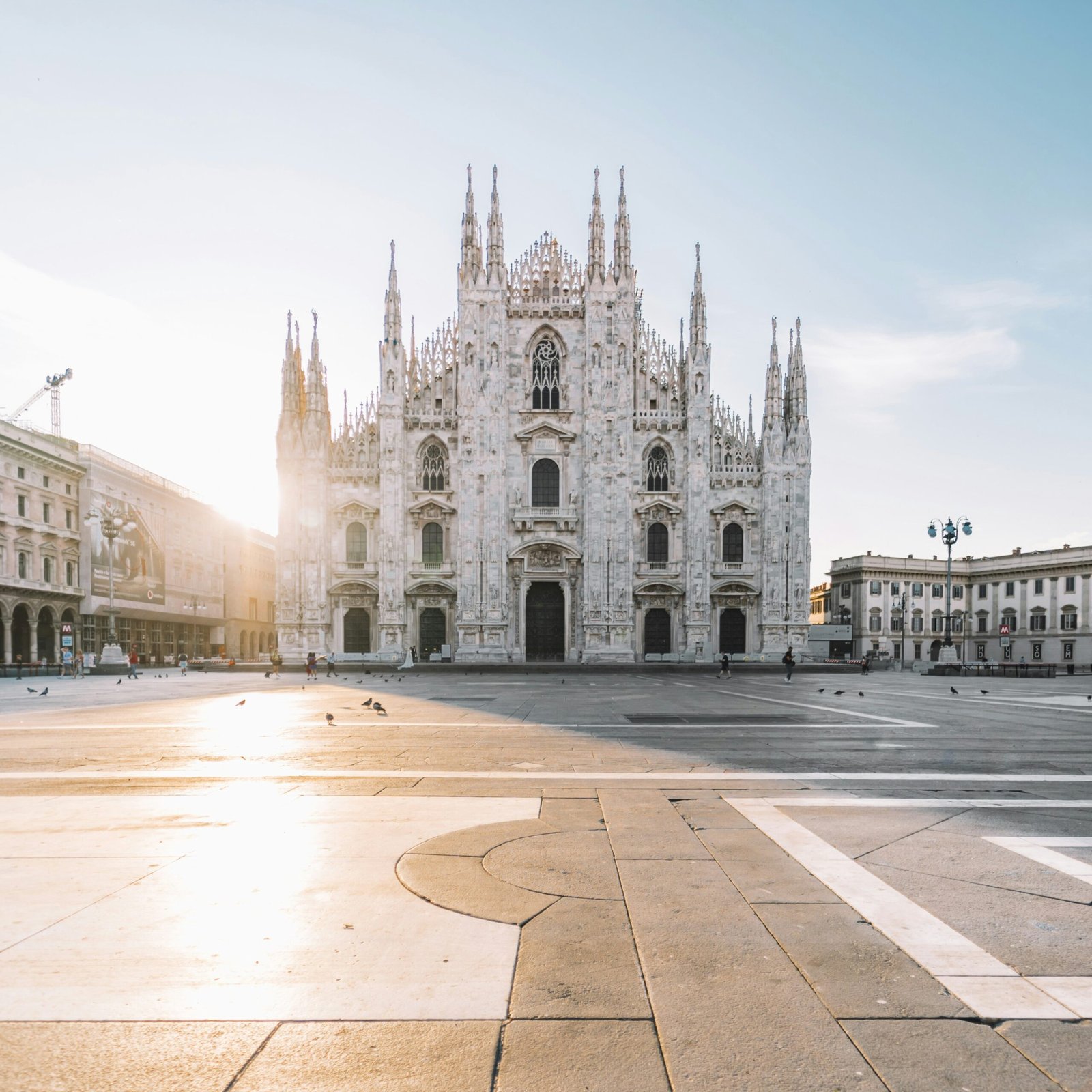
Duomo di Milano, in the central square, is ideal for a short 30–45 minute visit if you book a terrace-access ticket in advance. Going up and down usually costs €13–20 and helps you avoid 40–90 minutes of queueing if you arrive without a reservation. Micro-scene: you exit Duomo station at 09:05, have a tightly controlled 40-minute window before returning to your hotel 800 meters away, and by reserving ahead you avoid about an hour in line.
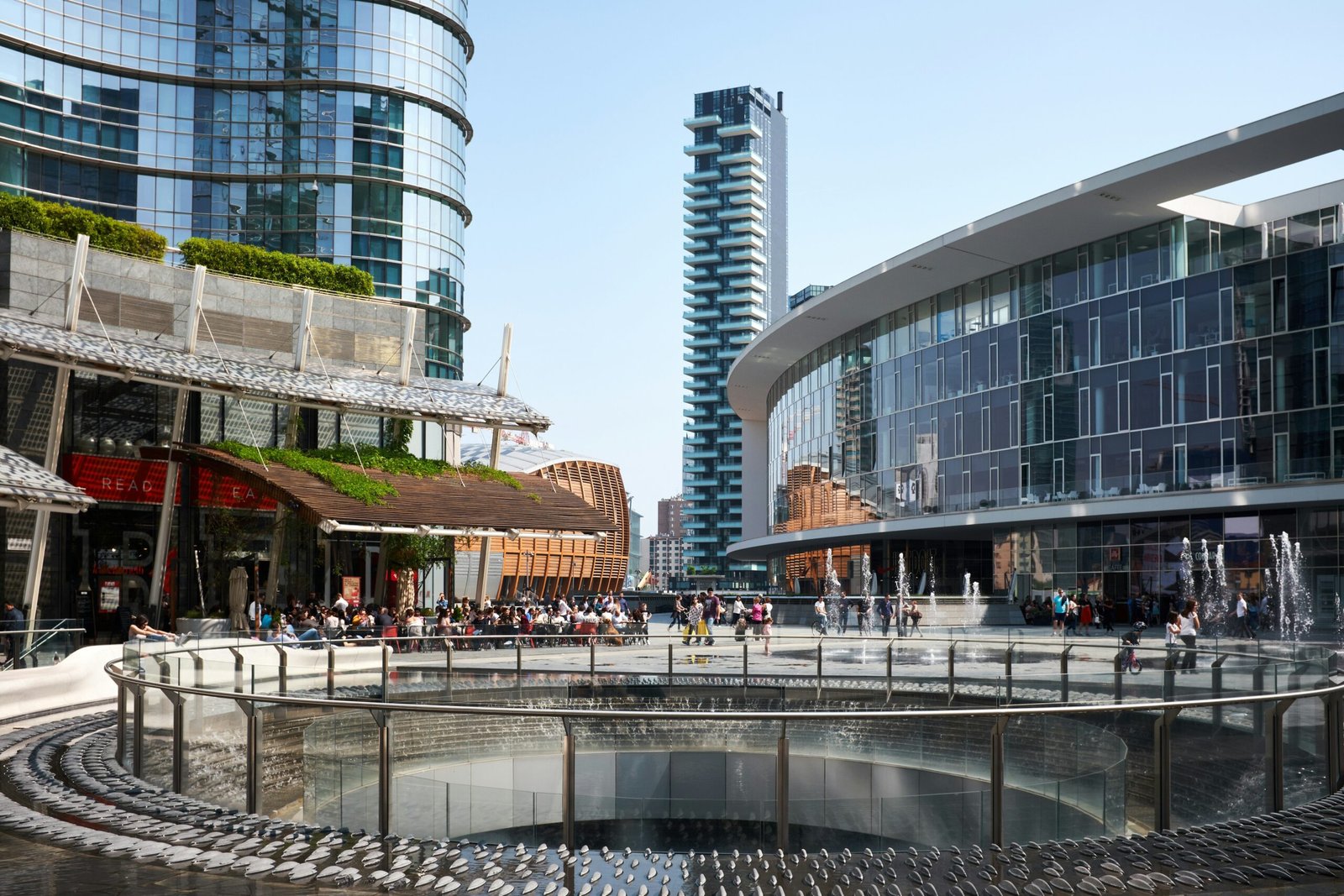
The financial district and Porta Nuova, including Biblioteca degli Alberi, are a 20–35 minute planned walk or around 10 minutes by tram from other central nodes. They are especially useful for informal 30-minute meetings or business pauses with efficient skyline access. Micro-scene: you hold a 25-minute meeting on a bench facing the skyline, walk back to Garibaldi station in 12 minutes, and board a regional train. If Milan is only one stop in a bigger urban sequence, this approach links especially well with our guide to how Rome works when logistics matter more than sightseeing lists, because both cities reward strong node-based planning rather than improvised movement.
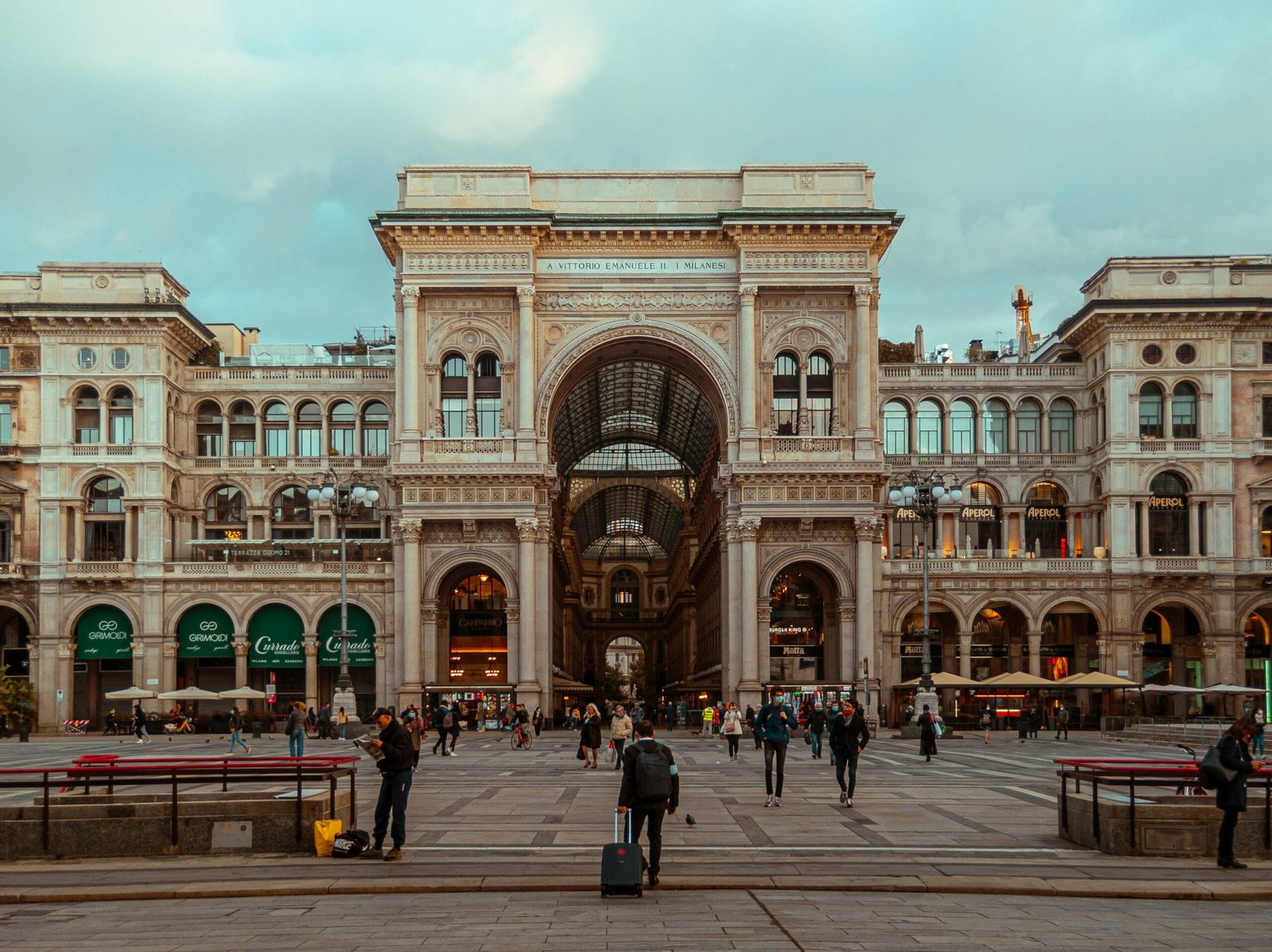
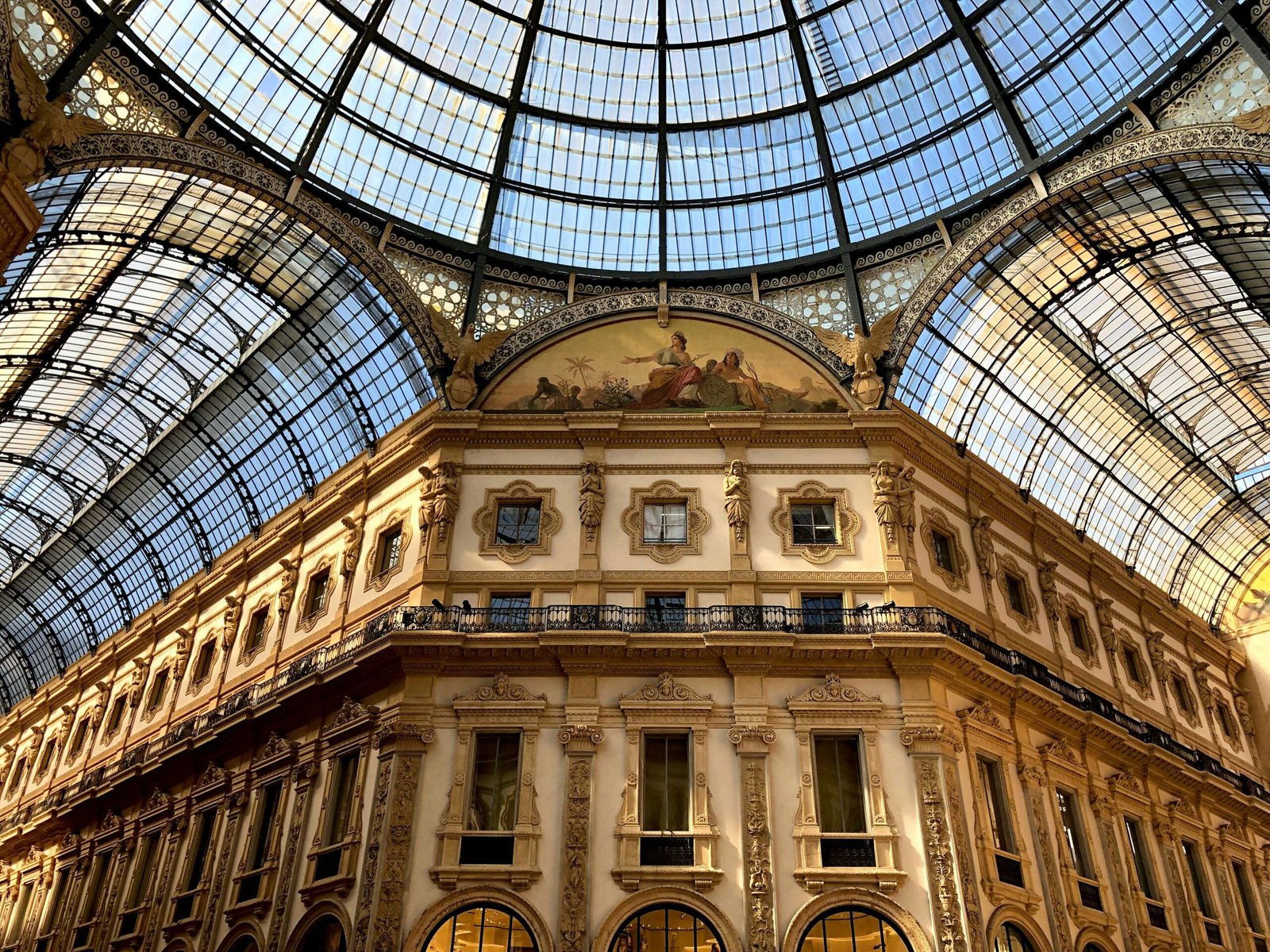
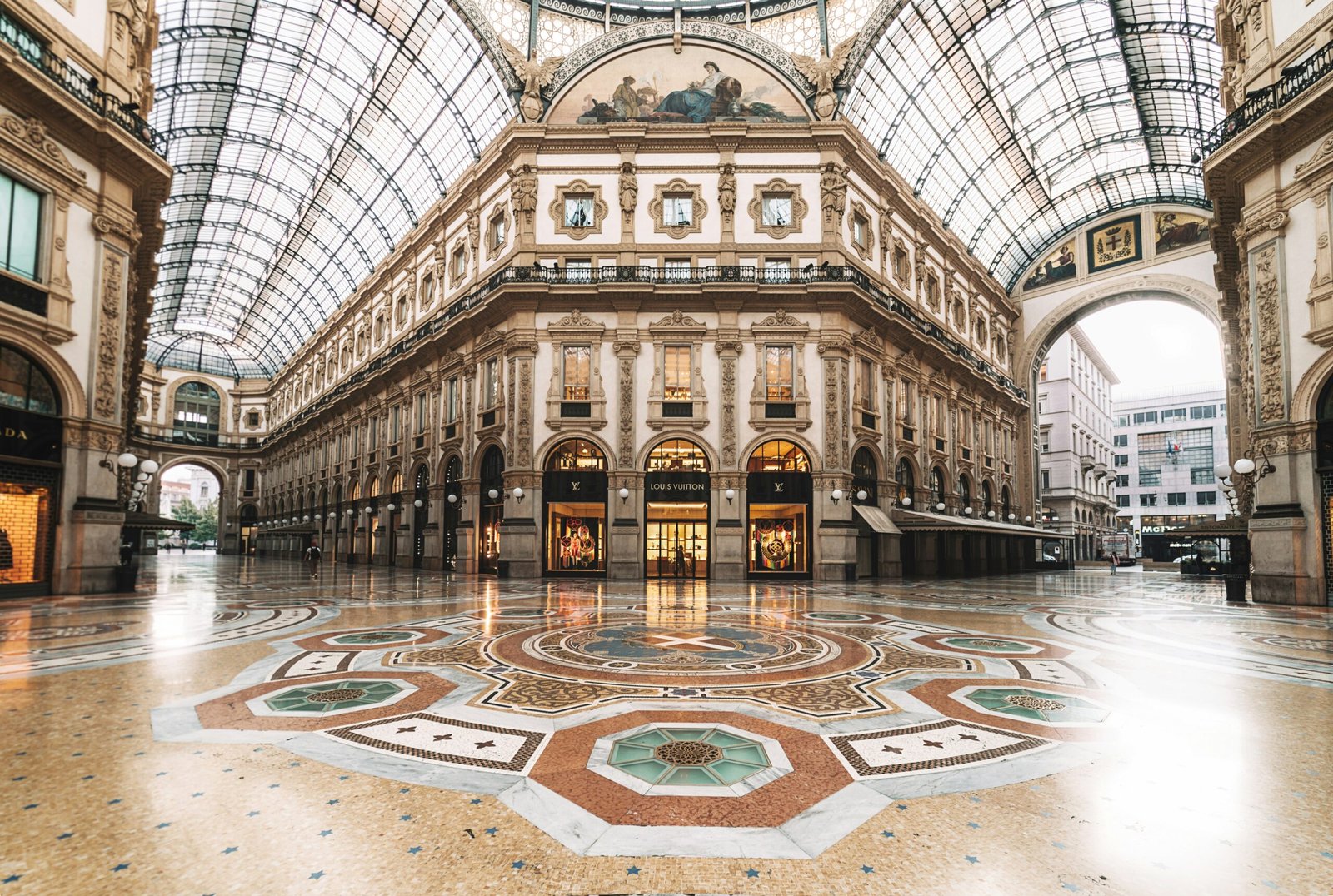
Milano Centrale and the Galleria Vittorio Emanuele II work as transfer and convenience hubs. The gallery can function as a 15–25 minute passage between stations, office areas, and central appointments. Micro-scene: you arrive by train at Milano Centrale at 14:20, move toward the Duomo for a 14:45 appointment, and use the central axis efficiently instead of improvising across heavier traffic zones.
Brera, a district of creative offices, cafés, and cultural venues, is ideal for 30–50 minute meals and compact professional meetings. Average trips from Porta Romana take 12–18 minutes. Micro-scene: a 45-minute meeting in a Brera café costs around €18 per person and leaves you a short walk from the tram back toward Centrale. If your broader itinerary later shifts into a denser art-and-history environment, it is also worth seeing how this contrasts with the rhythm explained in our article on Florence logistics, timing, and practical mistakes, where distances feel shorter but pressure on time can be even higher.
The Fiera / Rho Pero area becomes strategically important if you are attending a trade fair. Coordinating your trip with suburban rail, especially S5 or S6, reduces waiting and variability. The suburban train takes around 15–25 minutes from Garibaldi; booking through the app avoids lines of up to 20 minutes. Micro-scene: you leave the fair at 17:10 and, with a mobile ticket bought 10 minutes earlier, board the 17:23 train and reach Garibaldi at 17:45, saving roughly 35 minutes compared with buses trapped in traffic.

15 and 40 minutes per day in transfers. Proximity to nodes such as
Milano Centrale, Garibaldi, or Duomo often has a bigger impact on your total trip time than the hotel price itself.
How to get there
Milan has three relevant airports: Malpensa (MXP), Linate (LIN), and Orio al Serio / Bergamo (BGY). Choosing the right airport and transfer mode is the first decision that affects both real time and real cost.
From Malpensa (MXP), the main options are the Malpensa Express to Milano Centrale or Cadorna, taking about 50 minutes to Centrale for roughly €13–14; direct buses taking 50–70 minutes depending on traffic for around €8–10; or taxis costing €95–120 and taking 50–70 minutes. Micro-scene: if your train leaves Centrale at 11:00, taking the 09:00 Malpensa Express and arriving at 09:50 gives you 70 minutes of buffer for station access, platform checks, and a possible 15–20 minute delay.
From Linate (LIN), the advantage is proximity: 7–25 minutes to the center depending on traffic. Metro M4, when working smoothly toward the center, takes about 10–15 minutes and costs around €1.50; a taxi during peak hours can take 25–40 minutes and cost €25–35. Micro-scene: a flight landing at 08:10 and a work appointment in Brera at 09:30 requires leaving with enough margin; Metro M4 greatly reduces the risk of missing the meeting compared with a taxi in rush hour.
From Bergamo (BGY), the airport bus to Milano Centrale takes roughly 50–60 minutes and costs €6–10. The train alternative requires a bus transfer to Bergamo station and then a regional train, pushing the total to 70–90 minutes. Micro-scene: you land at 15:00, catch the 15:30 direct bus, and reach Centrale at 16:20, enough to board a regional train at 16:40 with a 20-minute safety margin. This kind of timing discipline becomes even more important if your Milan segment is only a gateway before moving into destinations like Lake Como, where rail-to-ferry timing becomes much less forgiving.
✈️ Compare airport entries before locking the Milan segment
Arrival logic
In Milan, the cheapest airport is not always the most efficient one. Comparing flights into Malpensa, Linate, or Bergamo first can save real money, but more importantly, it can save 30–60 minutes of downstream friction once airport transfer costs and timing are added.

| Ways to reach Milan, Italy | Duration | Estimated cost | Comfort | When to choose it |
|---|---|---|---|---|
| International / domestic flight | Varies by origin | €180–300 | High | Main access route |
| High-speed train | Fast | €42–70 | High | Best time-price balance |
| Local public transport | Variable | €1–3 per ride | Medium | Ideal within the destination |
| Private transfer / taxi | Fast | €18–30 | High | Recommended with luggage |
🌍 Connections from Milan to Northern Italy
Milan functions as the main transport hub of northern Italy.
From here you can easily reach destinations such as Venice, Verona, Turin, or Lake Como
in journeys of between 40 minutes and 2 hours on high-speed trains.
If your trip continues through the region, it is worth understanding which routes optimize time,
which stations to use, and when the train is better than car or bus.
👉 Read the full guide here:
Northern Italy guide: routes, key cities, and practical tips
Where to stay
Your accommodation decision should prioritize proximity to transport nodes depending on your itinerary: Milano Centrale for international trains and early departures, Duomo or Brera if your agenda is central and walkable, Porta Romana or Corso Buenos Aires if you have reasons to work that side of the city, or Garibaldi / Porta Nuova if you move often toward Rho Fiera or rely on the suburban rail network.
Milano Centrale hotels reduce station transfers to a 5–10 minute walk, with rates often ranging between €80 and €160 per night depending on the season. Micro-scene: you need to catch a train to Venice at 06:30; staying four minutes on foot from the station lowers the risk of missing it and avoids a €20–30 late-night taxi. Duomo and Brera, on the other hand, increase average prices by roughly 15–35% compared with more distant areas, but make central appointments far easier on foot. Micro-scene: a sales meeting at 09:00 on Via Dante becomes a 9-minute walk rather than an urban transfer you have to calculate around traffic or metro crowding.
Garibaldi and Porta Nuova are ideal if you use regional trains, the S-line network, or if your schedule involves repeated movement toward business districts and fairs. Micro-scene: you have a trade-fair day ahead; a hotel 7 minutes from Garibaldi lets you leave at 08:20 and reach Rho Fiera by 08:45, instead of wasting 30 minutes or more in taxi traffic. This same logic of choosing the base by function rather than charm is also useful in more compact but tourist-heavy cities, as shown in our English guide to where Florence works smoothly and where it quietly drains your time.

Where to eat
For operational trips, it makes sense to prioritize places with quick service, proximity to transport nodes, and the ability to issue receipts or invoices if you are traveling for business. In the Centrale area, cafés and brasseries often provide quick table service in 15–30 minutes, with an average cost of €12–20 for a practical meal. Micro-scene: between a train and a meeting, you grab a €7 panino in 8 minutes and return to the station in 6 minutes for the 13:12 train.
In Brera and around the Duomo, average menus range from €20–35, and booking lunch in advance for a controlled 45-minute slot can save 20–50 minutes of waiting at peak times. Micro-scene: reservation at 12:30; you arrive at 12:25, finish lunch in 45 minutes, and walk back to the office in 12 minutes. Garibaldi and Porta Nuova offer healthier quick-food options and chains that handle billing easily, with 10–20 minute express menus priced around €9–18. Micro-scene: you have a meeting at 14:00, order take-away at 13:10, and finish eating in 15 minutes in a nearby coworking zone instead of spending 30 extra minutes moving around for lunch.
If your wider northern itinerary later shifts toward destinations where eating windows are even more constrained by movement, ticketing, or lake transport, it helps to understand how similar decisions play out in our guide to Siena logistics and timing discipline, where compact urban structure hides its own operational traps.

| Area type in Milan, Italy | Average price per person | Rush-hour risk | Recommended strategy |
|---|---|---|---|
| Central tourist area | €15–25 | High | Book or avoid 13:00–15:00 |
| Local neighborhoods | €12–20 | Medium | Best value for money |
| Quick options | €8–13 | Low | Perfect if you optimize time |
Practical travel tips
Tip 1: Book the Malpensa Express digitally in advance to guarantee smoother access and save 0–15 minutes of ticket-office waiting. Micro-scene: you arrive at MXP at 08:35; with a physical ticket you face a 12–18 minute line, but with a mobile ticket you go straight in and board the 09:00 train, saving 12 minutes and avoiding a €95 taxi.
Tip 2: If your schedule includes departures before 07:30, stay near Milano Centrale. Micro-scene: your train leaves at 06:25; from Centrale you walk 4 minutes and arrive with a 15-minute buffer, whereas from Duomo you would face a longer transfer and far less tolerance for disruption.
Tip 3: For trade fairs at Rho Fiera, buy the round-trip rail ticket the day before. Micro-scene: the fair opens at 09:00; with your ticket already bought, you board the 08:20 train and arrive at 08:45; without it, you lose 20–35 minutes in line.
Tip 4: Use the ATM travel card or app instead of individual tickets if you stay more than 48 hours. Micro-scene: with 5 daily movements, a transport card can reduce spending by €7–12 compared with buying simple tickets repeatedly.
📶 Stay connected for metro changes, tickets, and meeting-day routing
Travel connectivity
In Milan, live connectivity helps with airport transfers, metro changes, rail platforms, digital tickets, invoices, maps, and last-minute meeting adjustments. If the trip is short and dense, staying connected is part of the operational structure, not just a convenience.
Tip 5: Avoid taxis from Malpensa unless they are truly necessary. Micro-scene: your flight lands at 22:50; a taxi may take 55 minutes and cost €100, while the Malpensa Express gets you in around 50 minutes for €14, saving roughly €86.
Tip 6: Plan meetings in areas connected by M1 or M3. Micro-scene: one appointment at 11:00 in Duomo and another at 12:00 in Cadorna become a manageable metro + walking transfer rather than a taxi gamble.
Tip 7: If you work remotely, choose a coworking space 8–12 minutes on foot from your hotel. Micro-scene: you need to print materials at 09:00; a coworking space 9 minutes away gives you far more predictability than searching for services on the move.
Tip 8: Use the Duomo terraces outside peak hours. Micro-scene: you reserve the 07:15 slot, go up and down in 40 minutes, and return before the city fully tightens.
Tip 9: Carry digital copies of documents and invoices. Micro-scene: you need to present an invoice at a 10:00 meeting; having it prepared earlier saves 20 minutes of unnecessary morning friction.
Tip 10: For early flights from Linate, assume 45–60 minutes in rush-hour conditions and leave generously.
Tip 11: For logistics linked to fairs, use lockers or parcel services near Rho Fiera; that can save 30–90 minutes on-site.
Tip 12: If you need to justify business expenses, avoid restaurants that do not issue invoices properly.
Tip 13: Plan optimized walking routes. In central Milan, a well-structured 2–3 km walk can outperform metro usage on short urban hops.
Tip 14: Check events and closures 48 hours in advance. Matches at San Siro or fairs at Rho can distort transfer times by 15–60 minutes with very little warning.
Common mistakes and what NOT to do
Error 1: Underestimating the transfer time from Malpensa and taking a taxi without checking the train schedule. Consequence: paying €95–120 instead of €13–14 and possibly losing 20–30 minutes in traffic.
Error 2: Not buying a return ticket for Rho Fiera during peak hours. Consequence: 20–45 minutes in line and a damaged fair schedule.
Error 3: Choosing a cheap hotel far from the useful nodes. Consequence: you save on paper, but lose 15–40 minutes per transfer and add daily transport costs.
Error 4: Skipping reservations for business lunches in central areas. Consequence: 20–50 minutes of waiting and possibly a reduced or ruined meeting.
Error 5: Relying exclusively on taxis during rush hour. Consequence: unpredictable transfer times and much higher cost than metro or rail.
Error 6: Not checking metro maintenance or weekend closures. Consequence: bus diversions, longer walking, and broken timing.
Error 7: Carrying insufficient cash for specific small purchases. Consequence: wasted minutes searching for an ATM and unnecessary commissions.
Error 8: Not using the official ATM transport app and buying single tickets repeatedly. Consequence: more spending and more dead time at machines.
Error 9: Trying to visit the Duomo terrace without a reservation during high season. Consequence: 60–120 minutes in line and a severely damaged day structure.
Error 10: Trusting theoretical regional train schedules without a safety buffer. Consequence: missed connections and last-minute replacements.
Error 11: Not checking San Siro events or trade-fair calendars. Consequence: 30–90 minute delays and inflated taxi dependency.
Error 12: Not asking for invoices or receipts for company expenses. Consequence: deduction problems, reimbursement issues, and wasted administrative time.
Safety or recommendations
Practical safety in Milan is mostly about preventing time loss and avoiding petty theft in transport-heavy or crowded areas. Keep digital copies of documents, split payment methods, and avoid exposing valuables on public transport or café tables. At night, avoid long walks alone in peripheral areas after midnight; app-based taxis or rides with visible fare estimates usually reduce both uncertainty and risk.
🛡️ Protect the trip against delays, theft, and operational disruption
Risk control
Milan is efficient, but it punishes distraction. A lost document, a missed connection, or a stolen card can turn a short productive trip into an expensive interruption. A strong insurance layer helps reduce the financial cost when the schedule breaks.
Compare travel insurance options
On public transport, keep your bag closed and close to your body, especially in summer or during major events. Milan is manageable, but it punishes distraction: one stolen card, one lost document, or one bad station choice can trigger an unnecessary chain of wasted time.
Frequently asked questions (FAQ)
What is the best way to get from Malpensa to the center if I have a meeting at 10:00?
Book the Malpensa Express and work backward from your appointment with a real margin, not an optimistic one. The train is usually the cleanest choice in terms of cost and predictability.
Is it better to book a hotel near Centrale station or in Brera?
If you have early departures or rail-heavy movement, Centrale is often more functional. If your priority is a more central work and dining rhythm, Brera can justify the higher cost.
How does transport from Bergamo work and how long does it take?
The direct airport bus is usually the simplest option, taking around 50–60 minutes. The train combination is slower and requires more operational attention.
Is it necessary to rent a car in Milan?
For an urban stay, usually no. Traffic, parking costs, and ZTL-related risk make the car inefficient unless your itinerary truly depends on out-of-city segments.
Which transport card is best for 48–72 hours?
The rechargeable ATM card or a 24/48/72-hour pass is usually the smartest option if you expect more than 4 rides a day.
How do I avoid lines at the Duomo terrace?
Use a timed ticket booked online, ideally 24–48 hours in advance, and avoid the central peak window between late morning and mid-afternoon.
What happens with transport on fair days or match days?
Affected routes can slow down dramatically. Rail tends to remain more reliable than buses when demand spikes.
Where can I print or scan documents quickly?
Near Centrale and Garibaldi you will usually find copy shops or coworking spaces that handle this in 10–20 minutes.
Mini logistical experience: arrival at Malpensa 08:15 — mobile ticket at 08:25 — train at 09:00 — arrival Milano Centrale 09:50 — transfer to Brera 10:10 — meeting 10:30–11:15 — quick lunch 11:30–12:00 — metro to Porta Garibaldi 12:20 — train to Rho Fiera 12:45. Practical result: around 45–60 minutes saved compared with improvised taxi or bus decisions, and direct transport savings close to €80–90 on the first major segment.
📊 GlobeVision Strategic Index
v4.0 · 2026-03-04
📍 Analyzed destination: Milan — Operational travel manual and territorial optimization
🎯 Strategic level: Applied territorial optimization
🧳 Travel profile: Structured urban
📋 Recommended planning: High (very detailed content)
⚙️ Logistical complexity: High if not planned
💡 GlobeVision™ approach: Friction reduction and operational efficiency
📊 Detected FAQs: 8 frequently asked questions analyzed
GlobeVision™ analysis: This index has been generated automatically based on the structure and content of the article.
🌍 Explore Italy with a strategic vision
GlobeVision™ — Strategic Travel System
GlobeVision™ does not publish lists.
It analyzes destinations from a territorial, logistical, and operational perspective.
If this guide helped you understand the real structure of the trip,
the next step is accessing the full system.
Conclusion
Milan requires precise logistical decisions: choosing the right airport, the right accommodation node, and the right intermodal transport combination before traveling can reduce both friction and real costs. Digital reservations, transport passes, and proper schedule planning help avoid measurable losses in both minutes and euros.
By applying the advice and avoiding the mistakes described here, a traveler can reduce up to 60 minutes of waiting time per transfer and save dozens of euros per segment, all while maintaining productivity during short stays. Milan rewards structured movement: if you treat it like a simple tourist stop, you lose efficiency; if you treat it like a system, it becomes one of the most useful urban bases in Italy.