
Learn how to organize a smart route through Italy, choose the right cities based on the number of days you have, and avoid logistical mistakes that can ruin your itinerary. This guide is designed to help you travel with better judgment, optimizing time, energy, and budget so your experience feels strategic rather than improvised.
- Introduction
- Italy strategic map
- Best places to visit based on your available time
- Strategic micro-itineraries
- How to arrive and move around without mistakes
- Where to stay intelligently
- Where to eat without falling into traps
- Key practical tips
- Common mistakes you should avoid
- Safety and recommendations
- Frequently asked questions
- Conclusion
Introduction
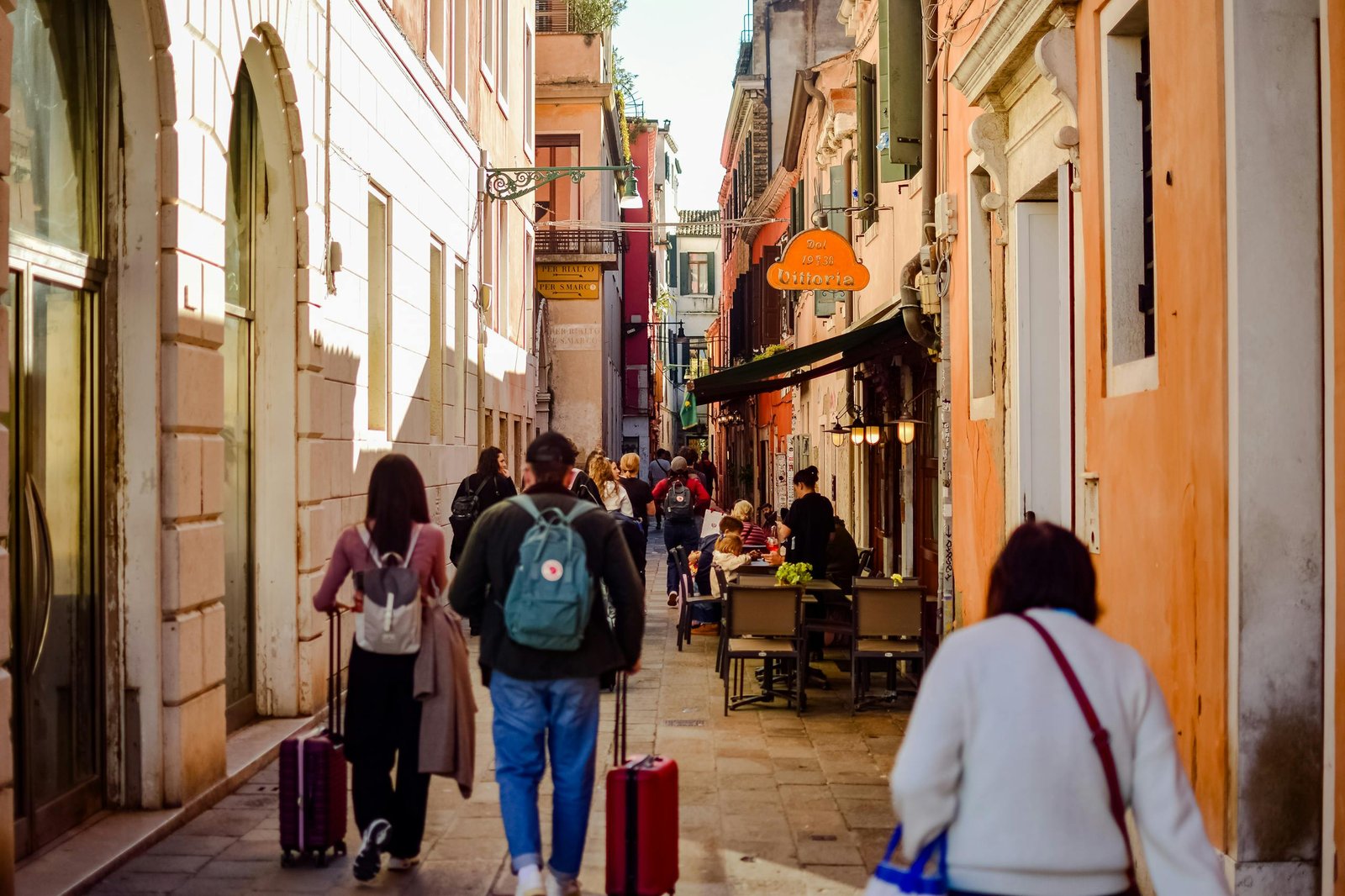
Italy is one of the most desired destinations in Europe, but also one of the most poorly planned by many first-time travelers. On the map, everything seems relatively close: Rome, Florence, Venice, Milan, Naples. High-speed rail connects a large part of the country, and that creates a false sense of ease. The real problem is usually not moving around, but deciding what to leave out, how much time to spend in each area, and what pace is actually sustainable.
After several trips through Italy, the conclusion has always been the same: the mistake is not choosing the wrong city, but trying to fit too many into too few days. That is when the real problems begin: constant early mornings, premature check-outs, suitcases dragged through stations, midday lines, heat, exhaustion, late dinners, and the feeling of having “been” to many places without truly enjoying any of them.
The difference between a smooth trip and an exhausting one lies in the structure. The north does not work the same way as the center. The south requires a different mindset. Distances are deceptive when you add transfers, time to reach your accommodation, daily organization, lines, walking, and real breaks. On top of that, Italy punishes improvisation quite hard in high season: higher prices, sold-out tickets, crowded stations, and cities that are physically very demanding.
This guide is not a list of monuments. It is a tool to design a coherent route, distribute your days logically, and avoid logistical mistakes that can cost you hours, money, and enjoyment. The idea is simple: to help you travel better, not faster.
| Type of trip | Most common mistake | Real consequence | Strategic solution |
|---|---|---|---|
| 7 days or less | Trying to see 4 or 5 cities | Fatigue, less enjoyment, too many transfers | Choose 2 well-connected cities |
| 10 days | Not grouping by areas | Losing half a day in changes | Design a logical linear or circular route |
| 12-14 days | Overloading the center and the south | Uneven rhythm and accumulated wear | Alternate intensity and rest |
Italy strategic map
Before choosing cities, it helps to understand Italy in territorial blocks rather than as a sum of famous names. This approach reduces mistakes, simplifies decision-making, and helps you better visualize which combinations truly make sense.
The general logic is usually this: the north works better for more structured trips connected by train; the center offers balance between history, cultural density, and reasonable travel times; the south requires more time, more flexibility, and a greater tolerance for less predictable rhythms. The biggest mistake is mixing all three blocks without having enough days.
Best places to visit based on your available time
Italy should not be approached as a list of famous cities, but as a set of regions with different rhythms.
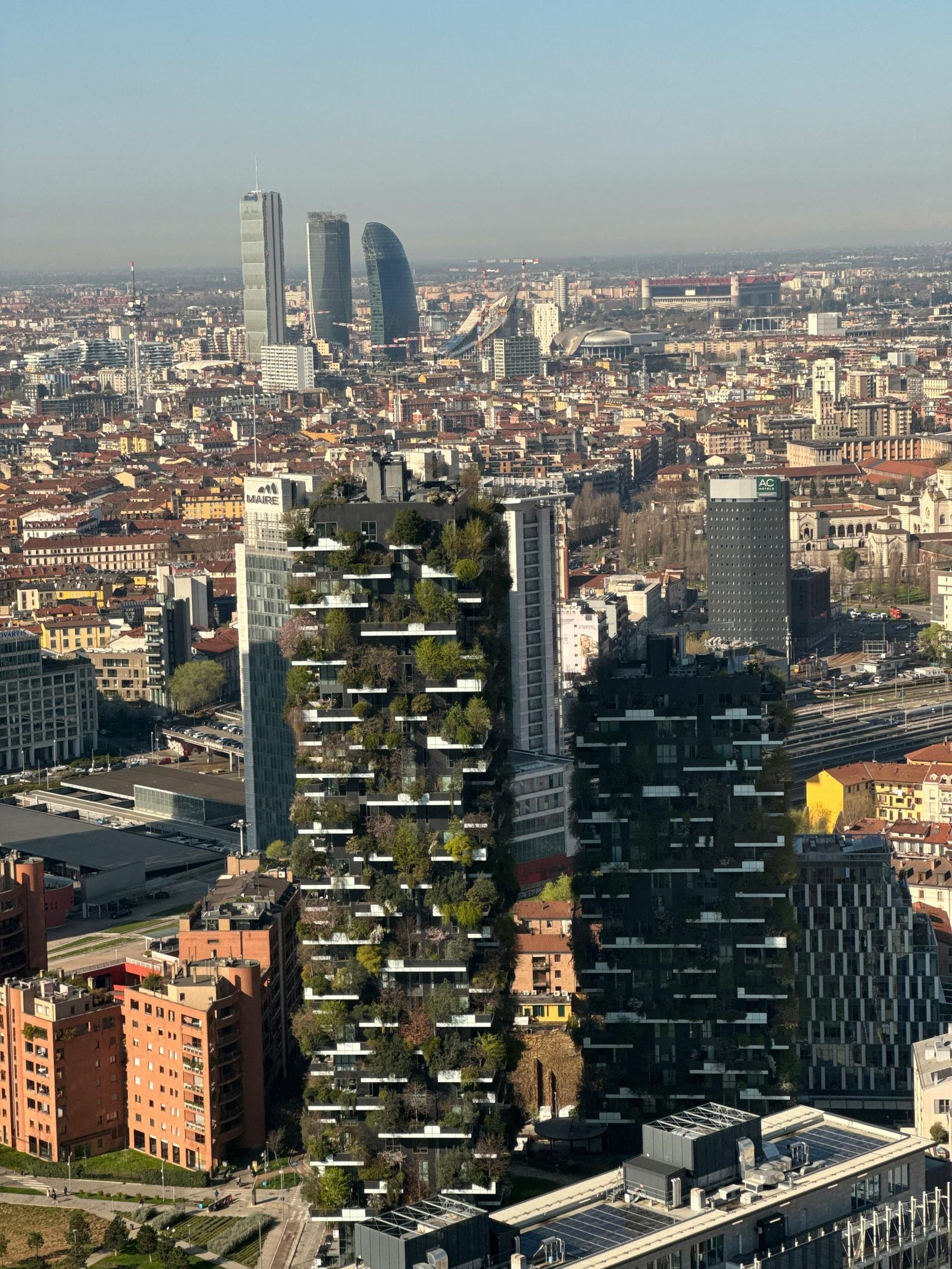
The north offers efficiency, fast connections, and relatively short routes between cities such as Milan, Venice, and Florence. It is ideal if you want structure, simple mobility, and controlled distances. If you want to go deeper into that territorial logic, here is our practical guide to planning an efficient route through Northern Italy, with a more specific view of combinations, timing, and common mistakes in that part of the country.
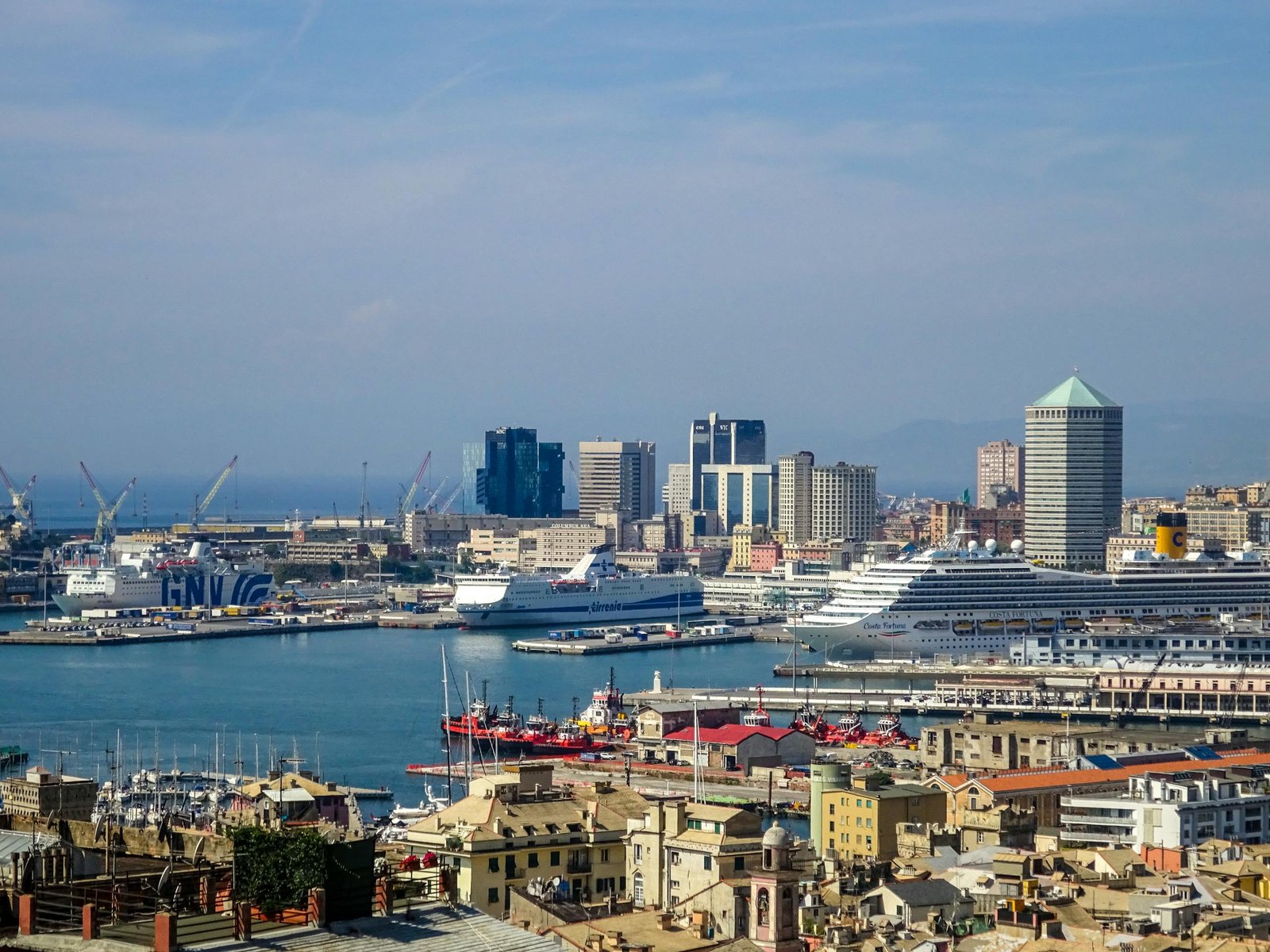
The center concentrates classical history and offers an interesting balance between cultural density and manageable travel times. Rome and Florence work well together if you have one week and want to alternate intensity with manageable cities. The south, by contrast, requires a different mindset: Naples, Sicily, or the Amalfi Coast need more time, more margin, and more logistical patience.
If you only have 7 days, the strategic choice is to focus on two well-connected cities. If you have 10 days, you can integrate three without turning the trip into a race. The goal is not to “see more,” but to keep each day from becoming a sum of stations, check-ins, and transfers.
| Available days | Recommended approach | Number of cities | Level of demand |
|---|---|---|---|
| 5-7 days | Compact route | 2 cities | Medium |
| 8-10 days | Balanced route | 3 cities | Medium-high |
| 11-14 days | Broader route by areas | 3-4 cities | High if you change base too often |
A classic axis like Rome – Florence – Venice works because it connects efficiently by train and balances history, art, and architecture without extreme transfers. If you decide to include Florence in your route, it is worth planning it carefully: here is our complete guide on what to know before traveling to Florence, with practical keys, frequent mistakes, and an optimized micro-itinerary to make the most of it without overwhelming yourself.
But the real criterion is not “which city is more famous,” but how much wear and tear it causes to move your base every two days. Alternating dense cities with more compact ones helps prevent physical and mental saturation.
The most important rule for traveling through Italy without burning out:
Do not build your route around famous cities, but around coherent geographic blocks. In 7 days, two cities. In 10 days, three. In 14 days, a maximum of four if they are well linked. Anything beyond that usually turns into fatigue, transfers, and reduced enjoyment.
Strategic micro-itineraries
Northern Route (7 days)
Milan – Venice – Florence. Ideal for short train journeys, a balance between art and simple logistics. It is a very grateful route for anyone seeking efficiency, first experiences in Italy, and lower operational complexity.
Classic Route (10 days)
Rome – Florence – Venice. It combines historical intensity with cities that are very well connected. Florence works as the hinge between the density of Rome and the singular character of Venice.
Florence is the balance point of the itinerary. Before including it, check our detailed guide to organize your time properly and avoid the most common mistakes in the city.
Center-South Route (10-12 days)
Rome – Naples – Amalfi Coast. It requires more flexibility and better transfer planning. The common mistake here is treating the south with high-speed logic, when in reality it requires more margin and less rush. If before finalizing your route you want to better understand how to structure the country without making foundational mistakes, it is also worth reviewing this guide on Central Italy and its territorial logic, because it will help you decide whether it really makes sense to go farther south or focus on a more manageable band.
| Route | Ideal length | Type of traveler | Main risk |
|---|---|---|---|
| North | 7 days | First trip / efficient pace | Trying to add too much |
| Classic | 10 days | Balanced cultural trip | Overload in Rome |
| Center-South | 10-12 days | Flexible traveler | Underestimating time and heat |
The key is not to add destinations, but to group them by proximity and coherence. A brilliant itinerary is not the one with the most names, but the one that leaves you with energy to enjoy each place.
How to arrive and move around without mistakes
Italy has several key international airports: Rome Fiumicino, Milan Malpensa, and Venice Marco Polo. The right choice depends on your route. Entering through the north and leaving through Rome can save you a long return journey and unnecessary wear on the last day.
✈️ Compare entry and exit options before locking the route
Flights
In Italy, a better route often starts with a better airport combination. Checking open-jaw flights or smarter entry and exit points can save a long backtrack, reduce transfer fatigue, and make the whole itinerary cleaner from day one.
High-speed rail, especially Frecciarossa or Italo, is the most efficient way to move between major cities. Rome–Florence takes about 1h30. Florence–Venice around 2 hours. Milan–Venice or Milan–Florence also work very well for a fluid route. If your route includes a major entry or exit city in the north, it may help to review this more specific approach to organizing Milan with operational logic, especially if you plan to use it as a connection hub.
But here is the detail many people overlook: the trip does not end at the station. You still need to add the transfer to your accommodation, check-in, day organization, possible waiting time to leave luggage, and the real time it takes to “start moving” once you arrive. That invisible block is what ruins many overloaded itineraries.
Regional trains require physical ticket validation before boarding in some cases. Failing to do so can lead to immediate fines. And traveling by car, although tempting, comes with a serious problem in historic cities: the ZTL. Entering by mistake can lead to automatic fines that may arrive weeks later. If you rent a car, use it for rural stretches, not urban ones.
| Transport | When it makes sense | Advantage | Risk or limit |
|---|---|---|---|
| High-speed train | Major cities | Fast and comfortable | High price if you book late |
| Regional train | Secondary stretches | Affordable | Slower and requires validation |
| Car | Rural areas / vineyards / villages | Freedom | ZTL, parking, fatigue |
| Domestic flight | Very long jumps or islands | Saves time on long distances | Airport dead time |
Where to stay intelligently
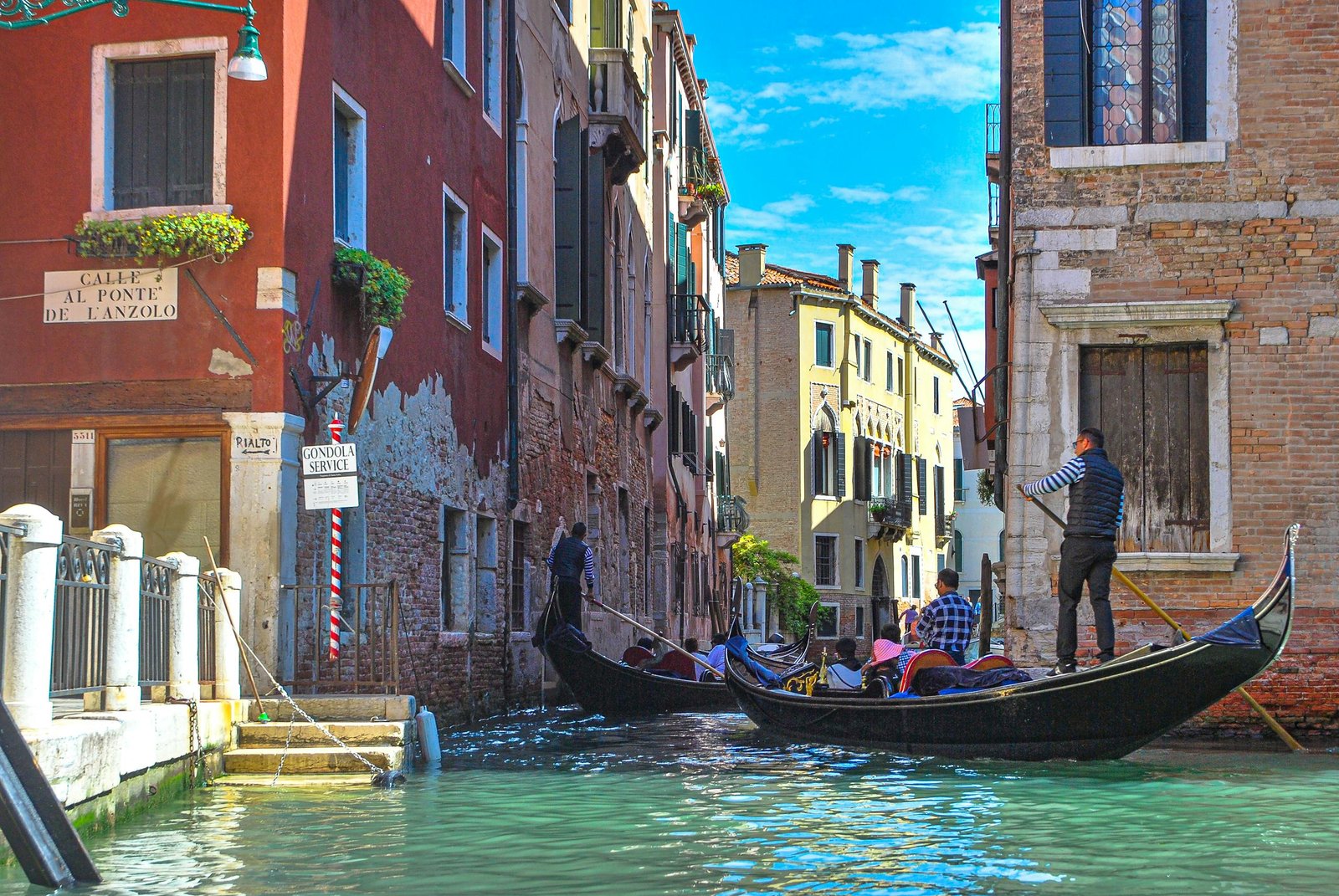
Choosing accommodation in Italy is a strategic decision, not an aesthetic one. Sleeping in the historic center does make sightseeing on foot easier, yes, but it also increases noise, price, and sometimes logistical complications. Staying in well-connected neighborhoods can reduce costs and greatly improve rest.
One of the most common mistakes is changing hotels every night. Every transfer means dead time, lost energy, and constant adaptation. On trips of 7 to 10 days, limiting city changes reduces cumulative wear and improves the feeling of control.
In big cities like Rome or Milan, staying near major stations makes connections and early departures easier. In more compact cities like Florence, the historic center is ideal, but it is always worth confirming whether the building has an elevator, especially if you are carrying luggage. The base you move from determines much of the real quality of your trip.
| Type of area | Main advantage | Main drawback | When to choose it |
|---|---|---|---|
| Historic center | Sightseeing on foot | More noise and higher prices | Short getaways or compact cities |
| Near station | Quick connection | Less charm | Routes with multiple transfers |
| Well-connected neighborhood | Better balance | More initial transit time | Trips of 4 or more nights |
Where to eat without falling into traps
Italian gastronomy varies enormously by region, but eating well does not depend on spending more, only on choosing wisely. The classic mistake is sitting right in front of the monument, with a menu translated into five languages and staff pulling people in at the door. That is rarely where the best experience is.
The rule usually works almost every time: move two or three streets away from saturated areas, book ahead in high season, and ask about the coperto before ordering. In the north, schedules are more structured; in the south, rhythms are more relaxed. Planning meal times reduces waiting and greatly improves the experience, especially on intense trips.
| Type of place | Risk | Advantage | Recommended strategy |
|---|---|---|---|
| Front-line tourist area | High price / uneven quality | Location | Avoid unless necessary |
| Secondary streets | Less visibility | Better value for money | Ideal for eating well |
| Market / quick local spot | Less of a break | Saves time | Very useful on intense routes |

Key practical tips
- Limit the number of cities. Seeing less usually means enjoying more.
- Book trains in advance in summer. You save money and get better schedules.
- Avoid driving in historic centers. The ZTL does not forgive mistakes.
- Alternate intense days with lighter ones. Your body is also part of the itinerary.
- Calculate real transfer times. Not just station to station.
- Do not underestimate the size of Rome. It is a city that wears you down more than it seems.
- Group cities by region. The order matters a lot.
- Keep a flexible buffer for delays. Especially in summer or with tight connections.
- Wear comfortable shoes. Italy involves much more walking than people imagine.
- Stay hydrated in summer. Heat completely changes the rhythm of the trip.
- Avoid August if you have not planned for closures. And if you go, book absolutely everything.
- Prioritize quality over quantity. It is the best advice for any route through Italy.
📶 Keep maps, tickets, and route changes working in real time
Mobile data
In a multi-city trip through Italy, small decisions depend on having data when you need it: train platforms, delay checks, route fixes, ticket access, and last-minute changes. Staying connected reduces friction and helps protect the structure of the trip.
Common mistakes you should avoid
- Trying to see “all of Italy” in one week. It is the fastest way to ruin the trip.
- Not validating regional tickets. It can cost you a ridiculous fine over a totally avoidable detail.
- Ignoring the ZTL. A classic rental-car mistake.
- Underestimating the heat. Especially in Rome, Florence, or Naples in summer.
- Choosing accommodation based only on price. Cheap can become expensive in time and energy.
- Not booking tickets in high season. You lose hours in lines or get shut out entirely.
- Traveling with excessive luggage. Every staircase and every station turns it into a problem.
- Improvising long transfers. Italy looks compact, but it does not work that way in practice.
- Overloading every day. More activities do not mean a better trip.
- Not leaving room for rest. Accumulated fatigue ruins the second half of the itinerary.
Safety and recommendations
Italy is a safe country, but the concentration of tourists attracts pickpockets in stations and very crowded areas. Keep valuables in inner pockets, watch your luggage on trains, always cross at marked crossings, and plan breaks to avoid accumulated fatigue. Prevention is always more effective than reaction.
It is also worth not underestimating smaller logistical risks: arriving late to a station, sleeping badly because you chose a noisy area, or chaining together too many city changes may not seem serious in the moment, but they end up affecting the overall quality of the trip. Safety is not only about avoiding theft; it is also about avoiding mistakes that wear you down little by little.
🛡️ Add protection before small disruptions become expensive
Travel cover
On a route through Italy, missed connections, delays, theft, heat-related issues, or booking changes can quickly damage both budget and rhythm. A solid insurance layer helps keep the trip protected when real travel stops behaving like the plan.
Compare travel insurance options
Frequently asked questions
How many days do I really need to travel through Italy without getting exhausted?
The answer depends less on how many cities you dream of seeing and more on how much real wear and tear you can handle without the trip losing quality. In practical terms, 7 days usually allows for a compact route of two well-connected cities, 10 days makes room for three cities at a reasonable pace, and from 12 or 14 days onward you can build a richer route, as long as you do not turn the trip into a succession of check-ins and early mornings. The big mistake is thinking that “everything fits” because the map looks compact. Italy punishes overplanning quite hard: every city change adds transfer to the accommodation, waiting time, physical fatigue, orientation, lines, and mental reorganization. That is why, if you really want to enjoy it, you should not measure your days only in hotel nights, but in useful energy per day. A three-city route in 10 days usually works very well if you group it with territorial logic. By contrast, squeezing four or five cities into one week usually leaves you with a constant sense of rush, very little room for improvisation, and less enjoyment than you imagined when you planned it.
Which cities should I combine on a first trip to Italy?
For a first trip, the smartest move is to prioritize combinations that work well by train and that also give you variety without forcing long jumps. The classic Rome – Florence – Venice formula still works because it balances history, art, architecture, and strong rail connections. Another very efficient option is Milan – Venice – Florence, especially if you enter through the north and want a more compact route. If you want something with less saturation, you could also consider Milan – Lake Como – Verona or Rome – Florence as a calmer and more manageable route. What matters is not only that the cities are famous, but that together they form a logical sequence. Some combinations look very tempting on paper but become heavy in practice, especially if you mix north, center, and south without enough days. A first trip should give you a feeling of control, not a sense of chase. That is why the best approach is to build a route with cities that speak well to each other, connect easily, and do not force you to lose half a day every time you change base. In Italy, choosing the right pairs or trios of cities matters more than trying to cover everything.
Is it better to move around Italy by train or rent a car?
On most urban and cultural routes through Italy, the train clearly beats the car. Between major cities such as Rome, Florence, Milan, Venice, or Turin, high-speed rail is fast, comfortable, and far less draining than driving, parking, or fighting traffic. On top of that, it leaves you in relatively central areas and helps you avoid one of the country’s most expensive mistakes: accidentally entering a ZTL, the limited traffic zones in many historic centers. That said, the car still makes sense in certain contexts: vineyards, rural villages, mountain areas, secondary Tuscany, Val d’Orcia, parts of Piedmont, or places where the train does not solve the final leg well. The problem appears when people rent a car “for freedom” and then take it into cities where that freedom turns into stress, fines, expensive parking, and dead time. The key is not to choose one or the other as if they were rivals, but to combine them intelligently. For major cities, train. For rural areas or scenic routes, car. That way you reduce friction, optimize time, and avoid paying extra for a convenience that, on certain stretches, not only fails to help but actively complicates the entire trip.
Is it worth changing hotels every night if I want to see more places?
No. In almost every case, changing hotels every night makes the experience worse, even if on paper it seems like you are “making the most of it.” Every change means packing, checking schedules, leaving one room, arriving at another, waiting for check-in, orienting yourself again, and only then restarting the day after the transfer. That whole block consumes real energy and real time, even if it is not always obvious when you plan from home. On trips of 7 to 10 days, the most efficient thing is usually to sleep at least two nights per area, and even three when the city justifies it, as in Rome or Florence. Moving base too often creates a fatigue that grows silently: you sleep worse, walk with less patience, feel the heat more, tolerate lines less well, and end up making worse decisions throughout the day. It only makes sense to move the base frequently if the territorial logic clearly requires it, for example when going from the north to the center or the south, or if a rural area benefits from staying closer to avoid heavy transfers. But doing it because of the false idea of “seeing more” almost always creates the opposite effect: you see more stations, more receptions, and more suitcases, but less of the real Italy.
What is the best time to travel to Italy and avoid typical mistakes?
If you want balance between climate, prices, mobility, and tourist density, the best season is usually spring and autumn, especially May, June, September, and part of October. That is when Italy feels more human: less extreme heat, less saturation than in peak summer, and a much more rewarding experience for walking cities, connecting trains, and enjoying terraces or visits without burning out. July and August are difficult months if you do not book everything in advance. The heat in cities like Rome, Florence, or Naples can be intense, lines increase sharply, and physical fatigue changes your perception of the whole trip. August adds another factor too: partial closures, altered local rhythms, and high prices in many tourist areas. In winter, Italy can be wonderful if you are looking for fewer people and a different atmosphere, but you need to understand that the south, the islands, or certain coastal areas are not experienced in the same way, and some activities reduce frequency or seasonal appeal. So the best season is not universal: it depends on the type of route. But if you want a practical and safe recommendation, spring and autumn remain the smartest windows for traveling through Italy with margin, energy, and less logistical friction.
How much money do I need per day for a well-organized route through Italy?
There is no single valid budget because Italy changes a lot depending on the city, season, and travel style, but you can still work with useful ranges. On a reasonably organized route, an average traveler can move within an approximate range of 90 to 150 euros per day while sharing accommodation, eating with some logic, and using trains booked in advance. If you sleep in premium areas, improvise more, or travel in high season without reservations, that budget can go up significantly. What matters is understanding that much of the expense does not rise simply because of “Italy,” but because of planning mistakes: buying trains late, sleeping in overly touristy zones, using taxis because of poor daily sequencing, eating in front of monuments, or paying for tickets without thinking through schedules. Budget depends not only on the level of the trip, but on the quality of your decisions. A poorly structured route can end up costing much more than a better-designed one even if you visit the same cities. So when calculating money, do not think only about hotels and meals. Think about invisible costs too: luggage, lines, unnecessary urban transport, late dinners in the wrong areas, and city changes that add no value. In Italy, good planning is also a direct way to save money.
Which logistical mistakes most often ruin a route through Italy?
The most destructive mistakes are usually quite predictable. The first is trying to cover too many cities in too few days. The second is failing to calculate the real duration of each transfer, thinking only about the train ride and forgetting the station, the accommodation, check-in, waiting, and daily reorganization. Another very common mistake is booking accommodation based solely on price without thinking about the location and the energy it will cost you every morning and every night. It also hurts a lot not to reserve tickets or trains in advance during high season, because then you are forced into expensive improvisation or lose key windows of the day. On trips with a car, ignoring the ZTL is probably one of the most expensive and frustrating errors. And in summer, underestimating the heat can turn even a good route into a much tougher experience. The curious thing is that almost none of these mistakes have to do with choosing the wrong city. They have to do with rhythm, sequence, and unrealistic expectations. That is why a route through Italy is not ruined by lack of attractions, but by bad travel architecture. The good news is that almost all of these failures can be prevented if you plan with energy in mind and not only with places in mind.
How do I design a realistic route through Italy if it is my first time?
The best way to design a first route through Italy is to start in the opposite direction from what many people do. Instead of making a list of every city that excites you, first define how many real days you have, what pace you can sustain, and what kind of experience you want: more art, more cities, more scenery, more food, more balance, or less saturation. From there, choose one major area or one very clear axis. For example, if you have 7 days, think of two cities and one light side trip, not five iconic names. If you have 10 days, work with three well-connected cities. Then review the transfers realistically, not optimistically. And finally, leave some breathing space: one afternoon with no fixed reservation, one lighter morning, or one day with less pressure. A realistic route is not the one that fills every gap, but the one that can absorb the unexpected and still work. That is the difference between traveling with anxiety and traveling with control. Italy, especially if it is your first time, is much more enjoyable when the structure is clear, flexible, and compatible with your real energy, not with an idealized version of the trip imagined from a screen.
🇮🇹 Keep organizing your route through Italy with a strategic mindset
- Practical guide to planning an efficient route through Northern Italy
- Central Italy: a strategic guide to exploring its logistical heart
- What to know before traveling to Florence: practical keys and mistakes to avoid
- Strategic Venice: premium guide to routes, zones, and logistical optimization
- Milan — Operational travel manual and territorial optimization
Conclusion
Traveling through Italy demands judgment more than enthusiasm. It is not about improvising, but about structuring things intelligently. The choice of cities, the sequence of transfers, and time management determine whether your experience will be exhausting or memorable.
Italy is not best enjoyed by accumulating destinations, but by organizing each decision well. When you plan strategically, you reduce uncertainty, gain control, and turn the trip into a truly satisfying experience.
The real difference is not in visiting more, but in choosing better. If this article helps you avoid an absurd transfer, a badly located overnight stay, or an overly ambitious route, then it will already have fulfilled its purpose. Because in Italy, as in any demanding trip, enjoying more almost always starts with planning better.
Italy is not explored better by seeing more, but by choosing more intelligently. Travel with judgment, not improvisation.