
GlobeVision™ — Operational handbook to master travel logistics in Naples

- Introduction
- Naples Operational Summary
- Quick Destination Info
- Destination Profile
- Best Places to Visit
- How to Get There
- Where to Stay
- Where to Eat
- Practical Travel Tips
- Common Mistakes and What Not to Do
- Safety and Recommendations
- Frequently Asked Questions
- Approximate Cost in This Destination
- Estimated Daily Budget
- Conclusion
Introduction
🧭 Naples operational summary
2–3 days
€120–€280 / day
Medium
Central Naples
Optimized urban exploration
📍 Quick destination info
- Destination type: City
- Average climate: Mild Mediterranean climate
- Best time to visit: April – October
- Currency: Euro (€)
- Main language: Italian
- Tourism level: Medium
🌍 Destination profile
Naples
City
Medium
Medium
April – October
Medium
Naples works best when you operate it with precision. The city compresses dense urban fabric, heritage, ports, and vertical neighborhoods into a radius of roughly 6–8 km, but bottlenecks appear quickly: trams delayed by intersections, funiculars with 10-minute intervals during off-peak hours, and queues of 35–60 minutes at the Museo Archeologico Nazionale on a Saturday at 11:30. This guide prioritizes intermodal efficiency (metro + funicular + walking), mandatory reservations, and territorial sequences that eliminate backtracking. The goal is simple: reduce measurable friction and turn a 9-hour day into a 6-hour one without sacrificing critical stops like Spaccanapoli, the Historic Center, and Lungomare Caracciolo.
Small decisions matter here. Validating tickets before boarding avoids fines of €51–€66. Moving your Sansevero visit to 9:00 can cut 25 minutes of waiting. Staying between Toledo and Municipio saves 12–18 minutes on the average city transfer. Naples rewards logistical discipline: a stretch of 1.2 km can take 25 minutes if you choose Via Toledo on a Saturday at 18:00, but that drops to 12–14 minutes if you cross through the side streets of the Spanish Quarter. This text is not built to romanticize the city. It is built to guide the mechanics: what to validate, where to wait, when to move, and what to avoid. Less decoration, more control. Fewer queues, fewer wasted euros, better decisions.
Best places to visit
Historic Center: a Greco-Roman grid with narrow streets and unpredictable foot traffic. Plan an operational corridor from Via dei Tribunali to San Gregorio Armeno, then exit through Spaccanapoli toward Piazza del Gesù. Mid-morning density rises sharply on 300-meter stretches, so enter from the less saturated side, ideally via Duomo before 9:15, and leave through the Gesù Nuovo end.
Spaccanapoli: the straight line that slices the city in two. It works as a strong walking transfer axis. If you connect the Sansevero Chapel, Santa Chiara, and Gesù Nuovo in a single 1.1 km sequence, you save around 20 minutes compared with fragmented routes. Best windows: 8:45–10:30 or 13:30–15:30.
Quartieri Spagnoli: sloping streets, double-parked scooters, dense local rhythm. Crossing from Toledo to Montecalvario through internal stairways can cut 7–10 minutes. Avoid moving through this area with large luggage; wheels hit uneven stone every 40–60 cm.
Vomero: reached by funiculars such as Augusteo, Montesanto, and Chiaia. Castel Sant’Elmo and Certosa di San Martino combine views with strategic overview. Best sequence: Toledo → Funicular Augusteo (3 stops, 6–8 minutes) → flat walking section. Alternative: Metro Line 1 to Vanvitelli, then 600–750 m on foot.
Chiaia and Lungomare Caracciolo: flat ground, 2.5–3 km of easy walking, strong for evening structure. Combine Castel dell’Ovo and Piazza del Plebiscito in one block. Avoid runner and cyclist peak windows around 7:30–9:00 and 18:00–20:00.
Posillipo: stepped viewpoints and sea-facing closures. Public transport is looser and slower here, so add around 15 minutes per connection. Best used as an end-of-day clear-sky block, not as the first move in a dense schedule.
Castel dell’Ovo: best integrated with Borgo Marinari and a return along Via Partenope. Free-access windows make it operationally efficient. Count on 35–50 useful minutes.
Museo Archeologico Nazionale: high-demand site with strong queue variation. Book the opening slot or a 14:00 entry. Reserve 90–120 useful minutes if you focus on mosaics and key rooms. Avoid Mondays and reduced schedules.
Piazza del Plebiscito: a connection node toward Galleria Umberto I and Teatro San Carlo. Use it as a pivot, not as a long stop. Ten to fifteen minutes are usually enough.
How to get there
By air: Naples Capodichino Airport (NAP). Alibus connects the airport with Stazione Centrale (Piazza Garibaldi) and Molo Beverello in roughly 20–35 minutes depending on traffic, for about €5–€6. Intervals are usually 15–20 minutes. During late afternoon peaks, add around 10 minutes for boarding queues. Taxi with fixed fare to the center usually ranges from €18 to €21 depending on the zone; confirm before boarding.
By train: Frecciarossa or Italo from Rome Termini reaches Napoli Centrale in about 1h10–1h20. From the station, Metro Line 1 from Garibaldi to Toledo or Municipio takes roughly 8–12 minutes. If you carry luggage, use the marked elevators on platforms 1–2 when available, but be aware that in peak periods they may close temporarily for 2–3 minutes due to congestion.
If you are still comparing routes, schedules, or arrival combinations before landing in Naples, it helps to check flight options early and avoid paying more for a worse connection.
By sea: ferries and hydrofoils connect Capri, Ischia, Procida, and Sorrento with Molo Beverello or Calata Porta di Massa. Check departures 24 hours in advance; cancellations due to rough sea can easily add 60–120 minutes of waiting or force a full reconfiguration of the day. Walking from Beverello to Municipio takes around 650–800 meters.
| Arrival option in Naples | Time to central area | Estimated cost | Logistical friction | When it makes sense | Typical mistake to avoid |
|---|---|---|---|---|---|
| Airport + Alibus | 20–35 min | €5–€6 | Medium | Best if you travel light and stay near Centro / Municipio | Not factoring in boarding queues at peak time |
| Airport + fixed-fare taxi | 20–30 min | €18–€21 | Low | Ideal with luggage or for late arrivals | Getting in without confirming the fixed fare |
| High-speed train + Metro L1 | 1h10–1h20 from Rome + 8–12 min to center | Variable by origin | Low | Best balance between speed and precision | Ignoring transfer friction at Garibaldi with bags |
| Ferry / hydrofoil | 10–20 min to Municipio or urban connection | Variable by route | Medium | Perfect for Capri, Ischia, Procida, or Sorrento links | Not checking cancellations caused by wind or sea conditions |
| Private transfer | 20–35 min | €35–€60 | Low | Useful for groups or very tight arrival windows | Paying extra because you did not book ahead |

Where to stay
Toledo–Municipio area: best overall balance. You stay roughly 400–900 m from Galleria Umberto I, around 1.2 km from Piazza del Plebiscito, and 2–3 Metro Line 1 stops from Garibaldi. That cuts 12–18 minutes from the average transfer compared with staying in Chiaia if your agenda is center-heavy. Ideal for Quartieri Spagnoli visits and Augusteo funicular access.
Historic Center (Spaccanapoli / Tribunali): maximum immersion, but highly variable night noise. If you choose this area, ask for an inner-courtyard room and verify double-glazed windows. Arriving by taxi can add 8–12 minutes because of narrow access streets.
Chiaia / Lungomare Caracciolo: excellent if you prioritize sea walks, cleaner evenings, and calmer dinners. Night return from Plebiscito on foot usually takes 12–18 minutes. Less practical for Pompeii if you leave very early, since it adds around 10 minutes of margin.
Vomero: quieter, residential, well connected through funiculars and Metro Line 1. Strong option for families and people who value sleep quality. It adds 8–15 minutes to most trips down to the flat city, but compensates with real recovery.
| Area | Best for | Average friction | Useful advantage | Main trade-off |
|---|---|---|---|---|
| Toledo – Municipio | First-time visitors, mixed itineraries, Pompeii/port links | Low | Best intermodal position in the city core | Higher demand and mid-range pricing |
| Historic Center | Dense cultural immersion | Medium | Walk-first access to key heritage sites | Noise, tighter taxi access, more chaotic evenings |
| Chiaia – Lungomare | Evening atmosphere, sea views, slower pace | Medium | Stronger dining and waterfront rhythm | Less efficient for early rail departures |
| Vomero | Families, calmer stays, longer trips | Medium | Rest quality and elevated overview | Extra vertical transfers every day |

Where to eat
Traditional pizzerias in the Historic Center and Quartieri Spagnoli: queues of 20–45 minutes at 20:00 are normal. Strategy: join the waitlist at 19:10 and take a short walk nearby. Average cost: Margherita pizza €5–€8, water €1–€2, coperto €0–€2. Cash is still common in smaller places, so carrying €15–€20 in small bills remains useful.
Chiaia and Lungomare Caracciolo: stronger for seafood and fried dishes, but prices usually run 15–25% above the Historic Center. Choose indoor seating in winter to avoid wind exposure; outdoor service often slows down by around 10% because of terrace rotation.
Markets and friggitorie: cuoppo di fritti at €4–€7, usually ready in 3–5 minutes. Useful in compressed schedules between the Museo Archeologico and Sansevero. Avoid eating while walking on sloped or uneven streets; one spill on irregular pavement can easily cost 2–3 minutes and break rhythm.
| Dining zone type in Naples | Average spend per person | Peak-hour waiting time | Logistics value | When it works best |
|---|---|---|---|---|
| Historic Center tourist core | €12–€25 | 20–45 min | Medium | Good when you already operate inside Spaccanapoli |
| Local neighborhoods | €10–€20 | 10–25 min | Best value for money | Ideal for lunch and lower-friction dinners |
| Chiaia / Lungomare | €18–€35 | 15–35 min | Medium | Best for a calmer evening block near the sea |
| Quick options / friggitorie | €4–€12 | 3–10 min | High | Perfect if time optimization matters more than table service |

Practical travel tips
Tip 1 — Naples Artecard for transport and major entries: if you plan the Museo Archeologico Nazionale, Pompeii or Herculaneum, plus 2–3 daily rides on Metro Line 1 or funiculars, the 3-day Artecard becomes worth it from 2 major sites and about 6 rides onward. Real sample: museum (€18), Pompeii (€18), Herculaneum (€13), and 6 transit rides (6 × €1.50 = €9) total around €58. The card usually sits around €32–€35, which means savings of roughly €23–€26. Micro-scene: 9:05 at the museum ticket desk. You skip a 20-minute queue using card access, validate, and enter in 3 minutes.
Tip 2 — Use Metro Line 1 and funiculars for elevation changes: Naples punishes pure walking when you underestimate vertical movement. Toledo → Augusteo → Vomero takes about 6–8 minutes by funicular, compared with 25–30 minutes of uphill walking. Micro-scene: 17:40 at Augusteo station. Queue of 15–20 people, 7-minute interval. You position yourself by the left door of the third carriage to exit near the lift at Morghen and save around 90 seconds inside the station.
Tip 3 — Reserve museums and the Sansevero Chapel in advance: timed slots eliminate 30–50 minutes of friction. Book 24–72 hours early. Micro-scene: 10:20 at Sansevero. Travelers without bookings form a 35-meter line. With your 10:30–10:45 slot, you enter at 10:32. Savings: 25–40 minutes and zero heat exposure when summer temperatures are already near 28–30 °C.
Tip 4 — Keep operational cash: some bars and fry shops do not accept cards under €10–€15. Carry €20–€30 in small bills. Micro-scene: 13:10 on Via dei Tribunali. You order a cuoppo (€5) and water (€1). The payment terminal fails for 3 minutes; you pay cash and move on. You avoid a 250-meter detour to an ATM and a loss of 6–8 minutes.
Tip 5 — Eat pizza before the bottleneck forms: arrive before 19:15 or have lunch between 13:45 and 14:30. Micro-scene: 19:05, pizzeria in Quartieri Spagnoli. You get a table for two in 8 minutes; by 19:40 the queue is already 28 people long and projected wait time has climbed to 35–40 minutes. Typical spend: €10–€14 per person.
Tip 6 — Do not drive in the center: between scooters, narrow lanes, and ZTL restrictions, a single mistake can generate fines of €80–€110. Micro-scene: 16:20 at a crossing on Via Toledo. A delivery vehicle stops for 90 seconds; your taxi loses three light cycles, roughly 6 minutes. Alternative: walk 850 m or take Metro L1 for 2 stops in about 4 minutes and arrive faster.
Tip 7 — Manage belongings in dense stations: at places like Dante or Garibaldi, peak density between 18:00 and 19:30 can exceed 100 people per minute at the gates. Micro-scene: 18:15, Garibaldi L1. Phone inside zipped pocket, backpack on your chest, one hand on the zipper. You step 1 meter outside the main flow and let two trains go by, about 6 minutes, to enter with less pressure. Controlled delay, lower risk.
Tip 8 — Watch midday closures: churches and smaller cloisters often close around 12:30–16:00. Micro-scene: 12:10 at Santa Chiara. You still have 20 minutes of margin and finish the cloister + museum in 35–40 minutes. If you arrive at 12:35, you get pushed to the afternoon and create a dead gap of 150–180 minutes.
Tip 9 — Learn a few working Italian phrases: they operate as time accelerators. Micro-scene: 8:55 at a bar in Spaccanapoli. You say “un caffè al banco, per favore” and finish in 60–90 seconds for about €1.20. Doing the same in hesitant English can stretch the transaction by 30–45 seconds and build micro-queues at the counter.
Tip 10 — Visit icons early: Piazza del Plebiscito, Galleria Umberto I, and Castel dell’Ovo are best between 8:00 and 9:00. Micro-scene: 8:35, Castel dell’Ovo. You climb with almost nobody around and complete the upper circuit in 12 minutes. By 11:00, with groups in the stairways, the same stretch takes 25–30 minutes.
Tip 11 — Calculate Pompeii and Herculaneum realistically: Circumvesuviana from Garibaldi to Pompei Scavi takes around 36–38 minutes. Add 10 minutes for the platform and 8–12 minutes for entry if you have not reserved. Micro-scene: 8:02 on the Circumvesuviana platform. You board a semi-empty train, arrive at 8:40, and enter at 8:55 with reservation. By 10:30, heat and group pressure already reduce visit efficiency by around 20%.
Tip 12 — Organize Naples by territorial blocks: morning Historic Center + Spaccanapoli (1.8–2.3 km), afternoon Vomero by funicular, sunset at Lungomare Caracciolo. Micro-scene: 14:20, Augusteo funicular. You go up in 6 minutes, walk 8 minutes to Castel Sant’Elmo, visit for 35 minutes, come down 10 minutes later, and are back at sea level by 16:00 with no duplicated routes.
Tip 13 — Manage climate shifts and layers: temperature difference between metro tunnels and open streets can reach 6–8 °C. Micro-scene: 19:00, Municipio exit in January. Wind on Via Acton drops perceived temperature sharply. A light extra layer and gloves keep you from stopping 3–4 minutes to reorganize your bag.
Tip 14 — Carry backup payment and always validate: two payment methods, one physical and one mobile, plus ticket validation before boarding. Micro-scene: 10:05, tram on Via Marina. Control boards and checks tickets. Yours was validated 4 minutes earlier, so you avoid a €51–€66 fine. The person next to you loses 12 minutes in paperwork and explanation.
In a city like Naples, staying connected helps with maps, ticket checks, station changes, and last-minute adjustments without losing time.

Common mistakes and what NOT to do
Mistake 1 — Not validating your ticket: boarding the metro, tram, or funicular without validation can result in a €51–€66 fine plus the ticket cost. Micro-scene: 9:18, Dante L1. Doors close and inspectors enter at the next stop. Whoever did not validate loses 10–12 minutes in explanation and signature, plus the financial hit.
Mistake 2 — Ignoring less tourist-heavy corridors: if you concentrate everything only on Spaccanapoli, you overload timing. Micro-scene: 11:30, Via Toledo. You try to cross toward Gesù Nuovo on the main axis and spend 18 minutes on 700 meters. Using internal streets in Quartieri cuts it to 9–10 minutes. One corridor is never enough.
Mistake 3 — Leaving visible objects in a car: even if risk is uneven, a visible bag is an invitation. Micro-scene: 20:25, Lungomare. You park for 12 minutes for ice cream and come back to a broken window: €120–€180 in repairs and about 90 minutes in report and paperwork. Solution: never leave anything visible, or better, do not rent a car for central Naples.
Mistake 4 — Assuming museums open normally every Monday or post-holiday: many close or reduce hours. Micro-scene: 10:05, Museo Archeologico Nazionale with reduced schedule after a holiday. You lose 60–90 minutes of planned structure. Check official hours the day before and keep a nearby fallback ready.
Mistake 5 — Underestimating Pompeii or Herculaneum timing: thinking “2 hours is enough” breaks the day. Pompeii alone needs 3–4 useful hours if you select intelligently. Micro-scene: 11:45, Pompeii amphitheater. You only have 70 minutes left before your return train, cut key domus, and lose value. Real block: 5–6 hours total including transport.
Mistake 6 — Not booking accommodation in high season: June to September pushes prices up 20–40%, and central stock disappears fast. Micro-scene: 21:10, booking from your phone. The remaining options are 2.8–4.2 km from the center and add 25 minutes per day in transfers, plus €30–€60 per night above baseline.
Mistake 7 — Relying only on taxis without verifying fare logic: without fixed fare, center transfers may inflate by 20–30%. Micro-scene: 18:40, Naples airport. You get in without asking; the meter reaches €28 to Municipio in traffic. Fixed fare would have stayed around €21.
Mistake 8 — Forgetting ferry schedule volatility: wind and sea state can rewire departures fast. Micro-scene: 8:25, Molo Beverello. Your hydrofoil to Capri is canceled; the next one leaves 75 minutes later. With a night-before check, you would have shifted Pompeii to the morning and Capri later.
Mistake 9 — Wearing the wrong shoes: cobblestones and slopes multiply fatigue. Micro-scene: 16:10, Spaccanapoli. Flat shoes without support force you to stop 5 minutes three times over 1.2 km. Total: 15 minutes lost and less stability on curbs and uneven stone.
Mistake 10 — Assuming every restaurant has an English menu: in less touristy districts, menus often stay fully Italian. Micro-scene: 13:55, trattoria in Vomero. You spend 6 extra minutes decoding dishes and ordering under pressure. A short list of terms like fritto, alici, scarole, and ragù saves real time.
Mistake 11 — Chaining too many indoor visits without recovery: four interiors in a row lower energy and focus by around 30%. Micro-scene: 12:50, Sansevero after Santa Chiara and Gesù. You enter saturated, stay 10 minutes, and lose detail. Insert a 15–20 minute open-air segment between interiors.
Mistake 12 — Betting on Via Toledo on a Saturday late afternoon: it becomes a retail bottleneck. Micro-scene: 18:10, 500-meter stretch between Dante and Toledo. You move at 2.5 km/h because of crowd clusters, losing 8–12 minutes against parallel streets. Use side routes through Quartieri or Via dei Mille instead.

Safety and recommendations
Safety in Naples improves when you anticipate flows rather than react to them. The main operational risk is not dramatic danger but the loss of control that comes from density, distraction, and bad positioning. Carry a light outer layer with internal pockets and set a simple protocol: phone always in a zipped pocket, wallet in front, backpack on your chest in compressed nodes. If you rent a scooter, wet pavement raises incident risk sharply; avoid sudden turns during the first 200 meters after rain. Micro-scene: 18:10, crossing at Piazza Carità. The light changes and two scooters cut diagonally. You wait 3 seconds before crossing and reduce the chance of a side impact to almost zero.
At major stations, crowding favors opportunistic theft. Work with timing and position. If a platform exceeds safe density, do not force your way in. Let one train go, recover in 6–8 minutes, and board the next one with more visibility. Micro-scene: 19:05, Garibaldi L1. You are 2 meters from the platform edge, backpack in front, elbow over the zipper. A push moves you 30 cm. You step out of the current and re-enter 90 seconds later through a safer door. A controlled 6-minute loss protects the rest of the day.
Along the coast — Lungomare Caracciolo and Borgo Marinari — evenings bring tourists, vendors, and fluid movement. Map your exits in advance and set a meeting point 50–80 meters away if you are in a group. Micro-scene: 22:30, bench near Castel dell’Ovo. A group approaches offering bracelets. You decline with an open hand and move 20 meters toward a brighter restaurant zone. Resolution time: 30–40 seconds. Distance and light usually dissolve persistence fast.
For late transport, limit waiting time at isolated stops. Prioritize active stations such as Toledo, Municipio, or Dante and avoid semi-empty platforms with 12-minute-plus intervals. Micro-scene: 23:05, bus stop on Via Acton. Frequency: 20 minutes, lighting: weak. Alternative: walk 650 meters to Municipio L1 in 8 minutes and stay inside a monitored transit flow. You lose 2–3 minutes versus your original expectation, but remain in a better-controlled environment.
If you want to reduce risk before the trip starts, travel insurance is one of the simplest ways to protect delays, medical issues, or transport disruptions.
Frequently asked questions (FAQ)
What is the best time to visit Naples? Spring (April–June) and autumn (September–October) offer the best balance between weather and density. Temperatures usually sit between 18 and 26 °C, and museum queues are often 20–35% shorter than in July and August. If you visit in winter, verify reduced schedules. In summer, add extra hydration and shade pauses to keep operational pace.
Is Naples safe for solo travel? Yes, with basic protocols: clear routes, visible timing, and conservative decisions at night. Use Metro Line 1 and funiculars until late evening when available, then walk on lit axes such as Toledo–Plebiscito–Chiaia. Avoid displaying phones in station bottlenecks. If something feels wrong, change carriage at the next stop and keep the backpack in front.
Can you visit Pompeii in a day from Naples? Absolutely. Standard calculation: 36–38 minutes on Circumvesuviana each way, 3–4 useful hours inside the site, plus 20–30 minutes for water, bathrooms, and orientation. Total window: 5–6 hours. Reserve the first slot, bring water, and avoid stacking another major archaeological site afterward unless you accept heavy fatigue.
What public transport is available in Naples? Metro Lines 1 and 2, funiculars, buses, trams, and ferries to the islands. Basic fares usually sit around €1.30–€1.70 depending on ticket type. For elevation change, funiculars save 15–20 minutes versus walking. Remember to validate and account for valley versus peak frequency differences.
Should I reserve museums and attractions in advance? Yes for the Museo Archeologico Nazionale, the Sansevero Chapel, and the catacombs. Without reservation on weekends, queues of 25–50 minutes are normal. Book 24–72 hours in advance. For open urban landmarks like Piazza del Plebiscito or Castel dell’Ovo, reservations are not relevant.
Where should I stay to save time? The Toledo–Municipio axis is the most efficient. You remain close to Metro Line 1, major center blocks, the port, and fast links toward Garibaldi for Pompeii and Herculaneum. Historic Center means stronger immersion but more noise. Vomero means better rest but longer descents every day.
How much does food cost in Naples? Margherita pizza €5–€8, fried street food €4–€7, pasta €9–€14, coffee €1–€1.50. Standard meal ticket often lands between €12 and €20 without wine. Chiaia and Lungomare can add 15–25% over Historic Center pricing.
How do you build an efficient day in Naples? Use territorial blocks: morning Historic Center + Spaccanapoli, afternoon Vomero by funicular, sunset at Lungomare Caracciolo or Castel dell’Ovo. Distances become manageable, transfers stay logical, and queue pressure drops if you use 9:00–10:30 and 14:00–16:00 as your lower-friction windows.
📊 GlobeVision™ Indicators
Medium-high
Medium
Medium
High
💰 Approximate cost in this destination
| Item | Approximate price |
|---|---|
| 3★ hotel | €110–€190 / night |
| 4★ hotel | €180–€320 / night |
| Restaurant meal | €12–€28 |
| Traditional pizza menu | €8–€14 |
| Coffee at the bar | €1–€1.50 |
| Local transport ticket | €1.30–€1.70 |
| Airport–center taxi | €18–€21 |
| Main museum ticket | €15–€18 |
💵 Estimated daily budget
| Travel style | Approximate daily spend |
|---|---|
| Budget trip | €70–€110 |
| Mid-range trip | €120–€220 |
| Comfort trip | €230–€420 |
🧭 Explore more related destinations
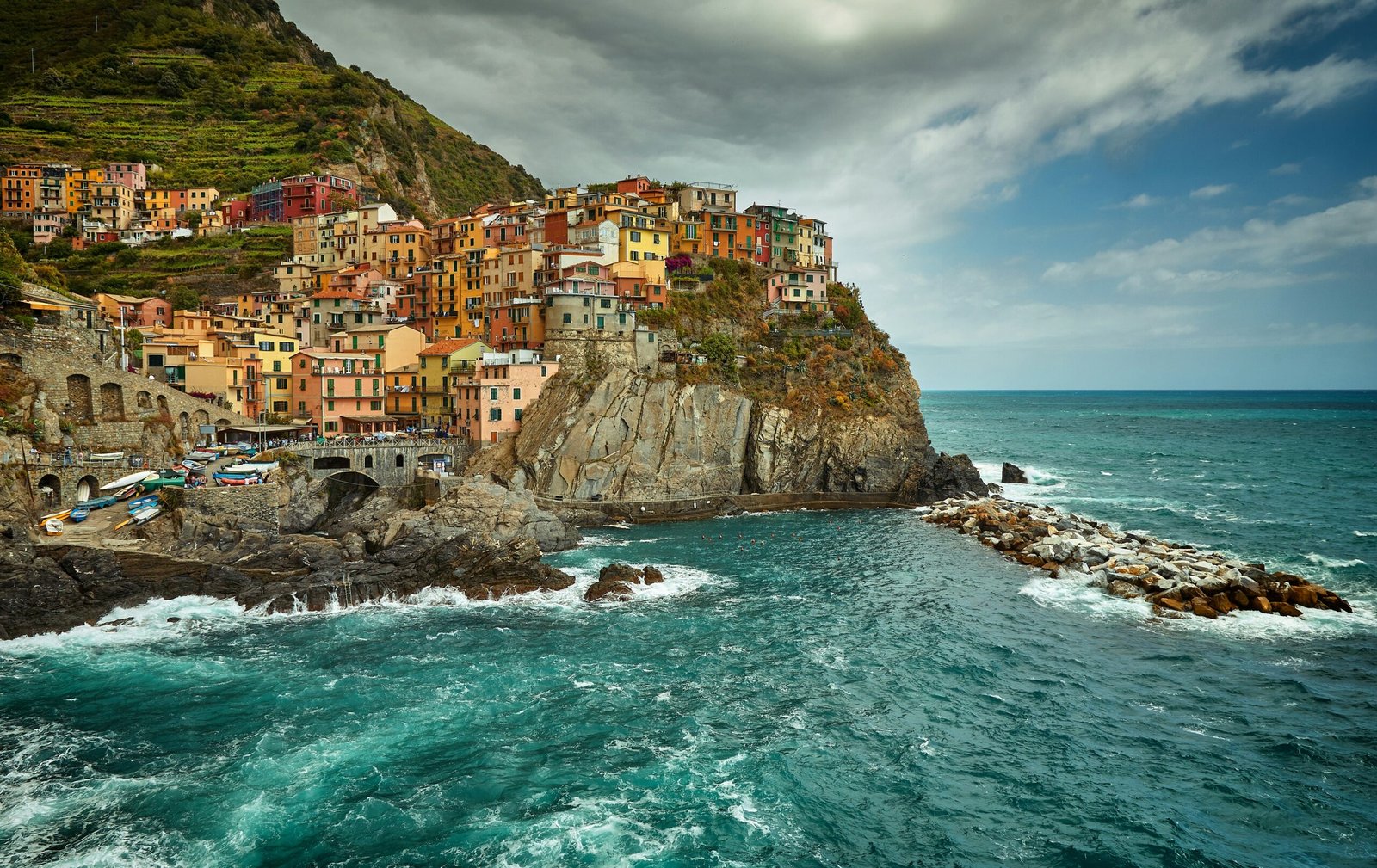
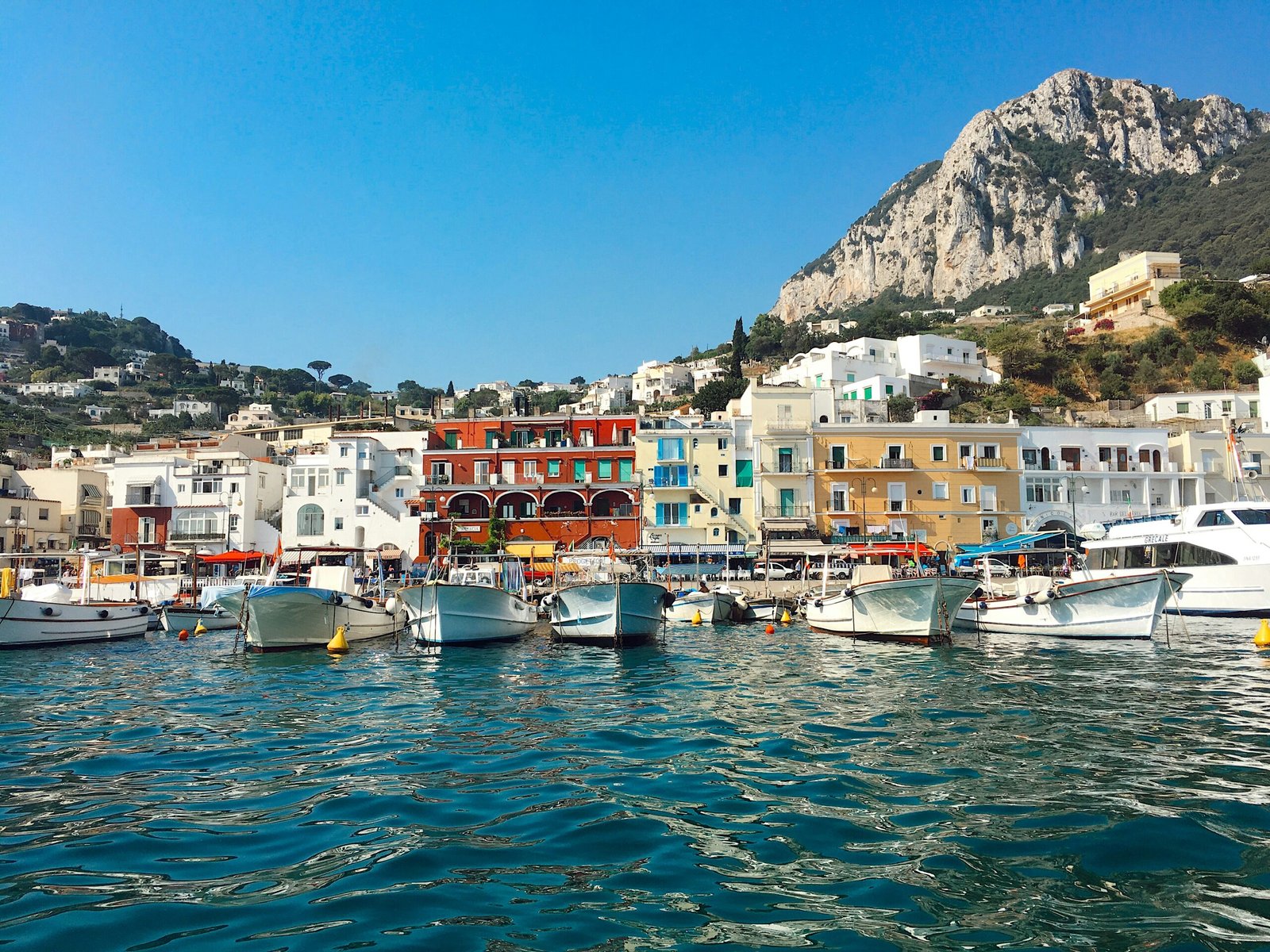
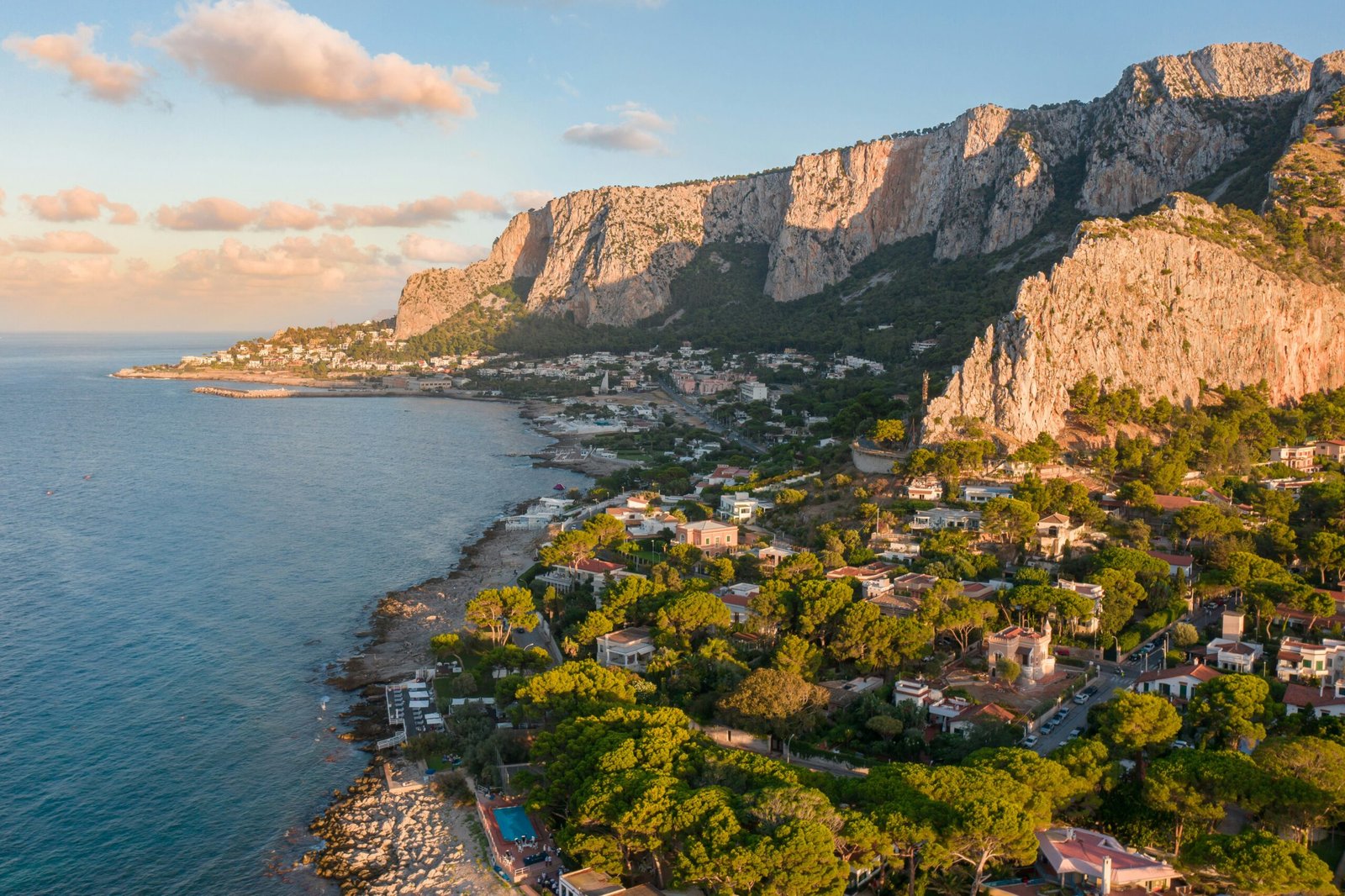
GlobeVision™ — Strategic Travel System
Analyze destinations through a territorial, logistical, and operational lens. In premium destinations, optimizing decisions can save dozens or even hundreds of euros during the trip. It also helps organize smoother routes between major points without losing hours in unnecessary transfers.
If this guide helped you understand the real structure of the journey,
the next step is to access the full system.
Strategic map of the destination
- Destination: Naples
- Country: Italy
- Guide type: city_guide
This article is part of the GlobeVision™ editorial system, designed to analyze destinations from a logistical, territorial, and strategic perspective.
🧭 Naples within the wider Southern Italy strategy
Naples is one of the main logistical nodes in southern Italy. Its position connects routes toward Pompeii, Capri, the Amalfi Coast, Herculaneum, and the wider southern system. Because of that, many decisions are not optimized only inside the city, but across the territorial structure around it.
If you want to understand how Naples fits into real routes across the south — and how to organize transfers between cities, coastlines, and islands without wasting time or money — the broader territorial guide helps complete that picture.
Conclusion
Naples performs when you apply method: territorial blocks, intermodal transport, and reservations that cut queues before they form. Avoiding backtracking can give you back 45–75 minutes per day. Validating tickets protects you from €51–€66 in preventable fines. Choosing Toledo–Municipio as your base often saves 12–18 minutes on the average transfer. With Artecard logic, measured timing, and funiculars for elevation change, the city shifts from chaotic to precise. Keep the principle simple: fewer vague impressions, more decisions. That operational change supports the entire trip.