
GlobeVision™ — Operational handbook to master travel logistics on the Amalfi Coast
- Introduction
- Amalfi Coast Operational Summary
- Quick Destination Info
- Destination Profile
- Best Places to Visit
- How to Get There
- Where to Stay
- Where to Eat
- Practical Travel Tips
- Common Mistakes and What Not to Do
- Safety and Recommendations
- Frequently Asked Questions
- Approximate Cost in This Destination
- Estimated Daily Budget
- Conclusion
Introduction
🧭 Amalfi Coast operational summary
2–3 days
€120–€280 / day
Medium
Salerno
Optimized exploration
📍 Quick destination info
- Destination type: Tourist destination
- Average climate: Mild climate
- Best time to visit: April – October
- Currency: Euro (€)
- Main language: Italian
- Tourism level: Medium
🌍 Destination profile
Amalfi Coast
Tourist destination
Medium
Medium
April – October
Medium
This operational handbook is designed to reduce friction on the Amalfi Coast, a 50 km stretch where travel success depends on two decisions: how you move and in what order you explore. The SS163 road and the ports between Vietri sul Mare and Positano work as an intermodal system with predictable bottlenecks. Between June and September, a bus ride that looks like 35 minutes on the map can stretch to 70–90 minutes because of overcrowded stops. Ferries cut travel times, but their useful window usually shrinks to 8–10 hours a day, and missing the last departures gets expensive. On land, steep terrain demands serious legs and proper footwear: walking 800 meters in Positano can mean 150–200 steps. One of the most common mistakes is treating the coast as one continuous line; in practice, it works better when divided into three operational zones: the western sector (Positano–Praiano), the central core (Amalfi–Atrani–Ravello), and the eastern axis (Minori–Maiori–Cetara–Vietri sul Mare). This guide proposes zone-based sequences, realistic gateways through Naples and Salerno, and measurable criteria for accommodation and food decisions. For a wider territorial view, it also helps to understand the broader logic of southern Italy before deciding where to base yourself. You will find 14 tips backed by numbers and 12 mistakes with measurable consequences. The goal: by the end of the trip, you should not be able to count more than 30 minutes lost to avoidable decisions. That is the benchmark.
Best places to visit
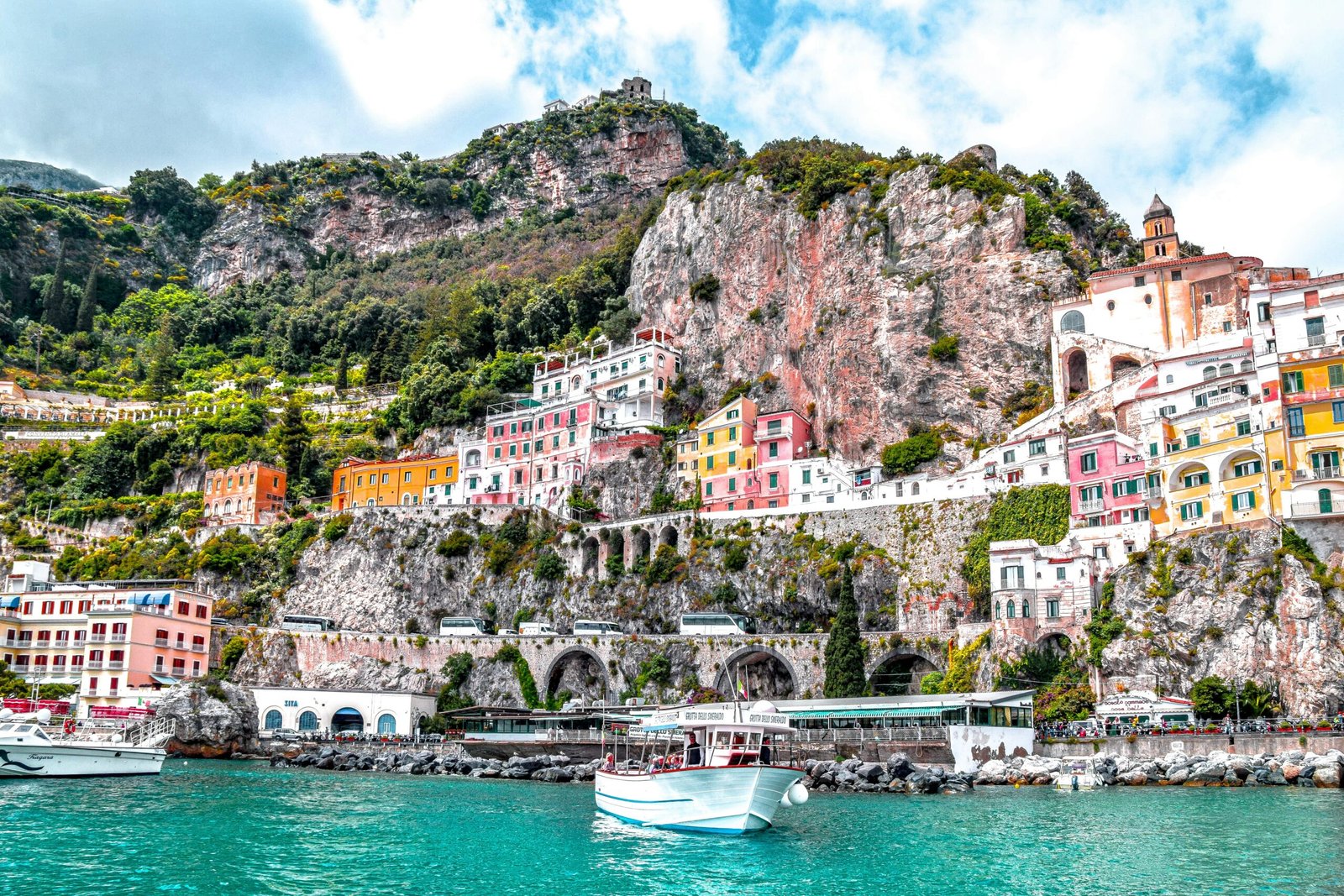
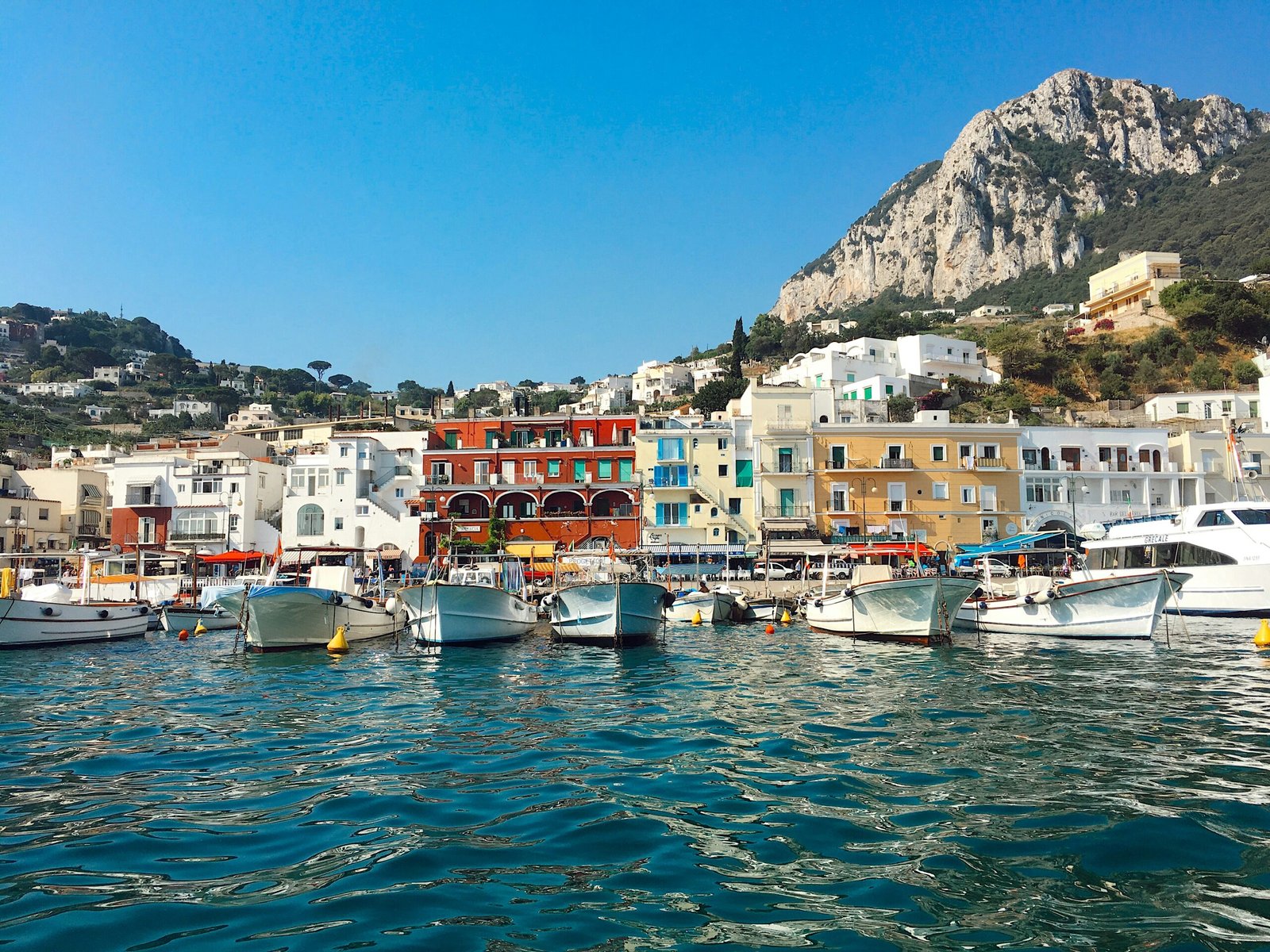
Amalfi concentrates services: the Duomo, a port with ferries every 20–40 minutes in season, and direct connections to Positano and Salerno. It is a hub, so use it as a node rather than your only base. A 400-meter walk places you between the cathedral and the docks, which is highly efficient for quick transport changes.
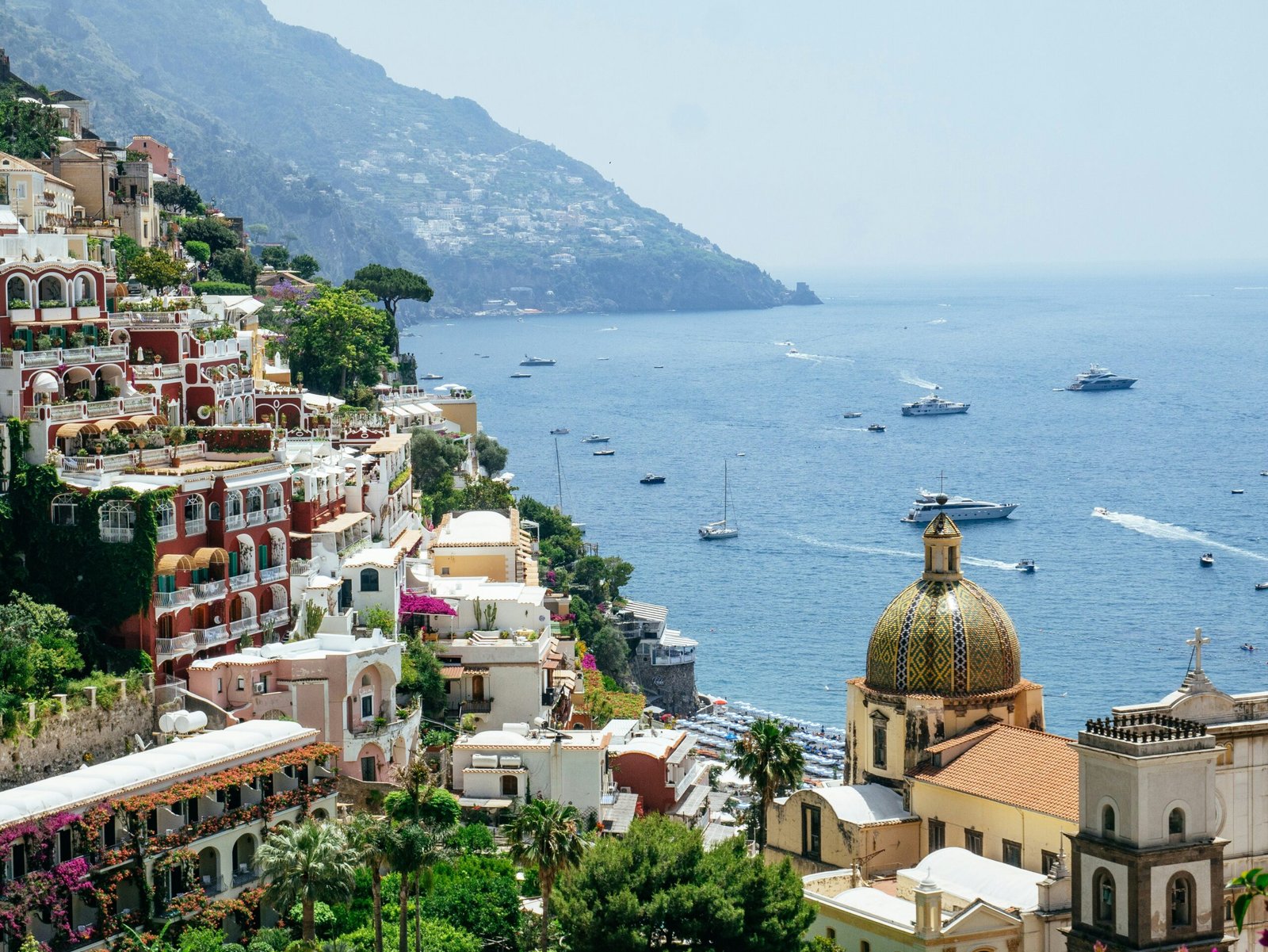
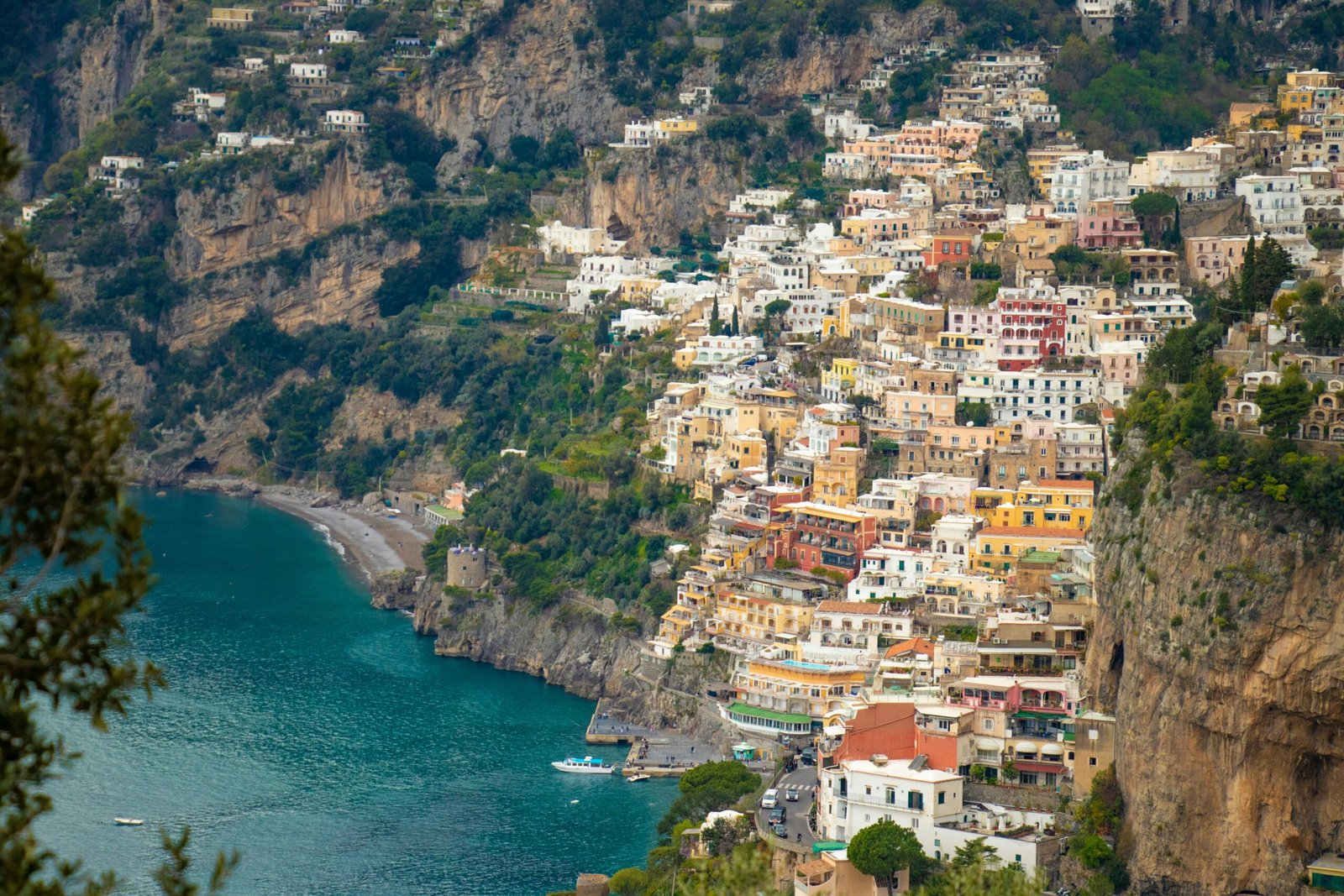
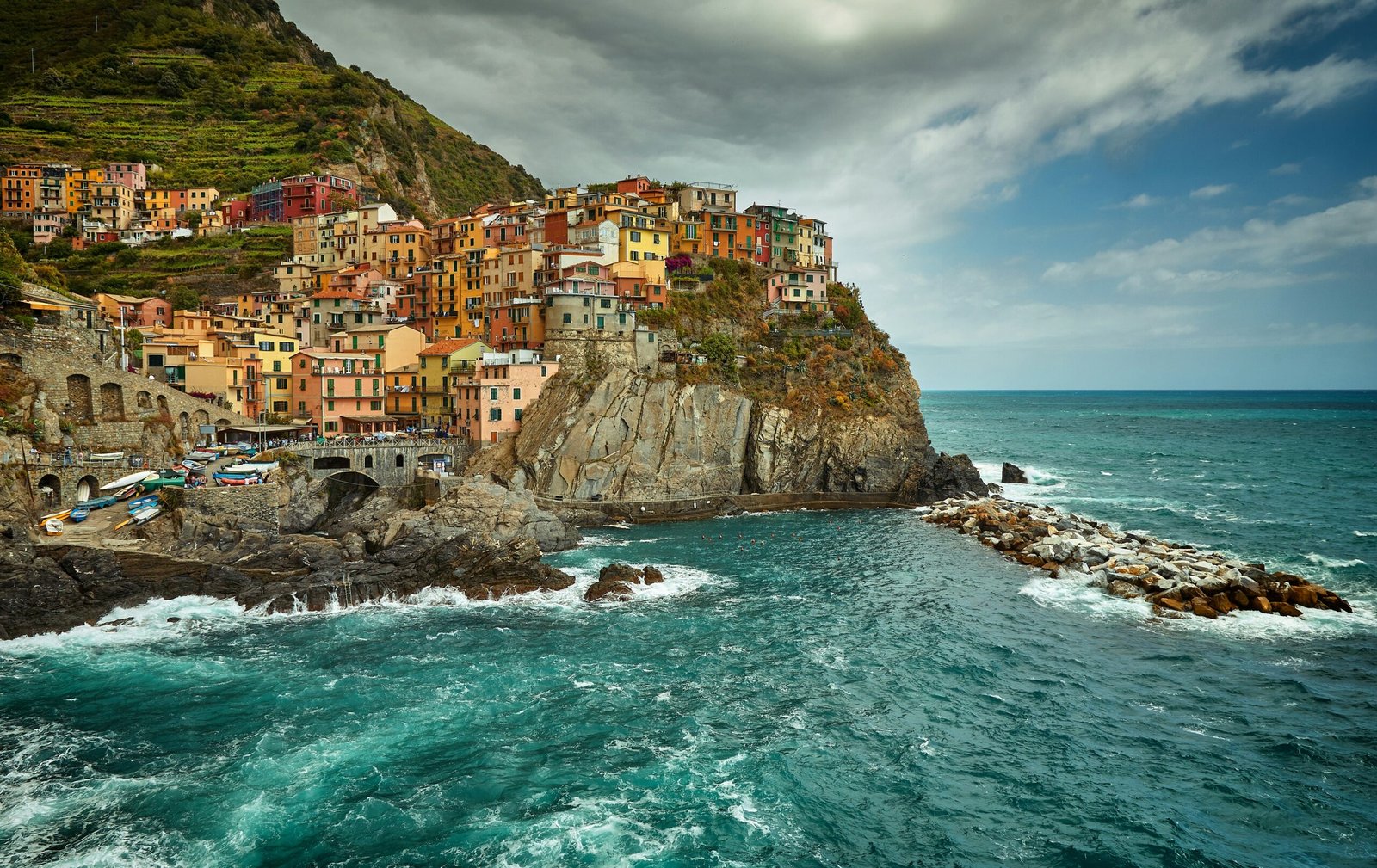
Positano is photogenic and vertical. Spiaggia Grande and Fornillo beach are 7–12 minutes apart on foot through a coastal path. Parking here is discouraging: rates of €6–€10 per hour and scarce spaces make walking and sea transport the smarter choice. Even a short coffee stop can disrupt a connection, and climbing 150 steps may easily cost you 8–10 minutes.
Ravello sits at altitude (around 350 m above sea level). Villa Rufolo and Villa Cimbrone offer iconic views, but what matters operationally is its functional isolation: 25–35 minutes by bus from Amalfi, plus waiting time. It works best as a half-day block, not between tight transfers.
Praiano, between Positano and Amalfi, is less dense. Marina di Praia and Cala della Gavitella work especially well in the afternoon. It is a good base if you want calmer logistics with reasonable ferry access through Positano (15–20 minutes by bus, 8–10 km).
Maiori and Minori, with flatter promenades, offer wider pebble beaches and lower prices. The Lemon Path between Minori and Maiori takes 1–1.5 hours with 400–500 accumulated steps. These are your most practical bases for the eastern section and for access to Salerno.
Vietri sul Mare, the eastern gateway next to Salerno (4–5 km), stands out for ceramics and train access. From the beach to Vietri sul Mare-Amalfi station: 1.1–1.4 km, around 15–18 minutes on foot. It is especially useful for arrivals and departures outside ferry hours.
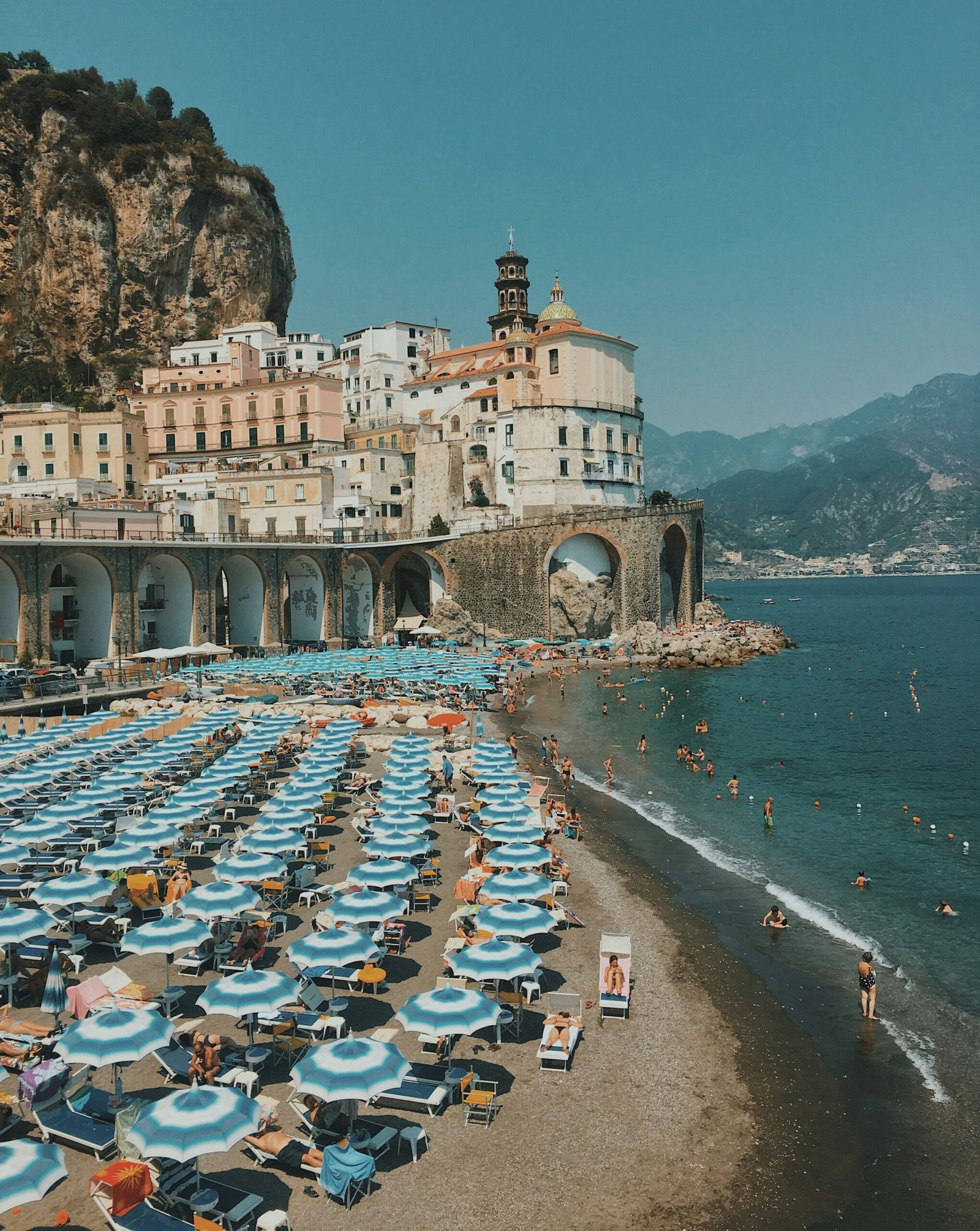
Atrani, right next to Amalfi, can be crossed on foot in 4–6 minutes through the pedestrian tunnel. If Amalfi is saturated at 12:30, having lunch in Atrani can save you 20–30 minutes of waiting for a table.
Cetara is an operational fishing enclave: anchovy colatura and a small harbor define the experience. It is 7–9 km from Salerno, and buses tend to be more reliable early in the day. It works well as an escape option if Positano or Amalfi are overcrowded.
Furore and its fjord require synchronization: the bus does not always stop when it is already full. It is better to arrive in the morning (before 10:00) or by coordinated taxi (€15–€25 from Amalfi, around 8 km).
How to get there
Main gateways: Naples (train to Sorrento via Circumvesuviana, 65–75 minutes; or ferry/ALIBUS + ferry to Positano or Amalfi in season) and Salerno (high-speed trains from Rome: 1h 30m–1h 50m; ferries to Amalfi/Positano in 35–75 minutes). If your base is in the eastern sector, prioritize Salerno; if you are targeting Positano–Praiano, use Sorrento as your launch point. This is exactly where a broader reading of southern Italy logistics becomes useful, because the Amalfi Coast rarely works well as an isolated transport system. Avoid arriving by car on weekends from June to September: checkpoints and ZTL fines can easily cost you €100–€180 on top of useless detours.
| Ways to reach the Amalfi Coast | Duration | Estimated cost | Comfort | When to choose it |
|---|---|---|---|---|
| International / domestic flight | Varies by origin | €300–€485 | High | Main access route |
| High-speed train | Fast | €71–€114 | High | Best time-price balance |
| Local public transport | Variable | €2–€5 per ride | Medium | Ideal within the destination |
| Private transfer / taxi | Fast | €31–€49 | High | Recommended with luggage |
Where to stay
Choose your base according to your operational radius. If you plan to rely on ferries and buses, Amalfi or Minori reduce transfers: 3–6 combined sailings per hour in season plus bus lines radiating outward. For budget and easy entry/exit, Maiori and Vietri sul Mare are more practical. For views without the heaviest crowds, Praiano works well. Positano only makes sense if you accept higher costs (mid-range rooms often €300–€600 in high season) and daily stair climbs. Ravello is beautiful as a base, but you must absorb an extra 25–35 minutes of vertical movement every single day. If your itinerary begins with an urban arrival, reviewing the entry logic from Naples first makes the accommodation decision much cleaner, especially when you are linking the coast with the wider structure of southern Italy.
Where to eat
Food gets more expensive right by the docks and on terrace-front locations. Move 200–400 meters into side streets and the average bill usually drops 15–25%. In Amalfi, Atrani works as an immediate release valve; in Positano, going one level up from Spiaggia Grande can cut the bill by €8–€12 per person. In Maiori and Minori, lunch menus between €18 and €28 with local fish are common. In Cetara, look for anchovy colatura and freshly fried seafood, ideally at midday before the fish market rhythm winds down.
| Dining zone type on the Amalfi Coast | Average price per person | Peak-hour risk | Recommended strategy |
|---|---|---|---|
| Central tourist area | €25–€40 | High | Book ahead or avoid 13:00–15:00 |
| Local neighborhoods | €20–€32 | Medium | Best value for money |
| Quick options | €12–€20 | Low | Perfect when optimizing time |

Practical travel tips
Tip 1 — Book 90–120 days ahead in high season. Between June 15 and September 10, occupancy often exceeds 85% in Positano and 75% in Amalfi. Booking late can raise average rates by 35–50% and push you into less useful areas. Micro-scene: 08:10, you open the booking engine and see Positano at €420 per night. Eight days later, same date at €580. Booking early saves you €160 per night. Flexible cancellation (free until 7–14 days before arrival) gives you operational breathing room.
Tip 2 — Use ferries to skip bottlenecks. On the Positano–Amalfi section, the ferry takes 20–25 minutes; the bus can take 50–80 with packed stops. Buy round trip if you expect to return after 17:00; the last seats often disappear 30–45 minutes before departure. Micro-scene: 16:55 in Amalfi, 60-meter line; no more seats for the 17:10 departure. A ticket purchased at 11:00 guarantees your return and avoids a €70–€100 taxi.
Tip 3 — Adjust schedules using real matrices. First ferry is usually around 08:30–09:00, last one around 18:30–19:30 in summer; buses run every 20–40 minutes, but at 10:30 and 17:30 they may skip stops due to capacity. Micro-scene: 10:35 at Positano Sponda, the bus passes full and does not stop; the next one arrives 24 minutes later. Leaving at 09:05 would have placed you on a lower-density service and saved you 25 minutes of dead time.
Tip 4 — Wear footwear with gripping soles and solid toe protection. In Fornillo and Marina di Praia there are pebbles, and 600–900 meters of stairs in a day are not unusual. Urban sandals mean slipping and a compromised ankle. Micro-scene: 19:20, wet staircase in Amalfi (20 steps). With Vibram-style grip you keep moving; with smooth soles you lose 3–5 minutes per stretch clinging to the railing. One bad slip can cost you the rest of the day.
Tip 5 — Carry cash. In Cetara and Atrani, some small bars require a minimum of €10–€15 for cards or apply an informal €1–€2 surcharge. Micro-scene: 07:50, you order an espresso and cornetto (€3.20); card not accepted, and the ATM is 400 meters away, 6 minutes round trip. Coins ready = pace preserved. An envelope with €60–€80 in small bills solves breakfasts and tips without friction.
Tip 6 — Lock in tables by time slot. Between 12:45 and 14:30, average wait in Amalfi is 20–35 minutes; in Positano, 30–50. Book for 12:15 or 19:00 and you sit down without queuing. Micro-scene: 12:10, Atrani. You arrive 5 minutes before your reservation and sit immediately. Two streets away, the line is already 14 people long. That saves you 25 minutes and avoids a rushed meal.
Tip 7 — Be disciplined with sun protection. UV index 7–9 in summer; 20 minutes without a hat on a boat can ruin your afternoon. Micro-scene: 10:20, ferry deck between Amalfi and Positano. SPF50 every 2 hours, wide-brim hat, and sunglasses. You get off ready for stairs; without that, you end up buying aftersun for €12–€15 and slowing down the rest of the day.
Tip 8 — Start early for Ravello views. The 08:30 bus usually runs at half load; after 10:00 density rises. Villa Cimbrone opens around 09:00; arriving at 09:10 gives you 20–30 minutes without crossing through other people’s photos. Micro-scene: 09:15, Terrace of Infinity with no groups. You go back down to Amalfi on the 11:10 bus with seats still available. Much higher yield.
Tip 9 — Segment the coast into two daily blocks. In the morning, focus on the central sector (Amalfi–Atrani–Ravello); in the afternoon, move to broader beaches (Maiori–Minori) or Praiano for sunset. Micro-scene: 08:40 Amalfi Duomo, 11:30 bus to Ravello, 14:10 descent, 15:05 ferry to Minori. In 35 minutes you are already on your towel. The day flows without 40-minute waits at key stops.
Tip 10 — Use offline maps and water points. In Minori and Maiori, public fountains are often 300–600 meters apart. Carry a 0.75 L bottle; buying cold water on the beach costs €1.50–€2.50. Micro-scene: 13:30, climb to Torre Normanna in Maiori; you refill at a fountain 200 meters away. You avoid spending €5 on two bottles and reduce sun exposure by 3–4 minutes.
Tip 11 — Reserve small boats with skipper 48–72 hours ahead. Price: €55–€120 per person depending on duration. Micro-scene: 09:00, Amalfi dock. No more places left for the 10:00 departure. Your booking from the day before places you at the front. By 13:00 the sea gets choppier; you return without heavy seasickness and without paying an extra €20 for a later slot.
Tip 12 — For Fiordo di Furore, arrive before 09:30. After that, the beach saturates and the bus does not always stop. Micro-scene: 09:20, you get off at curve 23; 7-minute descent. At 10:40 you watch three full buses pass toward Amalfi. You climb 18 minutes to a safer pickup point and call a local taxi (€20). Arriving early avoids that cost.
Tip 13 — If you are traveling by car, park in Salerno or Sorrento and pivot by ferry. Parking in Positano: €6–€10/hour; 8 hours = €48–€80. In Salerno, €15–€25/day. Micro-scene: 08:00, you leave the car in Salerno, ferry at 08:40 to Amalfi (35–45 minutes). By 18:30 you return without ZTL stress. Difference: €30–€55 saved and 20 fewer minutes wasted hunting for a spot.
Tip 14 — Build a weather contingency plan. Wind above 20 knots can cancel ferries; buses then become crowded fast. Micro-scene: 08:05, sign reads “Services suspended.” Plan B: walk Amalfi–Minori (2.6 km, 35–40 minutes), then local bus to Maiori every 20 minutes. You avoid standing still on the dock for 60 minutes and keep territorial progress moving.

Common mistakes and what NOT to do
Mistake 1 — Underestimating transfers. The map lies: 10 km can mean 55–80 minutes by bus during peak periods. Micro-scene: 16:10, Positano Sponda; you planned Amalfi–Ravello–Amalfi–Positano in one afternoon. Result: 2 hours of total waiting and €30 spent on stress snacks. Rule: maximum two transport-mode changes per time block, and do not mix mountain routes (Ravello) with late-day sea transfers.
Mistake 2 — Not booking restaurants in season. Arrive at 13:30 in Amalfi without a booking and you may wait 30–45 minutes. Micro-scene: line of 18 people, sun straight on your face. You end up in an overpriced dockside place: +€9–€12 per person. Fix: book for 12:15 or 19:00 and move 250–400 meters away from the waterfront.
Mistake 3 — Trying to “see everything” in one day. Positano + Amalfi + Ravello + Minori in 8 hours is not realistic with any quality. Micro-scene: 11:05, you are still on the bus to Ravello; by 14:30 you have already given up on Minori. You lose €20 on an unused ferry ticket. Split it into two days and group by vertical and horizontal proximity.
Mistake 4 — Ignoring ZTL zones and parking logic. Entering a restricted village can cost you a €100–€180 fine plus stress. Micro-scene: 10:50, wrong turn in Positano; camera catches you. Fifteen days later, the letter arrives at home. Park in Salerno or Sorrento and use ferries; or choose Maiori/Minori where daily parking is more manageable (€15–€25).
Mistake 5 — Not checking the weather before a boat excursion. Wind at 22–25 knots ruins coves and sea caves; the skipper changes route or cancels. Micro-scene: 08:30, status reads “suspended”; you lose 40 minutes waiting for confirmation. A land-based fallback (Lemon Path, 1–1.5 h) saves the morning.
Mistake 6 — Leaving late for Ravello. By 11:00 the bus can already be standing-room only. Micro-scene: 11:25, 28 minutes of line under the sun. You arrive at 12:10 and the visit gets compressed. Go up between 08:30 and 09:00 and recover 40 minutes of usable margin.
Mistake 7 — Assuming all beaches are sandy. Many are pebbled; without water shoes, every step hurts and you move slower. Micro-scene: 15:10, Fornillo; it takes you 6 minutes to get into the water because of discomfort. A pair of €12–€18 water shoes removes friction and avoids cuts.
Mistake 8 — Depending on the last ferry without an alternative. Micro-scene: 19:05, last return sailing canceled. Amalfi–Positano taxi: €70–€100; overcrowded bus passes by without stopping. Rule: take the second-to-last ferry or secure round-trip tickets, and leave a 60-minute buffer if you are connecting to a train.
Mistake 9 — Forgetting water on hikes. The Atrani–Ravello climb takes around 1h 20m for untrained walkers, with 4–5 stretches lacking shade. Micro-scene: 10:50, you buy two bottles at €2.50 each; €5 wasted and 8 minutes lost looking for a kiosk. Carry 0.75–1 L and refill where possible.
Mistake 10 — Improvising airport-to-coast transport. Landing in Naples at 19:00 limits ferry options; if you do not plan SITA bus or transfer, you may pay €120–€160 for a taxi. Micro-scene: 19:40, dock already closed in Positano; hotel is 1.1 km uphill. Plan Salerno or Sorrento access according to your base.
Mistake 11 — Sitting in first-line dockside bars out of inertia. Micro-scene: 12:50, Amalfi; you pay €7 for espresso and water. Two streets back, the same order costs €3.50. Walking 200 meters saves €3–€5 per stop.
Mistake 12 — Carrying large suitcases in Positano. 23 kg over stairs destroys pace and adds 20 extra minutes per section. Micro-scene: 17:20, you climb 160 steps with a trolley; wheels hit every stair and you stop every 12 steps. A 40 L backpack with padded straps and free hands changes the whole game.
Safety and recommendations
Safety here is operational: your biggest risks come from the combination of density, narrow routes, and sun exposure. First rule: control your positioning at stops and boarding points. Micro-scene: 10:40, SITA stop at Positano Sponda. Two buses arrive in 6 minutes; density around the stop reaches 90–120 people. Action: stand 1–2 meters before the pole, ticket in hand, backpack on your chest, phone zipped away. That reduces pushing and opportunistic theft risk. Build in 12–18 extra minutes during peak hours; if you see two full buses pass by, walk 250–400 meters downhill to the next stop (3–5 minutes) for a better boarding chance. Always keep an escape angle: wall on one side, eyes on the door.
At docks and gangways, the main risk is slipping because of wake spray. Micro-scene: 17:05, Amalfi dock with light swell; the wake from a catamaran wets the platform in 3–4 seconds. Action: wait 30–40 cm from the edge, feet parallel, one hand free. If you carry a trolley, board first without full weight or use the arm strap to keep three points of support. Avoid taking photos with your back to the water while boats are docking or departing: one second focused on the camera can cost you a fall and 2–3 hours in a medical center. If you are with children, keep a hand or railing locked in; boarding density can reach 200 people in 4 minutes, and pushing is real.
On the SS163 road, shoulders are narrow and curves are blind. Micro-scene: 18:30, bend between Praiano and Furore; low sun blinds the view and a bus takes almost the full lane. Action: if walking, stay on the wall side rather than the cliff side, and wear reflective clothing or a clip light (10 g, €8–€12). Keep 30–40 cm from the edge. If driving, hold 25–35 km/h in pedestrian sections and use low gears on descents to avoid overheating brakes. In August, road surface temperature can exceed 40 °C at 15:00; soft tires degrade faster. Avoid last-second maneuvers toward full parking areas: one failed turn can cost you a mirror and €200–€300.
Hydration and heat management are non-negotiable. Micro-scene: 13:10, stairs to Villa Cimbrone. Two sections without shade, 11 minutes of exposure. Action: 500–750 ml of water per hour under sun, hat, and 3-minute pauses every 20–25 minutes of ascent. If you feel dizzy or notice cold skin, get into shade immediately and take electrolytes (1 sachet per 500 ml). The cost of ignoring this is losing the rest of the afternoon. On pebble beaches, 10 minutes barefoot under full sun can mean 2–3 small blisters; wear water shoes or move through damp areas. A small aloe gel (50–100 ml) helps cool the skin; €8–€12 can save you a pharmacy stop at peak hour.
Manage belongings smartly without paranoia. Micro-scene: 19:10, Amalfi Cathedral, 120 people exit into the square in 2 minutes after mass. Action: put your phone away before crossing the door, keep your wallet in a zipped front pocket, close your backpack, and if you stop, stand close to a wall rather than in the traffic flow. Do not leave bags unattended on the beach within 5 meters of the water; one wave and a 60-second distraction are enough to lose everything. Use dry bags (€10–€15) with roll-top closure; if you swim, at least keep keys and documents with you. That reduces real risk without changing your route.
Frequently asked questions (FAQ)
What is the best time to visit the Amalfi Coast? Between May and mid-June, and from mid-September to October. July and August offer more ferry departures, but also higher density and prices that are often 25–40% higher. In May and October, ferries still maintain useful service patterns, even if hours are slightly shorter, and the climate allows walking without heat exhaustion. Micro-scene: 09:00 on a Tuesday in October, you enter Villa Rufolo with no line; in August at the same hour, you wait 12–18 minutes. If you want swimmable conditions, June and September usually offer the best balance between warm water and manageable logistics.
Is it necessary to rent a car to explore the region? No, and in many cases it makes things worse. Parking in Positano is €6–€10 per hour; over 8 hours that is €48–€80. With a base in Amalfi or Minori and ferry use, key nodes can be covered in 20–25 minutes. Micro-scene: 08:40, Amalfi–Positano ferry, seated with the view; 09:05 you disembark. By car, that same stretch can demand 50–70 minutes, stress, and ZTL risk. Use a car only if your accommodation lies outside the main axes or you are traveling in very low season with sustained bad weather.
How much time is recommended for the Amalfi Coast? A minimum of 3 nights for an operational overview: one day for Amalfi–Ravello, another for Positano–Praiano, and one block for Minori–Maiori or Cetara. With 5 nights, you can split bases (2+3) and reduce dead time by 30–40%. Micro-scene: 15:05, you switch from Minori to Amalfi by ferry in 12 minutes and connect to a Ravello bus without lining up; with a badly chosen single base, that can become two 45-minute rides.
Can the Amalfi Coast be visited using public transport? Yes, by combining ferries (20–75 minutes between key nodes) and buses (20–40 minutes between neighboring towns). Buy ferry tickets in the morning and validate SITA tickets before boarding. Micro-scene: 10:30, Amalfi; you buy round trip to Positano and secure a seat on the 17:10 return. That kind of foresight avoids a €70–€100 taxi at the end of the day.
Which towns should I not miss? Core set: Amalfi for its hub function and cathedral, Positano for its vertical amphitheater, Ravello for elevated views, and at least one eastern-axis town like Minori or Cetara for lower density and better-value food. Micro-scene: 12:40, Minori; lunch menu €22 with no wait. Five kilometers away in Amalfi, €30–€35 and 20 minutes in line. That mix balances aesthetics and efficiency.
Where are the best beaches? Fornillo (Positano) if you accept stairs and pebbles; Marina di Praia (Praiano) for a sheltered afternoon; Maiori for width and flat access; Minori for families needing simple logistics. Micro-scene: 16:00, Maiori: 200 meters of open beachfront, towel down in 3 minutes. In Positano, Spiaggia Grande at the same hour may take 8–12 minutes just to find a spot.
Is it safe to travel along the Amalfi Coast? Yes, with attention to crowd density, roads, and sun. Tourist areas generally have police presence and low risk of serious incidents. Your real points of attention are slips at docks, poorly managed belongings in crowds, and steep descents. Micro-scene: 18:20, wet staircase in Amalfi; hand on the railing, phone away. Twenty seconds of discipline can save you 2 hours in urgent care.
What type of accommodation is most advisable? If mobility is the priority, Amalfi or Minori work best for the central and eastern radius. If views matter more, Positano or Ravello deliver, but with 25–60% higher costs and daily stairs. Micro-scene: you choose Minori at €170/night instead of Positano at €420; the savings cover ferries and two strong meals without hurting your timing. For drivers, Vietri or Maiori offer more reasonable parking (€15–€25/day).
Where can I take ferries between towns? Main ports: Amalfi, Positano, and Salerno; Minori and Maiori also have selective departures. Buy with time margin, especially for returns between 16:30 and 18:30. Micro-scene: 09:10, Amalfi ticket office, you buy two return tickets for 17:10. At 16:45 the queue is 70 people long; your ticket guarantees boarding without overpaying.
What local specialties should I try? Limoncello from Minori/Maiori, anchovy colatura in Cetara, scialatielli ai frutti di mare, and delizia al limone. Micro-scene: 13:15, Cetara; pasta with colatura €16–€20, catch of the day €22–€28. Two streets behind the harbor, similar quality for €4–€6 less and no 20-minute wait. A 300–400 meter adjustment affects both budget and time.
📊 GlobeVision™ Indicators
High
Medium
Medium
High
💰 Approximate cost in this destination
| Item | Approximate price |
|---|---|
| 3★ hotel | €119–€210 / night |
| 4★ hotel | €221–€390 / night |
| Restaurant meal | €30–€53 |
| Local transport | €5–€9 |
💵 Estimated daily budget
| Travel style | Approximate daily spend |
|---|---|
| Budget trip | €105–€126 |
| Mid-range trip | €140–€338 |
| Comfort trip | €260–€520 |
GlobeVision™ — Strategic Travel System
Analyze destinations through a territorial, logistical, and operational lens. In premium destinations, optimizing decisions can save dozens or even hundreds of euros during the trip. It also helps organize smoother routes between natural highlights without losing hours in unnecessary transfers.
If this guide helped you understand the real structure of the journey,
the next step is to access the full system.
Territorial analysis · Logistics optimization · Smart decisions
Strategic map of the destination
- Destination: Amalfi Coast
- Country: Italy
- Guide type: coastal_guide
This article is part of the GlobeVision™ editorial system, designed to analyze destinations from a logistical, territorial, and strategic perspective.
🧭 Explore more related destinations
Conclusion
The Amalfi Coast performs best when you commit to sequence: divide the territory into zones, choose one or two bases, and move pieces by ferry with bus backup. You avoid fines, 30–50 minute waits, and food and hotel surcharges of 20–40%. If you end each day on the second-to-last ferry, book meals outside peak windows, and control luggage and footwear, the trip becomes predictable. That is the target: turn a beautiful but congestion-prone territory into an itinerary that does not collapse because of small decisions. With that, your margin for error drops close to zero.