
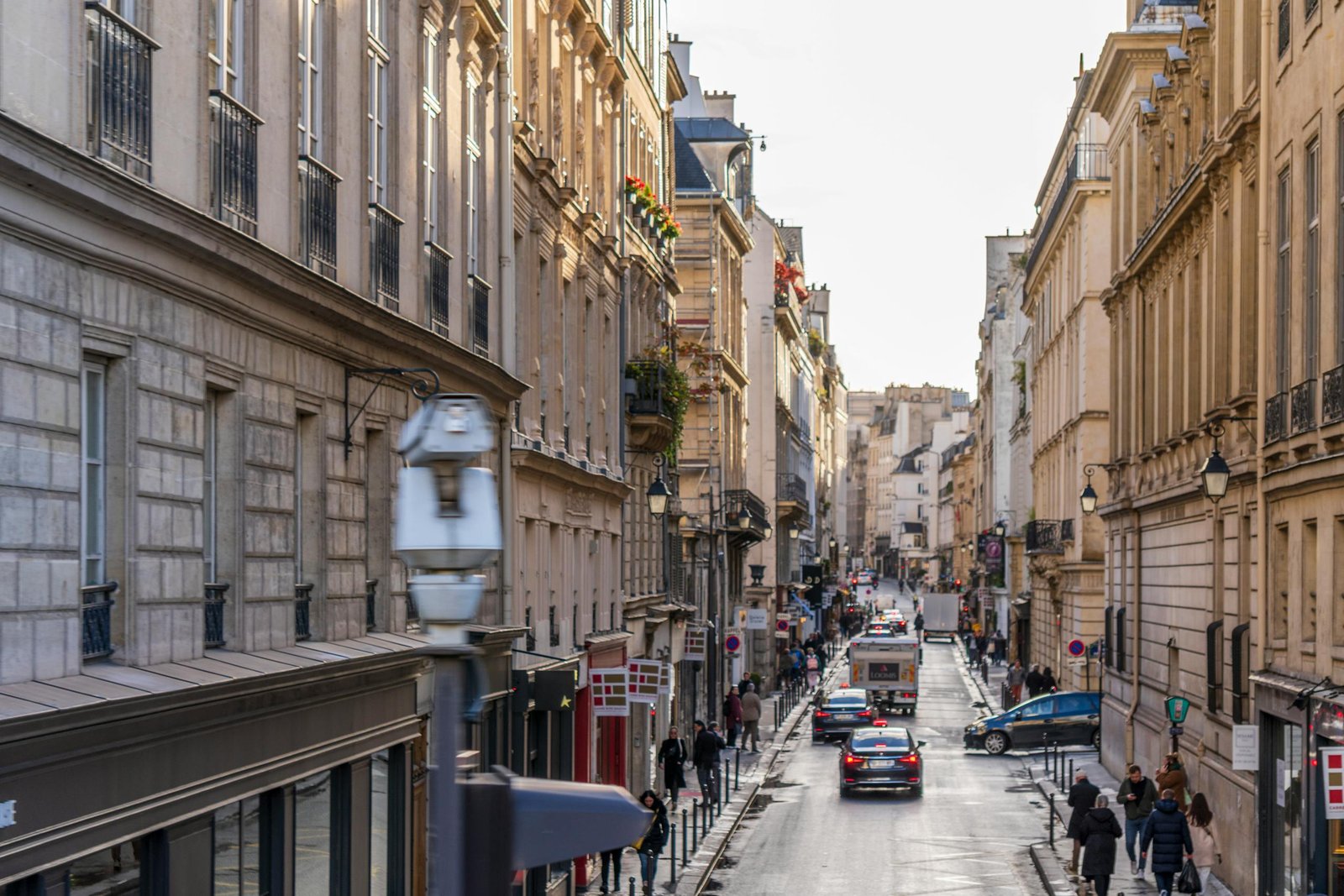
GlobeVision™ — A strategic guide to planning a smooth route through Paris
📊 GlobeVision™ Strategic Index
🧭 Paris operational summary
High
High
Medium
Medium
🌍 Quick destination keys
Introduction
📊 Practical data for Paris
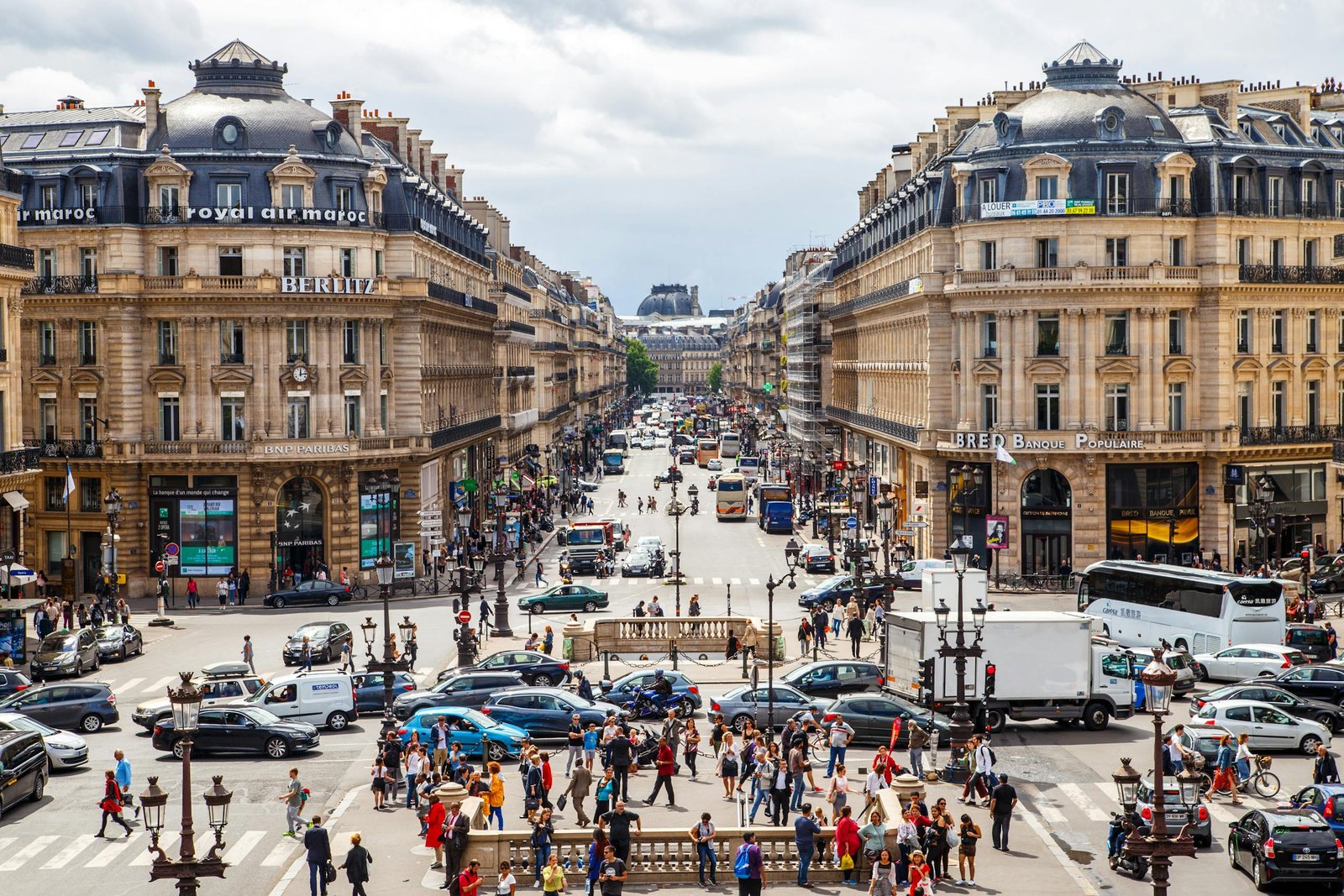
What to book before traveling to Paris is not a minor question. This guide reduces friction in Paris by defining what to book, how far in advance to do it, and how to connect accommodation, transport, timed entries, insurance, and mobile data so you do not lose time or pay unnecessary premiums.
The key decision is to secure the bottlenecks first: accommodation based on area and mobility, airport transfers, time slots for high-demand attractions, and the services that match your travel profile — arrival time, tolerance for transfers, luggage, and children. Here you will find the best booking windows, the right criteria for choosing, and the mistakes that most inflate a normal 4–6 night trip.
Mental map of the destination

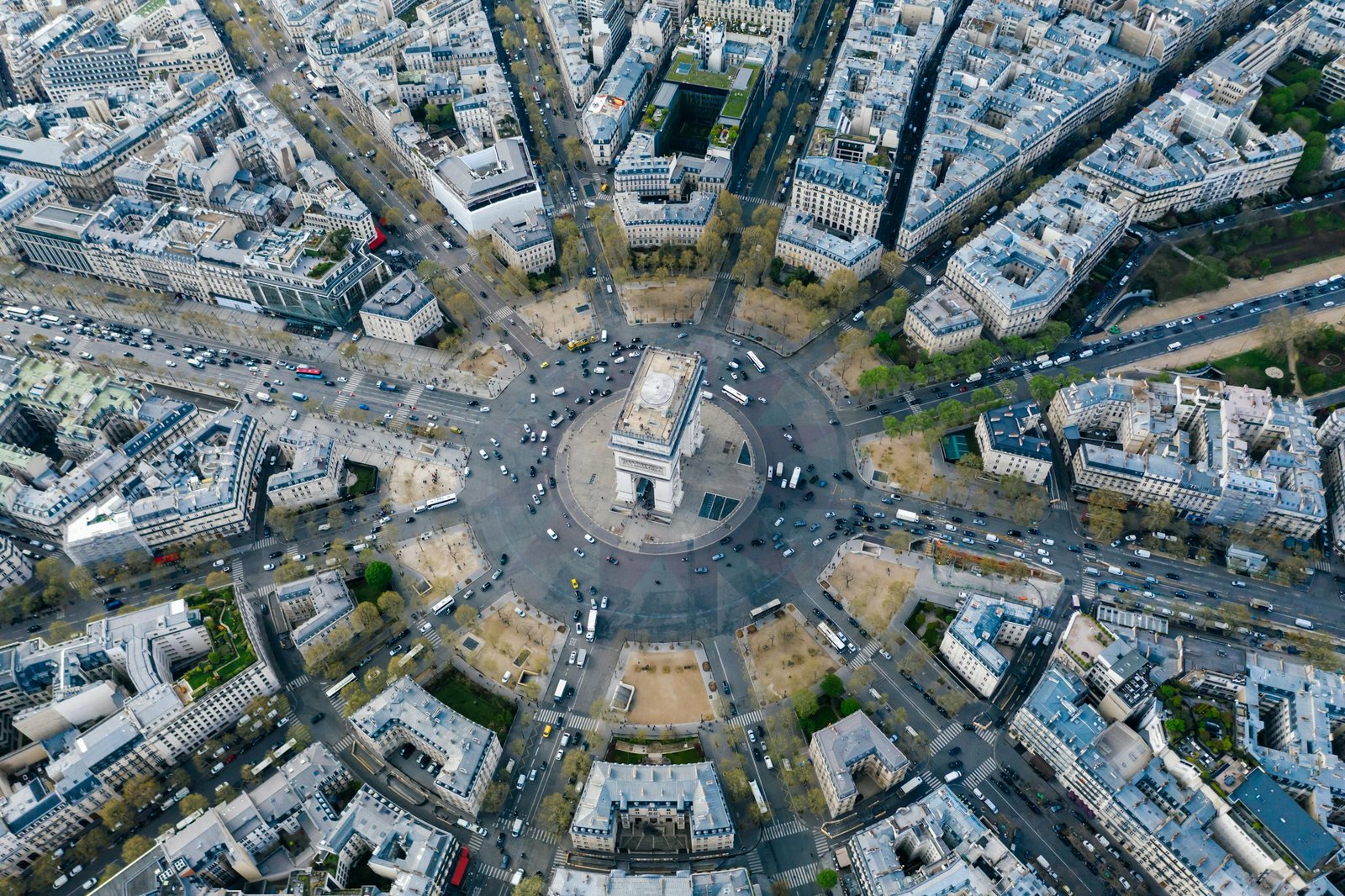
Paris is organized into 20 arrondissements arranged in a spiral from the 1st (Louvre, Palais-Royal) out to the inner edge (17th–20th). Two practical rings stand out: the historic center (1st–4th), the western cultural and shopping axis (7th–8th, 16th), and the livelier eastern side with a better cost-benefit ratio (9th–11th, and filtered parts of the 18th–20th). Three airports matter: CDG to the northeast (RER B + connections), ORY to the south (Orlyval + RER B or OrlyBus), and BVA farther away (bus to Porte Maillot).
Rail nodes include Gare du Nord, Gare de l’Est, Gare de Lyon, Montparnasse, and Saint-Lazare. Basic mobility relies on the Metro, RER for faster axes, and buses when a metro route would require too many transfers or awkward stairs.
High-pressure zones with timing sensitivity include the Eiffel Tower, Louvre, Sainte-Chapelle/Notre-Dame, Montmartre, Le Marais, and Saint-Germain. — You can go deeper here: Travel to Paris without fines, scams, or queues: decisions and checklist.
How to arrive

Choose the airport solution based on arrival time, luggage, and tolerance for transfers. CDG is the most connected: direct RER B to Châtelet-Les Halles in about 35–40 minutes, or RoissyBus to Opéra if you travel with large suitcases and want fewer stairs. ORY: OrlyBus to Denfert-Rochereau is often simpler than Orlyval + RER B for families with two or more large bags; in off-peak hours Orlyval is faster.
BVA only makes sense if the saving is greater than €80–€100 per person once you include the official bus to Porte Maillot and the last urban leg. If you arrive by train, choose the station that minimizes metro transfers and stairs to your hotel. Avoid Uber from CDG/ORY in rush periods: waiting times often rise by 20–40 minutes, while official fixed-fare taxis can be more predictable for either bank.
Transport costs in Paris
| Public transport | €5 – €9 |
| Taxi | €43 – €86 |
Where to stay

Accommodation should be read as a movement network, not as a postcard. Center (1st–4th): walking times and 1–2 stops from major points; high cost, moderate noise. Left Bank 5th–7th: balance between neighborhood cafés, calmer nights, and good connectivity, with premium pricing in the 6th–7th. Axis 8th–9th: excellent connections (Saint-Lazare, Opéra, Grands Boulevards), easy for CDG and the northern stations, mid-high prices.
Le Marais (3rd–4th): strong food density, narrow streets, and a useful bus backup when the metro is saturated. Montmartre and southern 18th: better views and prices, but frequent slopes and stairs. 10th–11th: often strong price-value ratio with good metro access, though with nightlife-related noise.
Residential 12th–15th: functional hotels with more stable prices and less tourist saturation, but you must calculate transfers carefully for intense itineraries. — Recommended guide: Paris without tourist traps: a real checklist for transport, entries, and safety
Best areas to stay in Paris
| 3★ hotel | €134 – €218 |
| 4★ hotel | €250 – €406 |
How to choose where to stay based on your profile

If your 72-hour agenda concentrates on the Louvre, Île de la Cité, Le Marais, and shopping around Rivoli/Saint-Honoré, prioritize the 1st–4th with a hotel within 400 meters of a station served by Line 1 or 4: that reduces most movements to a maximum of one transfer, helping you amortize the higher nightly rate through usable time.
Families with strollers or two or more large bags should prioritize the 5th–7th or 8th–9th near stations with working elevators or structural bus lines; avoid steep streets in the 18th.
If you travel with Eurostar or northern TGV routes, staying in the 9th–10th within 600 meters of Nord/Est can remove the risk of late-night closures and saturated taxis. For very early ORY flights, the 13th–14th with a direct Denfert–OrlyBus connection reduces uncertainty.
If you want the Eiffel Tower at sunset for two straight days, the 7th or the 15th side near Line 6 reduces repeated waiting. On a tighter budget, parts of the 11th and safer edges of the 12th–15th allow solid hotels with stable 20–30 minute times toward the main points, but you must filter weekend noise carefully if you go to bed early.
Practical travel tips
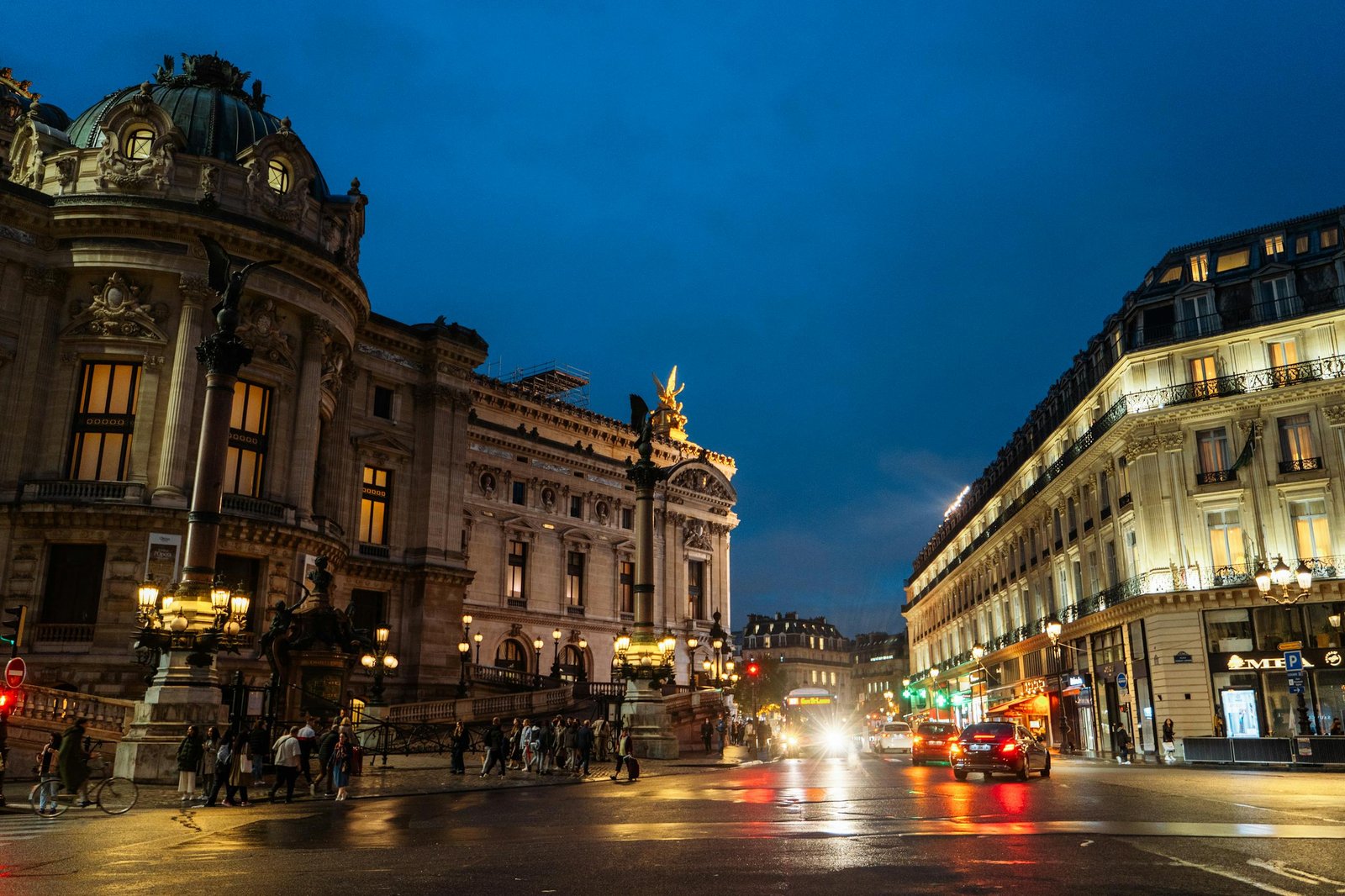
Micro-scene: 7:10 a.m., CDG Terminal 2. You arrive 25 minutes earlier than expected and the queue for RER B is already around 60 people. Action: load 2 Navigo Easy cards in one payment and validate separately; avoid the counter. The saving is double: around 14 minutes less than the staffed desk and fewer ticketing mistakes under pressure. Keep the Bonjour RATP app with alerts active; if it detects trouble on Line B, execute plan B with RoissyBus to Opéra and then Line 7 or 8 depending on your hotel, adding 12–18 minutes but avoiding a full blockage.
Micro-scene: 8:55 a.m., Le Marais. You have a Louvre slot at 9:30 and the main access already has a line stretching 120 meters. Action: enter through Passage Richelieu or Carrousel if your ticket allows it; synchronize your arrival 35 minutes ahead. This reduces 25–40 minutes of waiting and preserves energy for 3 hours of museum time. If you travel with children, define an exit point inside the Sully wing once you pass 90 minutes. A 500 ml water bottle per person avoids €3–€4 emergency purchases in overheated zones.
Micro-scene: 6:20 p.m., Trocadéro. You want golden-hour photos and the esplanade is saturated. Action: climb 7 minutes toward the upper gardens and plan two 10-minute windows; if a group of 30 appears, shift laterally on the east terrace. You avoid the most chaotic clusters and reduce exposure to common distraction tactics. Shoot in burst mode for 30 seconds and leave the point; do not repeat the same stop on the way back.
Micro-scene: 9:05 p.m., Boulevard Saint-Germain. Bus 63 arrives in 4 minutes, but you travel with two 23 kg suitcases. Action: take an official taxi from the marked stand; if there are two adults, the marginal cost compared with surge-priced rides is often lower and you leave earlier. If the route crosses the Seine, confirm the bridge choice with the driver to avoid works. This removes one transfer and several flights of stairs in stations without active elevator support.
Micro-scene: 10:40 a.m., Île de la Cité. The 11:00 Sainte-Chapelle slot is sold out on the spot. Action: buy 72 hours in advance and book the 9:00–10:00 band, or use 5:30 p.m. on weekdays. This reduces the wait to 10–15 minutes and avoids inflated combination offers. Pair the visit with the Conciergerie in the same band to minimize extra crossings around Pont Neuf, where group-tour flows often double at noon.
Micro-scene: 7:55 a.m., Gare du Nord. You arrive with Eurostar and need data. Action: activate an international eSIM 24 hours earlier (€8–€15 for 5–10 GB) and avoid looking for a physical SIM. Identity checks and setup take 3 minutes in the hotel, not in the station. You save roughly 20 minutes of pointless wandering and reduce the chance of overpriced kiosk offers. Keep 1 GB reserved for offline maps downloaded the previous night; if the metro fails, pedestrian routing may save you two unnecessary transfers.
Micro-scene: 12:15 p.m., Rue de Rivoli. You want lunch without a 30-minute queue. Action: reserve 24–48 hours ahead or eat at exactly noon; choose places within 400 meters of the next visit. That removes 20 minutes of thermal and operational drift between sitting, ordering, and leaving. If the restaurant fails, use a plan B with a good boulangerie and a garden picnic at €8–€10 per person; buy water in a supermarket at €0.60–€1.20 instead of €3–€4 in tourist kiosks.
Micro-scene: 10:35 p.m., Line 4. You are returning to the hotel and frequency has dropped to one train every 6 minutes. Action: if your route requires two or more transfers, replace the last transfer with a 900–1,200 meter walk along lit boulevards; you can save time and avoid unnecessary stairs. Activate live tracking in the RATP app to place yourself in the carriage closest to your exit. This minimizes corridor exposure and reduces the chance of missing the last useful bus.
Micro-scene: 3:05 p.m., Champs-Élysées. A reseller offers you a skip-the-line ticket for €35 extra. Action: refuse, verify availability in the official app, and evaluate a later slot. Buying resale exposes you to duplicate codes and full loss. Calculate the opportunity cost: if the day still has two strong blocks, the inflated access may create cascading late arrivals and more expensive last-minute meals. Keep one flexible window per day to absorb the unexpected without overspending.
Micro-scene: 6:30 a.m., hotel in the 6th. Flight from ORY at 9:25. Action: come downstairs with express checkout already completed the night before, take the 6:55 OrlyBus from Denfert, and keep a 30–40 minute safety margin for traffic. If you go to CDG 2E, use direct RER B with extra time for controls. Carry documents in a front pouch and keep two digital copies in the cloud; if one gate fails, you do not lose the flight. Define a point of no return: 7:25 a.m., if the bus has not arrived, switch to taxi immediately.
Micro-scene: 1:20 p.m., Montmartre. The funicular line has 70 people waiting. Action: climb via Rue Foyatier if you travel light; for strollers, go up via Square Louise Michel with gentler stops. You avoid 20–25 minutes of waiting and several common nuisance interactions. Limit your stop at Place du Tertre and descend through Rue Lepic to connect with Line 2; this optimizes flows and reduces family fatigue.
Micro-scene: 4:45 p.m., Musée d’Orsay. Entry is free for minors under 18 and EU citizens aged 18–25, but the general queue exceeds 45 minutes. Action: book the 3:00–4:00 p.m. slot on weekdays, enter through the appropriate gate with documents ready; you save 25–30 minutes and avoid rushed café spending. If you travel in a group of five, define one bag guardian and bathroom turns before control; that removes needless internal back-and-forth.
Micro-scene: 7:10 p.m., Pont Alexandre III. Someone offers to take photos with your own phone for €10. Action: refuse clearly and keep walking for 40–60 meters; these operators focus on hesitation. Use a wrist strap or phone grip; at sunset, quick snatches become more likely. If there is an event near Grand Palais, cross from the south bank side to gain better visibility and reduce crowd pressure.
Micro-scene: 11:30 a.m., Galeries Lafayette. You want the free terrace view. Action: go outside peak hours (10:15–11:00 or 2:30–4:00 p.m.) and avoid weekends; integrate shopping in 20 minutes. If you carry luggage, use station storage (€7–€10 for 24 h); you save security checks and staff interventions. Cross toward Opéra through the covered passages to reduce street crossings and red lights.
Micro-scene: 8:20 a.m., hotel in the 9th. Versailles tour at 9:30. Action: RER C with a 25-minute margin and Zone 4–5 ticket bought the day before; if Line C is under works, switch to Line N from Montparnasse to Versailles Chantiers and walk 18 minutes. This redundancy virtually eliminates the risk of missing the slot and avoids expensive rebooking. Carry a 300–400 kcal snack to support three hours of visit without inflated purchases.
Food costs in Paris
| Coffee | €4 – €5 |
| Meal | €27 – €53 |
Common mistakes and what NOT to do
Micro-scene: 9:05 a.m., CDG 2E. You buy individual t+ tickets for the whole group at a machine with 12 people in line. Result: you lose extra time and buy one wrong zone fare. Do not centralize purchases at peak time; use Navigo Easy or digital payment whenever possible and prepare the right amounts or steps in advance. This error becomes more expensive if one line is delayed and you miss the connection, forcing an avoidable taxi.
Micro-scene: 2:10 p.m., Louvre. You enter through the Pyramid without a time slot and in 30°C heat. Result: you wait 70 minutes and cut your museum time down sharply, generating impulse purchases of water and snacks. Avoid arriving without a defined slot; prioritize first-morning or late weekday windows. Ignoring alternative entries and extended seasonal hours often forces a full reordering of the afternoon.
Micro-scene: 11:40 p.m., Line 13. You take the last metro with two transfers after a dinner far away. Result: you get stuck in a closed connection and walk 1.7 km along empty avenues. Do not plan dinners more than 25 minutes from the hotel if you depend on night metro continuity; use night buses or pre-book a taxi before 11:00 p.m. Underestimating night timing increases both risk and next-day fatigue.
Micro-scene: 4:30 p.m., Montmartre. You accept a “free” bracelet from a street seller. Result: they grab your wrist and demand €10–€20. Never allow hand contact and keep 1.5 meters of physical distance. Falling into this trap costs minutes, breaks the route, and makes you more visible to others. The true cost is not only money, but stress and agenda disruption.
Micro-scene: 7:50 a.m., Orly. You arrive 95 minutes before a Schengen flight with checked luggage. Result: a slow security queue leaves you 10 minutes for boarding and pushes you into overpriced airport food. Ignoring the recommended 2 hours at ORY or 2.5 at CDG with checked baggage is costly. If your boarding pass is not already loaded, you lose even more time. Stress then worsens later decisions.
Micro-scene: 12:40 p.m., Le Marais. You choose a restaurant for the menu photo without checking timing. Result: you wait 28 minutes in line and another 18 for service, delaying Sainte-Chapelle and forcing a taxi. Do not make food decisions without a booking or fallback plan; identify two options within 400 meters of the next point. Eating late in tourist zones inflates the real price per minute lost.
Micro-scene: 6:10 p.m., Trocadéro. You stay 45 minutes waiting for the Eiffel sparkle without an exit plan. Result: simultaneous saturation, elevator collapse, and loss of the last useful bus. Do not remain too long in a critical point during light-change transitions; rotate position and define the exit route before the hour. Getting trapped multiplies unwanted contacts and reactive purchases.
Micro-scene: 10:05 a.m., RER C. There are weekend works and you never checked. Result: partial train and a replacement bus full of people, so you reach Versailles 40 minutes late. Ignoring RATP or Île-de-France Mobilités alerts on weekends is critical. Always check line status 24 hours before and again 2 hours before; if disrupted, migrate early to a realistic alternative.
Micro-scene: 9:30 p.m., 10th arrondissement. You dine out of zone without a clear return fare or plan. Result: the line closes early for works and surge pricing makes the ride back much more expensive. Do not depend on a single night option; incorporate Noctilien and nearby taxi points into the dinner plan. Savings from a cheaper district disappear quickly in nighttime overspending.
Micro-scene: 1:55 p.m., Île de la Cité. You buy entries from resellers who “include a guide.” Result: invalid QR at control and total loss of the money. Never buy in the street or from unclear links; verify institutional domains or official apps. The time lost trying to complain steals one or two attractions from the day and cannot be recovered.
Micro-scene: 8:00 a.m., hotel in the 11th. Rain day without a compact waterproof layer. Result: you change plans on the fly and buy a poor umbrella at an inflated price. Do not rely on kiosks; carry a foldable rain layer and a simple backpack cover. Improvising weather protection in Paris narrows your productive window and pushes you into saturated indoor queues.
Micro-scene: 5:25 p.m., Pont des Arts. You put your bag on the ground for a photo. Result: theft in seconds and a report that consumes 90 minutes. Never put bags down; anchor them to your body and split valuables between layers. These losses often happen through micro-distraction in panoramic spots. Prevention is logistical: fewer loose items, more anchoring, and shorter stops.
Safety and recommendations
Micro-scene: 8:40 p.m., Châtelet-Les Halles. Heavy flow and two platform changes to Line 1. Action: move through the widest corridors and avoid stopping at stair mouths; keep your phone in hand with a strap and your wallet in a closed front pocket. If you travel in a group of four, define a boarding order and what to do if a door closes leaving someone behind: the separated person gets off at the next station and waits in the middle of the platform. This protocol saves time and cuts the panic that often leads to risky decisions.
Micro-scene: 10:10 p.m., Quai de la Rapée. You walk 900 meters toward the hotel with a visible backpack and camera. Action: redistribute valuables in two layers, hide the camera, reduce the brightness on your phone, and choose avenues with open businesses. If someone seems to follow you for more than three blocks, enter a venue instead of accelerating. Call a taxi from a lit point. Keeping documents and €50–€70 emergency cash in an inner pocket lets you solve problems without exposing the main wallet.
Micro-scene: 4:15 p.m., Trocadéro. A group offers signature sheets for a “donation” while another closes in. Action: keep 1.5 meters of distance, do not touch pens or papers, say no clearly, and keep walking. If one person blocks your path, change your trajectory 45 degrees without over-engaging visually. In most cases they step back within seconds if there is no physical contact. You avoid escalation and protect the agenda without having to retreat to a less strategic area.
Micro-scene: 11:25 p.m., Pigalle. You are heading back after a show with the last metro approaching. Action: confirm the line direction before passing the gates, keep luggage between your legs, and avoid the end carriages, which are often emptier but more exposed. If delay rises beyond a reasonable threshold, activate the Noctilien plan from Boulevard de Clichy. Carry a power bank and the hotel contact ready. In case the group splits, define a physical meeting point in advance rather than relying only on chat.
🧭 Explore more related destinations
GlobeVision™ — Strategic travel guide system
It analyzes destinations from a territorial, logistical, and operational perspective to help you make smarter travel decisions. In high-cost destinations, optimizing decisions can save you dozens or even hundreds of euros during the trip.
See travel strategies on GlobeVision
🧭 GlobeVision™ strategic map
- Destination: Paris
- Country: France
- Guide type: Logistics guide
This article is part of the GlobeVision™ editorial system, designed to analyze destinations from a logistical, territorial, and strategic perspective.
Conclusion
Optimization in Paris works by booking in the correct window, choosing the area according to your real movement map, and applying simple redundancies: backup transport line, timed-entry slot, and nighttime exit plan. With these criteria, you reduce waits, extra costs, and exposure to risk, aligning your useful minutes with your priorities instead of improvising.
If you want to secure popular entries, compare schedules, and avoid running out of availability on strong dates, it makes sense to check available activities in Paris early.
Frequently asked questions
How far in advance should I book accommodation in Paris to get a good location without overpaying?
For consistent central positions between the 1st and 7th, the optimal point is usually 45 to 75 days before arrival, avoiding fashion weeks and major fair periods. That window still lets you compare several properties with flexible policies and often lock rates that rise noticeably closer to departure.
If you travel during European bridge weekends or other high-pressure windows, extend to around 90 days to preserve options near Lines 1, 4, or 14. Also verify elevators and noise: saving €20 a night outside the useful radius is often paid back later through taxis or lost time.
Which transport ticket makes the most sense for 4 days if I arrive at CDG and stay mostly in central Paris?
If you land at CDG and your agenda stays mostly in central zones, an efficient setup is usually a CDG–Paris RER B fare plus a Navigo Easy loaded for your urban days. If you expect very high daily ride density, compare it against day passes carefully. For families, loading two cards and validating them quickly saves queues. Avoid buying single tickets ride by ride: the added time and zone mistakes get expensive fast.
Which area of Paris reduces transfers if I travel with children and a stroller?
Areas on the Left Bank between the 5th and 7th often balance wider pavements, less aggressive vertical friction, and good bus links, which reduces stairs. Look for a hotel 300–500 meters from a station with working elevator access or from solid bus lines. Avoid steep parts of Montmartre and routes that force repeated stair-heavy changes. Functional proximity is not only being next to the attraction, but moving with zero or one transfer toward your daily visits while preserving energy and meal times.
Should I buy Eiffel Tower, Louvre, and Sainte-Chapelle tickets in advance, or can I decide on arrival?
Advance purchase is the smart option for all three, ideally choosing morning slots or late weekday windows. In high season, arriving without a time slot can easily add 40–90 minutes of waiting per place and trigger secondary spending that makes the day more expensive. The Eiffel Tower also depends on elevator capacity and weather conditions; late booking often means sold-out preferred levels. Sainte-Chapelle has limited capacity and exposed outdoor queues. Choosing 10–15 days ahead usually protects the axis of the day and avoids resellers or uselessly distant windows.
Is taxi, Uber, or public transport better from CDG/ORY to the center at night?
At night, if you arrive with one or two bags and the hotel is within a short walk of a useful station, RER B can still be efficient up to a point; from there, a lit walking segment may be acceptable. If you arrive later, with children, or with heavy luggage, the official fixed-fare taxi is often more predictable than surge-priced rides. From ORY, OrlyBus can work late and reduce waiting, but you should always calculate a backup plan so dynamic pricing does not destroy the savings.
Is an eSIM better for data in Paris, or should I buy a physical SIM on arrival?
A travel eSIM purchased 24–72 hours before departure is usually better from a logistics perspective: you activate it on landing, keep your main number on dual line, and avoid overpriced tourist kiosks. For 4–6 days, 5–10 GB are usually enough if you also download offline maps and store bookings locally. A physical SIM only makes sense if you need significant local calling and have a truly verified offer.
How do I organize a day that combines the Louvre, Le Marais, and Sainte-Chapelle without overloading the transfers?
Lock the Louvre early, ideally around the first morning band, and keep a hard ceiling on museum time so fatigue does not spill over. Exit toward Rivoli, eat within walking range, and place Sainte-Chapelle in an early afternoon band that does not force a rushed crossing. Use the rest of the afternoon for Le Marais on foot, avoiding unnecessary metro hops and repeated Seine crossings. To close the day well, define dinner within walking distance of the final block.
How much time margin should I leave for the airport if I travel with checked baggage and a sensitive schedule?
For CDG, with checked baggage and variable controls, leaving roughly 2 hours and 30 minutes before boarding is a sensible baseline if you use RER B, adding extra margin if the day is fragile. At ORY, around 2 hours may be enough with OrlyBus or Orlyval well planned, but if you rely on a taxi in heavy traffic you should add more. The main variables are security queues, passport control, and disruption on the line you depend on. A point of no return 60–75 minutes before departure helps you switch decisively to plan B if needed.