
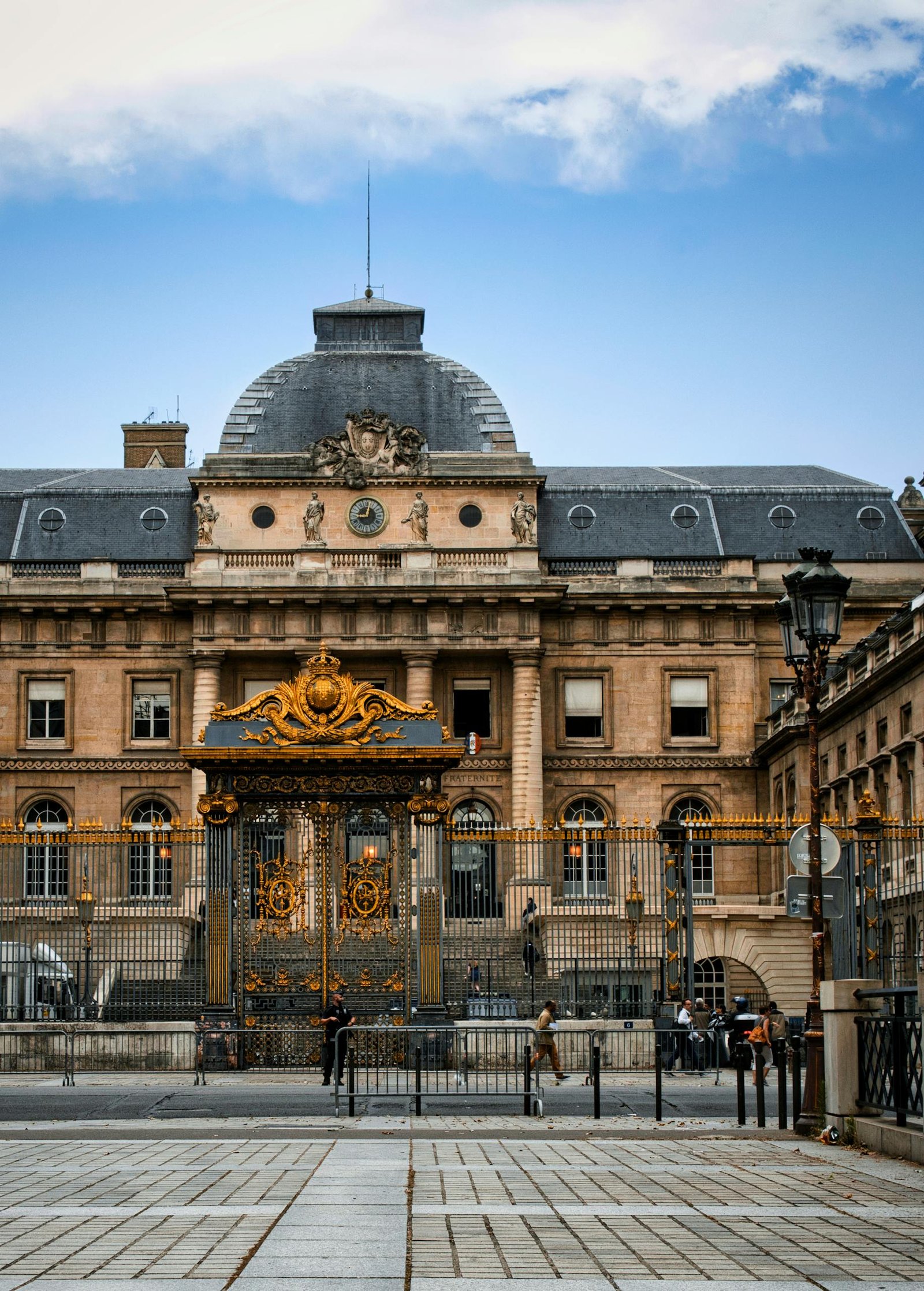
GlobeVision™ — A practical system for planning Paris by base, zones and daily rhythm
Paris becomes much easier when you stop treating it as a list of monuments and start treating it as a sequence of compatible areas. This guide has one clear job: help you build a Paris itinerary that flows — choosing a useful base, grouping nearby sights, limiting unnecessary transfers, protecting only the reservations that matter, and leaving enough flexibility for a real trip.
- Introduction
- The planning rule that keeps Paris manageable
- Practical data for Paris
- Mental map: organize Paris by zones
- Choose a base that reduces friction
- A practical 3-day Paris itinerary
- How to expand the plan for 4–5 days
- Use transport without fragmenting the day
- Protect fixed bookings without letting them control the trip
- Meals, luggage and small decisions
- Common itinerary-planning mistakes
- Plan the trip with GlobeVision
- Frequently asked questions
- Conclusion
🧭 Paris itinerary: operational summary
Geographic blocks
2 major blocks, or 1 major + 2 minor
Well connected, not simply “most central”
Too many transfers and fixed times
Introduction: plan Paris as a system, not a checklist
A first trip to Paris often becomes inefficient for one simple reason: attractions are chosen one by one, and only afterwards does the traveler try to connect them. That produces zigzags, repeated metro changes, badly timed meals and reservations that force the rest of the day to revolve around one entrance.
This article is deliberately narrower than our other Paris guides. It is not the page for transport fares, scam prevention, ticket buying or a detailed cost breakdown. Those topics already have dedicated articles. Here the focus is the architecture of the itinerary itself: base, zones, daily blocks, timing and flexibility.
For transport details, use Paris: how to get around without mistakes and master transport. For fines, scams and queues, use Travel to Paris without fines, scams, or queues. For budget decisions, see Paris: how much it costs to travel.
The planning rule that keeps Paris manageable
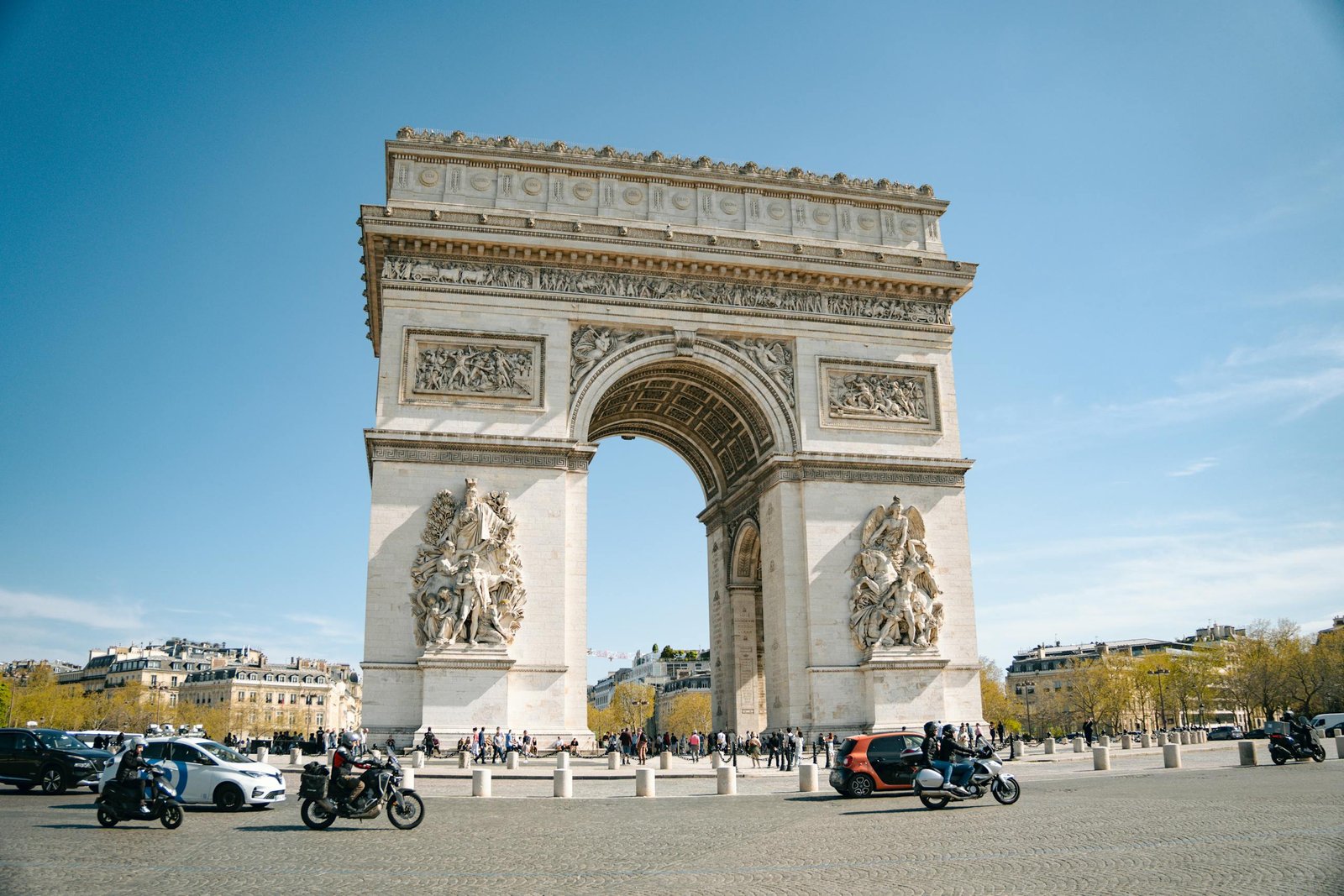
The most reliable way to plan Paris is to decide in this order: base → zones → major blocks → fixed bookings → transport links → flexible time. When you reverse that order and start with a long attraction list, the schedule usually becomes fragile.
Build the trip in this order
| Step | Decision | What it prevents |
|---|---|---|
| 1 | Choose a base with reliable connections | Long starts and difficult returns every day |
| 2 | Group sights by zone or walking axis | Cross-city zigzags |
| 3 | Choose 1–2 major blocks per day | Overpacked schedules |
| 4 | Protect only the truly fixed reservations | A day dominated by ticket times |
| 5 | Leave one flexible window | The whole day collapsing after one delay |
A major block can be a museum plus its surrounding neighborhood, or a long walking sequence with several compatible stops. In practice, two major blocks per day is a strong ceiling for most first-time visitors. One major block plus two smaller ones is even easier to absorb.
📊 Practical data for planning Paris
3–5 days
Zones + walking axes
Connect blocks, not every stop
Keep them selective
Overpacking the day
The numbers that matter most for this article are not coffee prices or taxi averages. They are planning constraints: how many days you have, how many major reservations you can absorb, how many cross-city transfers the day requires and how much flexibility remains after the fixed parts are placed.
Mental map: organize Paris by zones

Paris is easier to plan when you think in compatible corridors. The Louvre, Tuileries and Concorde naturally form one sequence. Île de la Cité, the Latin Quarter and Saint-Germain can form another. Montmartre and the Opéra axis can share a day if you keep the route compact.
Examples of compatible Paris blocks
| Block | Good combination | What not to add |
|---|---|---|
| Central west | Louvre → Tuileries → Concorde | A distant attraction just because it is “famous” |
| Historic center | Île de la Cité → Latin Quarter → Saint-Germain | Versailles or Montmartre in the same block |
| North / Opéra | Montmartre → Pigalle → Opéra | A rushed museum booking on the opposite side of the city |
| Left bank museums | Orsay → Saint-Germain → Seine walk | Multiple long transfers between short visits |
The exact combination can change, but the principle should not: keep the route coherent before you make it ambitious. A day that looks impressive on a map can still be operationally poor if it forces you to cross Paris repeatedly.
Choose a base that reduces friction

The best base is not automatically the most central one. It is the area that lets you start and finish most days without depending on one awkward connection. A slightly less central neighborhood can work better if it gives you two useful metro lines, simple airport access and a comfortable return at night.
Which type of base usually works best?
| Trip profile | Base logic | Why it works |
|---|---|---|
| 2–3 intense nights | Very central or immediately adjacent to the core | Reduces daily repositioning |
| 4–5 balanced nights | Well-connected residential central area | Better balance of rest, access and price |
| Family / stroller / luggage | Simple stations and fewer difficult transfers | Reduces physical friction |
| Later returns | Clear route back with more than one option | Less dependency on one fragile final connection |
When comparing accommodation, judge the whole daily route, not only the room price. Saving money on a bed can be a poor trade if every morning and evening becomes a long transfer. If your arrival is late, also verify reception or self-check-in before booking; operational reliability matters more than a fashionable address.
A practical 3-day Paris itinerary

For three effective days, the goal is not to “finish Paris.” It is to build three coherent days, each with a clear geographic identity and enough room to recover if something takes longer than expected.
Example 3-day structure
| Day | Main block | Secondary block | Flexible space |
|---|---|---|---|
| Day 1 | Historic center / Île de la Cité | Saint-Germain or Seine walk | Arrival adjustment, café, early night |
| Day 2 | Louvre / Tuileries / Concorde | Westward continuation | One optional reservation |
| Day 3 | Montmartre / north Paris | Opéra or nearby streets | Final meal or relaxed return |
If you replace one museum with another, keep the geographic continuity. A three-day trip becomes stressful when every day tries to contain four unrelated parts of Paris. It works better when one or two key experiences define the day and the rest remains adaptable.
How to expand the plan for 4–5 days
With four or five days, widen the radius without destroying the rhythm. Use the extra time for a dedicated museum day, a slower neighborhood day or a day trip. More time should create breathing room, not simply add commitments.
What the extra days are best used for
| Extra time | Best use | Avoid |
|---|---|---|
| Day 4 | A museum-heavy or Left Bank day | Filling every hour with ticketed entries |
| Day 5 | Versailles, a slower neighborhood day or a flexible reserve day | Keeping the same intensity as days 1–3 |
If Versailles is essential, treat it as a major block rather than a small add-on. If it is optional, keep the fifth day flexible and decide later based on weather, fatigue and what you enjoyed most during the first days.
Use transport without fragmenting the day

Use the metro, RER and buses to connect major areas, not to jump between isolated attractions all day. If you are taking transport every hour, the route is probably too fragmented. A slightly longer walk inside one zone can be more efficient than descending into a station, changing lines and resurfacing for a short visit.
Transport should support the itinerary
| Situation | Better choice | Why |
|---|---|---|
| Two nearby sights | Walk when practical | Avoids hidden station time |
| Moving between major zones | Metro/RER | Useful for real distance, not tiny hops |
| Diagonal trip with awkward transfers | Bus when reasonable | Can reduce stairs and connection friction |
| Arrival with luggage and little margin | Choose the simplest door-to-door option | Protects the first block of the trip |
For fares, airport transfers, passes and detailed transport decisions, keep this page focused and use the dedicated guide: Paris: how to get around without mistakes and master transport.
If you arrive with luggage or a very tight first-day schedule, a pre-booked transfer can be useful when it protects the itinerary rather than simply adding cost.
Protect fixed bookings without letting them control the trip
Reservations should support the route. They should not become the route. On most days, one important fixed booking is enough. Two can work if they are geographically compatible. Three unrelated timed entries usually create a fragile day.
How to place fixed bookings
| Booking type | Good placement | Bad placement |
|---|---|---|
| Major museum | At the start of a geographic block | Between two distant neighborhoods |
| Viewpoint / tower | Near the area you are already exploring | As a standalone cross-city trip |
| Evening experience | Close to dinner or your return route | Far from the final transport connection |
The important question is not “can I book it?” but “does this booking improve the structure of the day?” If the answer is no, consider a different time or a different day.
For ticket scams, queue avoidance and tourist-trap decisions, use the dedicated article instead of duplicating that topic here: Travel to Paris without fines, scams, or queues.
Meals, luggage and small decisions that affect the route

The itinerary is also shaped by small choices. A lunch that requires a long detour can damage the afternoon more than one short queue. Heavy luggage can turn a simple station connection into a difficult first hour. A late check-in can make a perfect neighborhood useless if access is unreliable.
Small frictions worth solving in advance
| Friction | Simple planning response |
|---|---|
| Arrival before check-in | Confirm luggage storage or a nearby plan B |
| Late arrival | Verify access before booking the accommodation |
| Lunch | Eat inside the current geographic block |
| Shopping / supplies | Group small stops instead of repeating them all day |
| Fatigue | Keep one flexible block that can be dropped without damaging the route |
Common itinerary-planning mistakes
What usually breaks a Paris itinerary
| Mistake | Why it hurts | Better approach |
|---|---|---|
| Choosing attractions before choosing zones | Creates zigzags | Build geographic blocks first |
| Too many timed reservations | Removes flexibility | Protect only the critical ones |
| Using transport for every short jump | Adds invisible transition time | Walk inside compatible areas |
| Planning each day to 100% | One delay creates a domino effect | Leave a flexible window |
| Choosing accommodation only by price | Can increase daily travel friction | Compare total route cost and convenience |
| Scheduling the hardest day after a late arrival | Starts the trip already behind | Make day 1 adaptable |
🧭 Build your Paris itinerary before you start booking
If you are still deciding how many days, which base, what order to use and where fixed bookings fit, GlobeVision Trip Decision Assistant can help you organize the trip before the schedule becomes rigid.
✓ Compare bases and transport friction
✓ Build days by compatible zones
✓ Protect only the reservations that matter
✓ Keep enough flexibility for a real trip
🧭 Explore more related destinations
GlobeVision™ — Strategic travel guide system
It analyzes destinations from a territorial, logistical, and operational perspective to support smarter travel decisions. In high-cost destinations, optimizing decisions can save you dozens or even hundreds of euros during the trip.
See travel strategies on GlobeVision
Frequently asked questions about planning a Paris itinerary
How many days do I need for a first Paris itinerary?
Three effective days are enough for a focused first itinerary, while four or five days make the trip much easier to pace. The key is to keep each day geographically coherent rather than simply adding more attractions.
What is the best way to divide Paris by area?
Think in compatible walking and transport axes: historic center and Latin Quarter, Louvre and Tuileries, Montmartre and Opéra, or Orsay and Saint-Germain. The exact grouping can change, but long cross-city jumps should be the exception rather than the rule.
How many major attractions should I plan per day?
For most first-time visitors, two major blocks are more sustainable than a long list of fixed attractions. A day with one major reservation plus one or two nearby flexible stops is usually easier to recover if something changes.
Should I stay in the absolute center of Paris?
Not necessarily. A well-connected area slightly outside the hyper-center can work better if it gives you reliable lines, simpler airport access and easier returns at night. Connectivity matters more than the postal code alone.
How much free time should I leave in a Paris itinerary?
Leave at least one flexible window every day. It can absorb a queue, a longer meal, bad weather or simple fatigue without forcing you to cancel the most important part of the itinerary.
Is it better to walk or use the metro between attractions?
Use transport to connect major areas and walk within each area when practical. If you are taking the metro for every short hop, the day is probably too fragmented.
How should I place timed museum reservations?
Place them inside the geographic block you are already visiting. One well-positioned reservation can give structure to the day; several unrelated timed entries can make the itinerary fragile.
What is the biggest mistake when planning Paris?
The biggest mistake is choosing attractions individually and only afterwards trying to connect them. Build the route by zones first, then decide which attractions and reservations fit naturally inside each block.
Conclusion: a good Paris itinerary is defined by continuity
Paris feels much easier when each day has a clear geographic logic. Choose a base that supports your real movements, group visits into compatible blocks, use transport to connect those blocks and keep fixed reservations selective. The result is not a “faster” Paris. It is a trip with fewer broken transitions, fewer reactive decisions and more useful time inside the city.