This guide solves one specific decision: whether the Paris Museum Pass will genuinely save you money and logistical friction in Paris across 2, 3, 4, or 5-day stays, based on the museums you actually want to visit and the weight of timed-entry reservations such as the Louvre, Sainte-Chapelle, or Versailles. It includes break-even thresholds, movement times between major cultural clusters, lower-density time windows, and the real cost of common mistakes: queues, double payments, and wasted reservations. This is not a general “what to see” guide. It is a decision framework built on numbers, realistic sequences, and clear bottlenecks.
Destination mental map
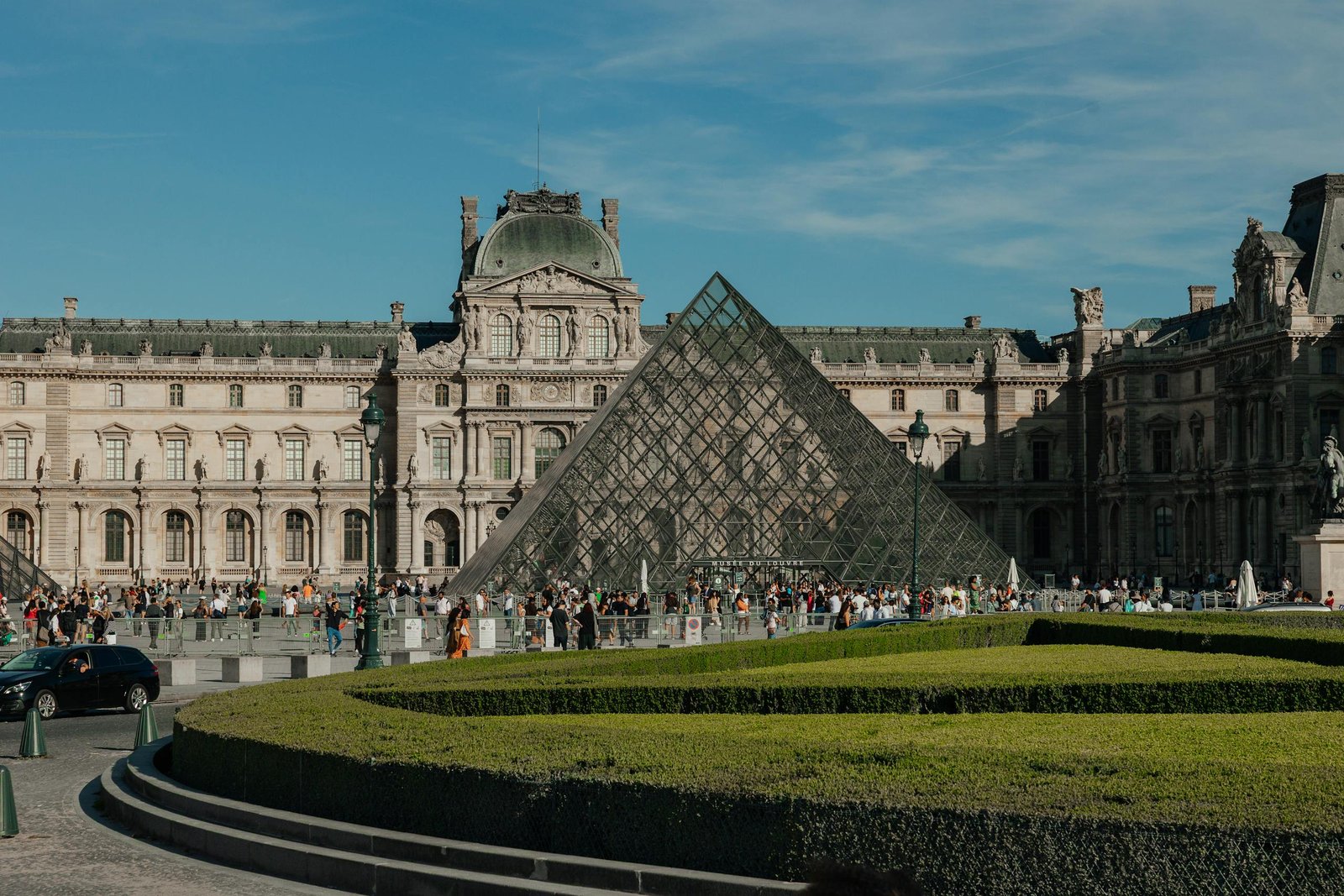
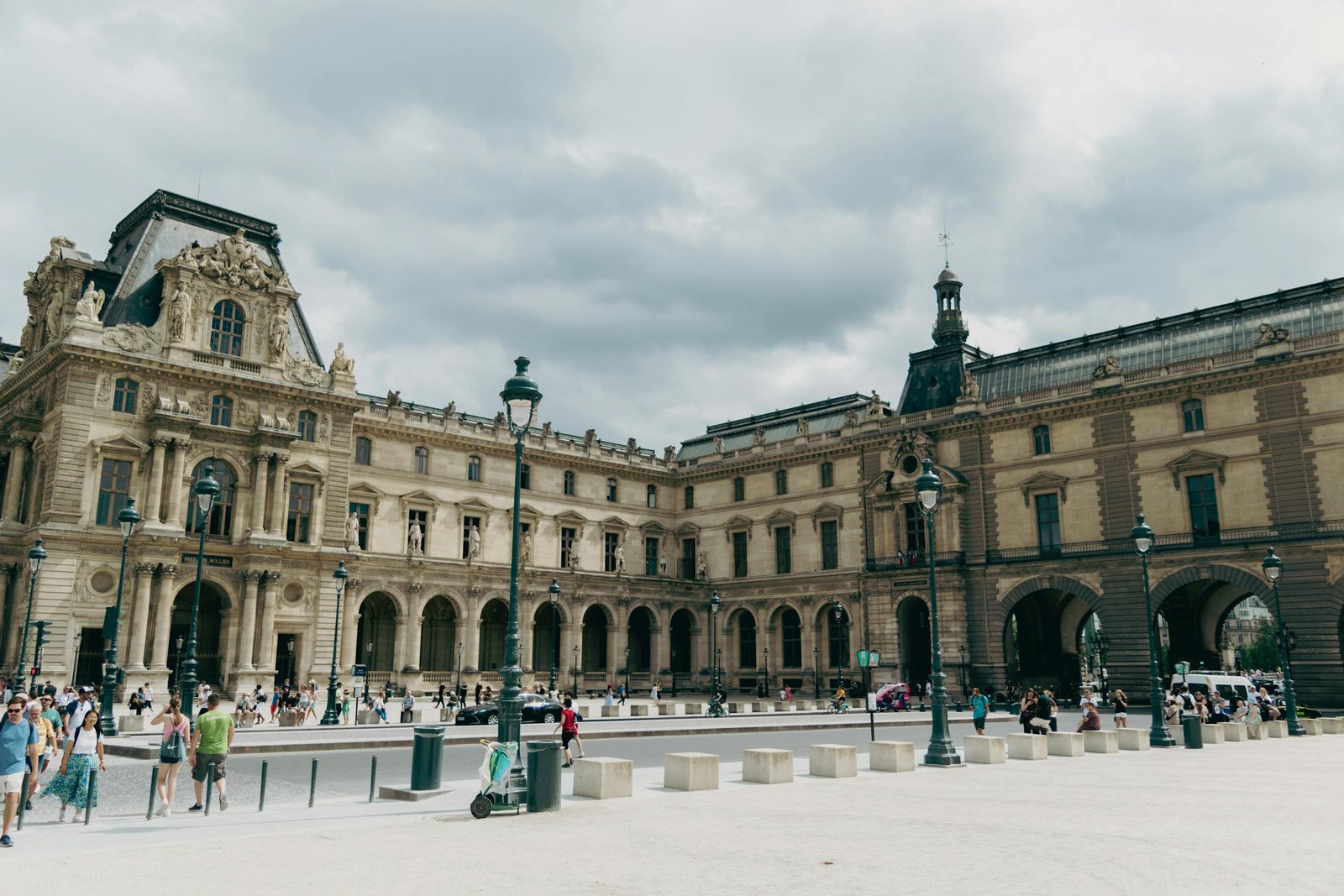
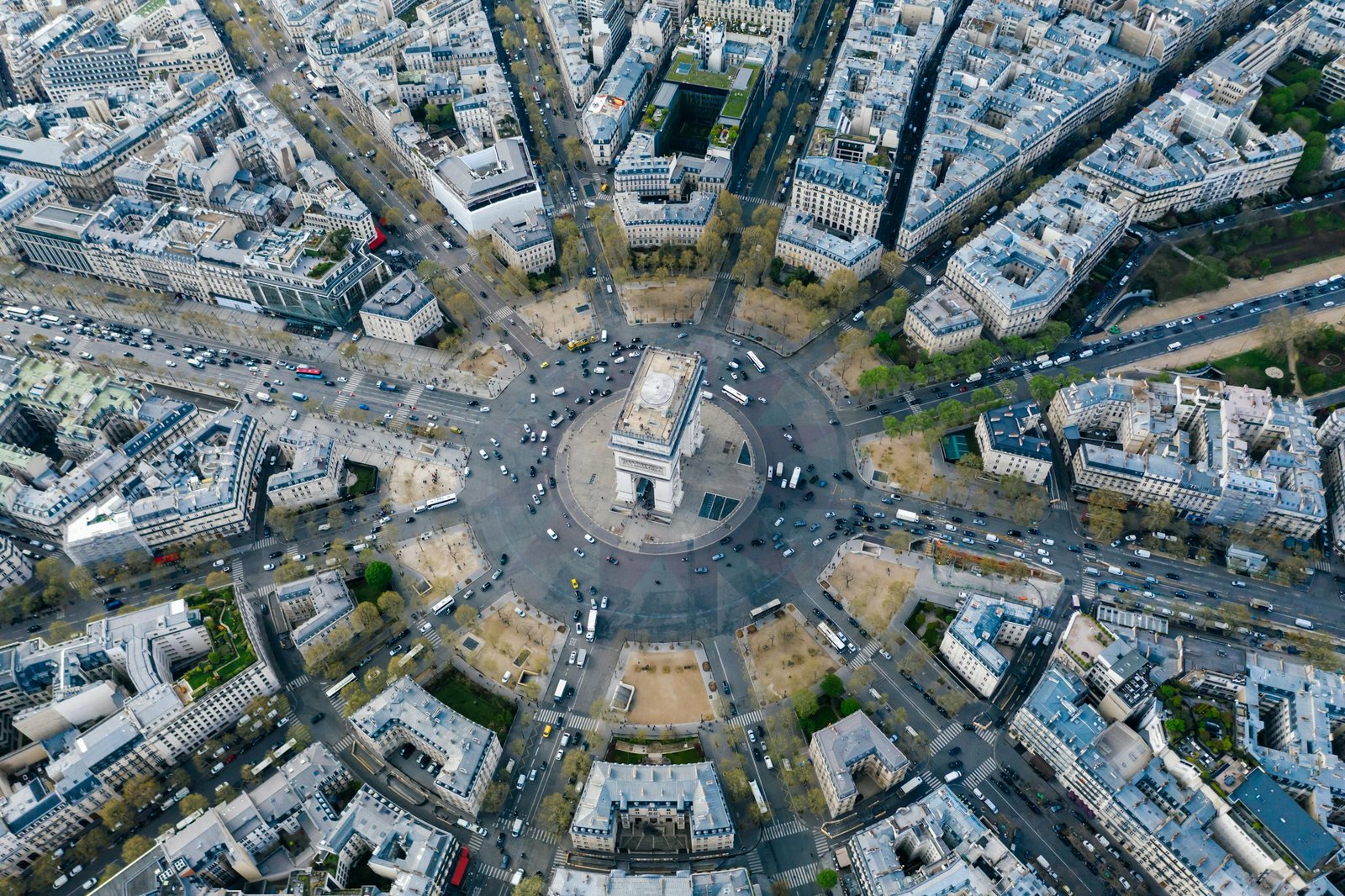
Break Paris into three museum corridors that determine both savings and timing: 1) the Louvre–Tuileries–Orsay–Orangerie axis (5–18 minute walks, high density of pass-covered entries); 2) Île de la Cité and the left bank: Sainte-Chapelle–Conciergerie–Panthéon–Cluny (short metro or RER links, several places with timed reservations or strict security checks); 3) the western monumental corridor: Arc de Triomphe–Invalides–Rodin–Versailles (Versailles alone requires half a day and careful timing).
Match your cultural windows to lower-pressure arrival patterns. Flights into CDG tend to create peaks between 07:00–10:00 and 17:00–20:00; from Terminal 2, the RER B usually takes about 35–40 minutes to Châtelet–Les Halles. From Orly, Orlyval + RER B often takes 35–45 minutes to Saint-Michel. If you arrive by train through Gare du Nord, Est, Lyon, or Montparnasse, expect 15–30 minutes of metro time to your first museum area. The pass does not include transport, but the way you synchronize museum slots with your arrival pattern determines whether you can realistically fit in 2, 3, or 4 cultural entries per day without wasting reservations.
Transport costs in Paris
Public transport
€5 – €9
Taxi
€43 – €86
Where to stay
To maximize the Paris Museum Pass, stay where you can chain together 2–4 cultural stops per day with 5–20 minute walking segments: the 1st/2nd arrondissement for the Louvre–Orsay–Orangerie triangle; the 6th/7th for Orsay–Rodin–Invalides with fast access to Île de la Cité; the 8th/16th if your priorities include the Arc de Triomphe and transport links toward Versailles.
In high season, reduce transfers as much as possible: one extra line change can be enough to miss a timed reservation. This section points you toward the right areas; the final decision depends on your travel profile below. — More detail here: Paris without tourist traps: a real checklist for transport, entries, and safety
Best areas to stay in Paris
3★ hotel
€134 – €218
4★ hotel
€250 – €406
How to choose where to stay based on your profile
48-hour intensive profileThe pass is worth it if you can chain together at least €60–€70 of entries per day. With the Louvre (€22, timed reservation required), Orsay (€16, not always strictly timed but often queued), Orangerie (€12.5), Sainte-Chapelle (€13, timed slot), and Arc de Triomphe (€13), you can easily exceed €76 in one day if you manage four visits. This only works if you stay in the 1st or 6th arrondissement and secure early Louvre and Sainte-Chapelle time slots. If you skip the Louvre or limit yourself to two or three visits per day, it usually stops making sense.
72-hour selective profileThere is no official 3-day pass, so the intelligent decision is usually either 2 pass days + 1 non-museum day, or all single tickets. The pass works if you compress the hard-value core into two days: Louvre, Orsay, Orangerie, Sainte-Chapelle, Conciergerie, and Arc de Triomphe. If you spread your museums across three days with many breaks, individual tickets often work better. Staying in the 6th or 7th reduces crossing times toward Île de la Cité and the left bank.
96-hour balanced profileThe 4-day pass becomes worthwhile with 8–10 total entries and at least one half-day at Versailles, where the palace and Trianon areas represent major value. If you avoid the worst Louvre crowd patterns and place Orsay in a later-afternoon slot, the net savings can sit around €20–€40 depending on the mix. If Versailles is not part of your plan or you expect fewer than seven sites, recalculate carefully: individual tickets may be more rational. Staying in the 7th or 1st helps balance the main cultural axes and cuts transfer friction toward the RER C for Versailles.
120-hour relaxed profileThere is no 5-day pass, and if you plan five days with only one or two visits per day, the pass rarely produces strong savings. What works better is either a 4-day concentrated cultural block followed by a free day, or a fully individual-ticket approach if each day contains only one museum. If you travel as a family or at a slower pace, the 6th or 7th arrondissement works well for walking and parks, accepting that the main driver may not be raw savings but rather avoiding failed reservations and badly timed museum days.
GlobeVision™ strategic decisionIf your list does not include the Louvre or Versailles, the break-even threshold rises sharply and the pass loses strength. If your focus is on smaller house museums or temporary exhibitions that are not included, individual payment is usually the better route.
If you do not like strict timed bookings, build a coherent package around Orsay late afternoon, Orangerie, Rodin, Invalides, Arc de Triomphe, and Panthéon, and activate the pass only if you can realistically hit three or four sites per day with 20-minute maximum walking segments from a base in the 1st or 6th arrondissement. Binary decision: can you guarantee at least three entries per day with two secured timed bookings and walking links of 20 minutes or less? If yes, the pass is worth it. If not, individual tickets are usually smarter.
Practical travel tips
Micro-scene: 08:35, Rue de Rivoli. You arrive 25 minutes early for your 09:00 Louvre slot and there are already 120 people at security.Action: use the Carrousel entrance if your bag setup allows it and clear security 10–15 minutes before your slot. Having the pass without a reservation does not help at the Louvre. Measurable result: you enter before 09:10, gain 35–45 minutes with less crowded rooms, and still reach Orangerie at 11:30 without sacrificing lunch or walking flow.
Micro-scene: 13:10, Île de la Cité. You have Sainte-Chapelle at 13:30 and Conciergerie afterward.Action: treat Sainte-Chapelle as a hard-timed slot and leave 20 minutes of margin for security. If you arrive 10 minutes late during peak periods, access may be denied. Consequence: you lose the value of that stop and damage the third museum of the day. With the right buffer, you exit around 14:00 and reach Conciergerie at 14:10 without breaking the chain of three visits.
Micro-scene: 16:35, Musée d’Orsay. The general queue is 30–40 minutes long.Action: place Orsay in a 16:00–17:00 slot on later-closing days when possible, and use the pass-holder flow. Even when timed booking is not always mandatory, arrive 15 minutes early for security. Impact: you cut waiting to around 10–15 minutes, see the core collection in about 90 minutes, and still have a chance to add Rodin before the last entry window.
Micro-scene: 07:20, RER C toward Versailles. Group of 4, palace entry at 09:00.Action: take a train that gets you into Versailles Château Rive Gauche around 08:15–08:25, then walk 10 minutes and reach security by 08:40. If you arrive after 09:30, checks can swell to 45–60 minutes and kill the Trianon block. Benefit: entering early avoids group pressure, saves 30–45 minutes, and can still leave enough margin to add one more Paris visit later that afternoon.
Micro-scene: 10:05, Jardin des Tuileries. You are between the Louvre and Orangerie.Action: build in a fixed 20-minute break for water and bathrooms between nearby museums instead of improvising inside security lines. If you do not, you can waste 35–40 minutes chasing basic needs and buying overpriced snacks. With a structured pause and a refillable bottle, you are back in line by 10:25 and protect the next slot and the fourth museum of the day.
Micro-scene: 11:50, Boulevard Saint-Germain. Panthéon is planned for 12:15 and you stop for lunch.Action: choose a bistro 300–500 meters from the next museum, with a reasonable 25–30 minute meal rhythm. If you sit too far away in a tourist-heavy zone, you can lose 55–75 minutes and destroy the margin for the afternoon. A strategic lunch keeps the museum chain alive and preserves the value logic of the pass.
Micro-scene: 09:05, Place du Trocadéro. You are heading to the Arc de Triomphe for 09:30.Action: use the underground access via Avenue de la Grande-Armée and add 10 minutes for bag control. If you approach from the Champs-Élysées on a Saturday, add another 15 minutes for density. Gain: you are on top by around 09:55, get cleaner views with less crowd pressure, and can still head toward Invalides without losing the morning sequence.
Micro-scene: 08:10, Gare du Nord. You arrive by train and your first museum is on Île de la Cité at 09:30.Action: use digital transport tickets and avoid the ticket-office queue; take the RER B to Châtelet–Les Halles and walk 12 minutes. If instead you choose a metro route with two rush-hour changes, you can lose 10–15 minutes and damage your margin for Sainte-Chapelle security. Result: with the cleaner route, you arrive around 09:05 and keep the slot intact.
Micro-scene: 17:25, Quai Anatole France. Orsay ran late.Action: keep Orangerie as a late-day flexible backup. If by 17:40 you can no longer enter cleanly, rebook mentally for the next day and stop forcing the sequence. Economic effect: you protect the €12.5 value without exhausting yourself in a closing-time rush that would reduce the quality of the visit anyway.
Micro-scene: 14:50, Musée Rodin. The garden is under strong summer sun.Action: place the most crowded interiors early and leave outdoor museum gardens for early afternoon. This reduces check pressure and lowers fatigue before Invalides. Benefit: you maintain a three-site day even in high heat, avoid unnecessary drink purchases, and preserve energy for the last cultural block.
Micro-scene: 18:15, Boulevard Saint-Michel. Rain is expected in 45 minutes.Action: shift covered museums into that weather window and save longer exposed walks for dry periods. If you ignore the forecast, you may waste 15–25 minutes under a shelter and then pay for an avoidable taxi. Real-time adaptation is one of the most reliable ways to protect both the pass value and the day’s budget.
Micro-scene: 07:55, apartment in the 6th arrondissement. Group of 5 with two teenagers.Action: centralize all QR codes and museum reservations into one offline folder and assign one person to handle the entries. In access control, every 6–8 seconds lost looking for a screen multiplies across the whole queue. With a simple protocol, total access time can drop by 3–5 minutes per stop.
Micro-scene: 15:35, Rue de Vaugirard. You already walked 18,000 steps.Action: insert a 10–15 minute bus segment when the next museum is more than 1.8 km away. The bus lets you sit down, see the city, and avoid extra transfers. If you stubbornly force the metro with long corridors and stairs, you may end up sacrificing the final museum of the day and with it a big part of the pass’s value.
Micro-scene: 12:40, security at the Panthéon. You are carrying liquids and a bulky metal bottle.Action: empty liquids beforehand and avoid objects likely to trigger secondary checks. Each extra inspection can add 4–7 minutes and push your next timed block off schedule. A tiny departure ritual at your accommodation can save enough group time to keep one more museum in the afternoon alive.
Micro-scene: 19:20, Île de la Cité. Sainte-Chapelle is closing.Action: do not place shopping inside hard closing windows; move it into walking dead zones between museums instead. A random 15-minute stop in a tourist shop late in the day can cancel the last entry and erase the pass’s economic advantage for that sequence.
Food costs in Paris
Coffee
€4 – €5
Meal
€27 – €53
Common mistakes and what NOT to do
Micro-scene: 09:40, Louvre entrance. You have the Paris Museum Pass but no timed reservation.Wrong action: you still try to enter. Consequence: you are pushed to reserve later and the first available slot is 13:30. You lose four hours, break the Orsay–Orangerie sequence, and reduce the day to one or two museums. Economic impact: the pass loses most of its value for that day. Lesson: without a Louvre slot, do not build anything that depends on entering before 11:00.
Micro-scene: 10:15, Île de la Cité. Sainte-Chapelle has a long outdoor queue in full sun.Error: you arrive exactly at your slot time with no security buffer. Consequence: if you are 10 minutes late during peak periods, access may be denied. You lose that visit and damage the Conciergerie chain. A day planned around three entries can collapse into one. Missing buffer is not a minor error here.
Micro-scene: 08:50, Gare d’Austerlitz. You decide to “fit Versailles in if possible” without an early reservation.Error: you leave too late and arrive around 10:20, facing 50–70 minutes of controls. Consequence: Versailles consumes the entire day and wipes out the two or three Paris museums that were holding up the pass’s value. If Versailles is not treated as a main block, it often becomes the reason the pass stops making sense.
Micro-scene: 13:30, Rue de Rivoli. Lunch with no positional logic.Error: you choose a restaurant 1.5 km from the next museum. Consequence: 20 minutes there, 20 back, plus 45 of service = 85 dead minutes. Result: you lose Orangerie and the day drops below the three- or four-visit threshold. Correction: eat within 300–500 meters of the next stop.
Micro-scene: 11:05, Orsay entrance. Your group carries large bags.Error: you do not empty liquids or remove metal items in advance. Consequence: secondary checks of 6–10 minutes per person. Result: Rodin gets pushed late and the rest of the day starts collapsing. This is a classic case where small control errors destroy pass efficiency.
Micro-scene: 09:20, crowded metro. You built a three-museum day with two line changes per move.Error: you underestimated connection times. Consequence: every transfer adds 6–10 minutes and fatigue; the final museum gets cut. Without walkable clusters, the pass demands too much transport friction and stops being profitable. Antidote: stay in the 1st, 6th, or 7th and build walkable cultural corridors.
Micro-scene: 15:55, Jardin du Luxembourg. The weather turns into heavy rain.Error: you insist on keeping long outdoor links. Consequence: 20–30 minutes lost under shelter and an unplanned taxi. Result: one museum worth €12–€16 disappears from the sequence. Robust planning means having nearby indoor alternatives ready.
Micro-scene: 08:00, apartment. The group is not synchronized.Error: each person handles their own QR codes and times. Consequence: 5–8 extra minutes at every control point and timed-entry misalignment. Result: the second museum starts late, queues grow, and your daily density drops. Prevention: one device, one entry order, one clear protocol.
Micro-scene: 17:10, Place des Vosges. You make a “quick” photo detour.Error: you deviate a full kilometer from your museum corridor late in the day. Consequence: you arrive 15–20 minutes late to the last entry and get refused. Loss: €10–€15 of expected value and a frustrating close to the day. Strategy: leave scenic detours for non-pass days or very early hours.
Micro-scene: 12:05, Conciergerie security. You are carrying a large tripod.Error: you bring something that triggers deposit or secondary screening. Consequence: 10–15 extra minutes and less margin for Panthéon. The pass slips below the day’s break-even logic. Solution: compact gear and a bias toward flow over perfection.
Micro-scene: 18:00, outside Orangerie. A large group arrives all at once.Error: you did not anticipate group patterns and closing pressure. Consequence: an unexpected 25-minute queue, crowded rooms, and the last useful half-hour of the day consumed. Correction: place Orangerie mid-morning or in the final slot on a lower-pressure day.
Micro-scene: 09:50, Arc de Triomphe. You buy individual tickets “just in case” even though the site is included.Error: double payment driven by uncertainty. Consequence: unnecessary extra spending and evaporating pass savings. Prevention: check exactly what the pass includes and only reserve whatever free timed element may be required.
Micro-scene: 10:30, Musée d’Orsay. A temporary exhibition not covered by the pass catches your attention.Error: you pay the extra and sacrifice the main included block. Consequence: 45–60 minutes outside the sequence that made the pass worthwhile. Rodin or Invalides gets delayed to “tomorrow,” and the cost-performance ratio worsens. Rule: prioritize the included permanent collection first.
Safety and recommendations
Micro-scene: 08:15, Châtelet–Les Halles. You arrive with backpacks early for the Louvre. The corridors are wide but dense, ideal for quick distraction thefts.Action: keep QR codes and wallets in zipped front pockets and split valuables between two people. If one person handles the entries, the other monitors the environment. Do not stop at the mouth of stairs; move to a smoother-flow point before organizing documents. This reduces theft exposure and helps preserve the day’s schedule.
Micro-scene: 13:40, Île de la Cité. Outdoor queue for Sainte-Chapelle in direct sun. Heat and fatigue make you less attentive.Action: use a front pouch for phone and QR codes and a cross-body bag with double closure. Rotate group awareness every 5–7 minutes. If someone approaches with petitions or clipboards, ignore and keep distance. This protects both your belongings and your timed entry.
Micro-scene: 18:50, Trocadéro. Sunset photos after a long museum day. You stop to check maps in a very tourist-heavy area.Action: step into a lit doorway or station interior to check routes, never with your back exposed to the crowd. Put away camera and phone while moving, and if you are solo, share your live location. Avoid ATM use on open streets at that hour. These habits lower risk and also protect the next day’s museum schedule.
Micro-scene: 20:30, RER C back from Versailles. The carriage is half-empty.Action: choose a central carriage, avoid end doors, and position yourself near the driver area when possible. Do not display tickets or passes openly; prepare them before boarding. If something feels wrong, get off at the next lit station and change trains. A calmer return protects both your safety and the following morning’s reservations.
GV
GlobeVision™ Travel
Territorial analysis and travel logistics optimization
At GlobeVision™ Travel, we create guides built on real data, mobility patterns, and practical in-destination decisions.
Our approach combines territorial analysis, route optimization, and logistical friction reduction to help you travel better, not just more.
We analyze destinations from a territorial, logistical, and operational perspective so you can make more efficient travel decisions. In expensive destinations, optimizing choices can save you dozens or even hundreds of euros over the course of a trip.
This article is part of the GlobeVision™ editorial system, designed to analyze destinations from a logistical, territorial, and strategic perspective.
Conclusion
The decision depends less on how many days you stay and more on how much you can chain together without friction: two guaranteed timed reservations per day, walkable clusters, and strategically placed lunches. If you can consistently reach three or more included entries per day in compact cultural corridors, the Paris Museum Pass flows well.
If your rhythm is slower or your list excludes the main anchor sites, paying individually is often smarter. Use the blocks in this guide to map time windows, reserve the real bottlenecks, and protect your margins. That is how you keep the budget under control without surprises.
Frequently asked questions
When is the Paris Museum Pass worth it for 2 days?
It is usually worth it if you can chain together at least three major entries per day with low logistical friction: for example the Louvre with a timed slot, then Orsay and Orangerie on the same axis, plus Arc de Triomphe or Sainte-Chapelle if you manage queues well. In practice, once you reach around €60–€70 of value per day, the savings begin to become real. If your actual pace is only two entries per day, or if you skip the Louvre, buying individual tickets is normally more sensible.
What should I do if I travel for 3 days and the official pass is only 2 or 4 days?
For a three-day stay, the efficient structure is usually to compress the most expensive and rigid visits into two days and buy the 2-day pass, leaving the third day for walks, free sites, or lighter cultural blocks. If instead you want to spread museums across all three days at a slower pace, individual tickets often work better. Stretching to a 4-day pass just to cover a relaxed third day usually dilutes the savings.
How do Louvre and Sainte-Chapelle timed reservations affect the pass’s value?
They affect it directly because a missed timed reservation means you lose the value of that visit and often damage the whole rest of the day. The Louvre still requires a time slot even with the pass; without arriving 10–20 minutes early, you may be shifted later and break the sequence. Sainte-Chapelle is very sensitive to crowding and external controls. If you secure these two correctly, the pass performs much better. If you fail them, its value drops fast.
Does the pass still make sense if I am not planning to visit either the Louvre or Versailles?
If you exclude both the Louvre and Versailles, the break-even threshold rises because you lose two of the strongest value anchors. It can still make sense if you can chain together mid-range sites such as Orsay, Orangerie, Rodin, and Invalides in a very compact day. But if your pattern is one or two visits a day, or smaller museums, individual payment is usually more efficient and more flexible.
How do I calculate the break-even point for 4 days?
Add the total value of your priority list and then test whether you can realistically execute it with short movement chains and limited disruption. A solid four-day setup might include Louvre, Orsay, Orangerie, Sainte-Chapelle, Conciergerie, Arc de Triomphe, Rodin, Invalides, and Versailles with Trianon. If your logistics allow two museums in the morning and one in the afternoon, plus a dedicated Versailles block, the pass often beats individual pricing. If you expect fewer than seven total sites or skip Versailles, recalculate carefully.
Does the pass let you skip every queue?
No. The pass mainly removes ticket-office friction, but it does not eliminate security controls or mandatory reservations when they apply. At the Louvre and Sainte-Chapelle you still need a proper time slot. At Orsay and Orangerie there may be faster flows or dedicated access, but you can still face waiting during peak periods. The real key is timing, clustering, and arriving with margin.
Where should I stay to get the most out of the pass?
Stay near the clusters with the highest density of included sites. The 1st and 2nd arrondissements are excellent for linking the Louvre, Orangerie, and the Orsay corridor. The 6th and 7th place you well for Orsay, Rodin, Invalides, and quick access to Île de la Cité. Reducing transfers and long crossings is what preserves the daily museum density that makes the pass worthwhile.
Can I combine the pass with museums not included or temporary exhibitions?
Yes, but the smart move is to place those exceptions at the end of the day and only if you still have at least an hour of real margin. If you prioritize a non-included temporary exhibition too early, you may push back the included sites that actually support the economics of the pass. Use the pass first for the strong permanent anchors, then add extras only when the main cultural block is already secure.
What happens if I travel for 5 days and want a relaxed pace?
With five days and a rhythm of only one or two visits per day, the pass usually stops generating strong savings because its value depends on reasonably concentrated museum density. Two patterns tend to work better: either compress four cultural days and leave one free day, or skip the pass entirely and reserve only the most sensitive sites individually, especially the Louvre and Sainte-Chapelle. That way you keep more flexibility and better budget control.
Utilizamos cookies propias y de terceros para mejorar tu experiencia, analizar el tráfico y mostrar contenido relevante. Puedes aceptar todas las cookies, rechazarlas o configurar tus preferencias en cualquier momento. Consulta nuestra Política de Cookies para más información.
Funcional
Always active
El almacenamiento o acceso técnico es estrictamente necesario para el propósito legítimo de permitir el uso de un servicio específico explícitamente solicitado por el abonado o usuario, o con el único propósito de llevar a cabo la transmisión de una comunicación a través de una red de comunicaciones electrónicas.
Preferencias
El almacenamiento o acceso técnico es necesario para la finalidad legítima de almacenar preferencias no solicitadas por el abonado o usuario.
Estadísticas
El almacenamiento o acceso técnico que es utilizado exclusivamente con fines estadísticos.El almacenamiento o acceso técnico que se utiliza exclusivamente con fines estadísticos anónimos. Sin un requerimiento, el cumplimiento voluntario por parte de tu proveedor de servicios de Internet, o los registros adicionales de un tercero, la información almacenada o recuperada sólo para este propósito no se puede utilizar para identificarte.
Marketing
El almacenamiento o acceso técnico es necesario para crear perfiles de usuario para enviar publicidad, o para rastrear al usuario en una web o en varias web con fines de marketing similares.