
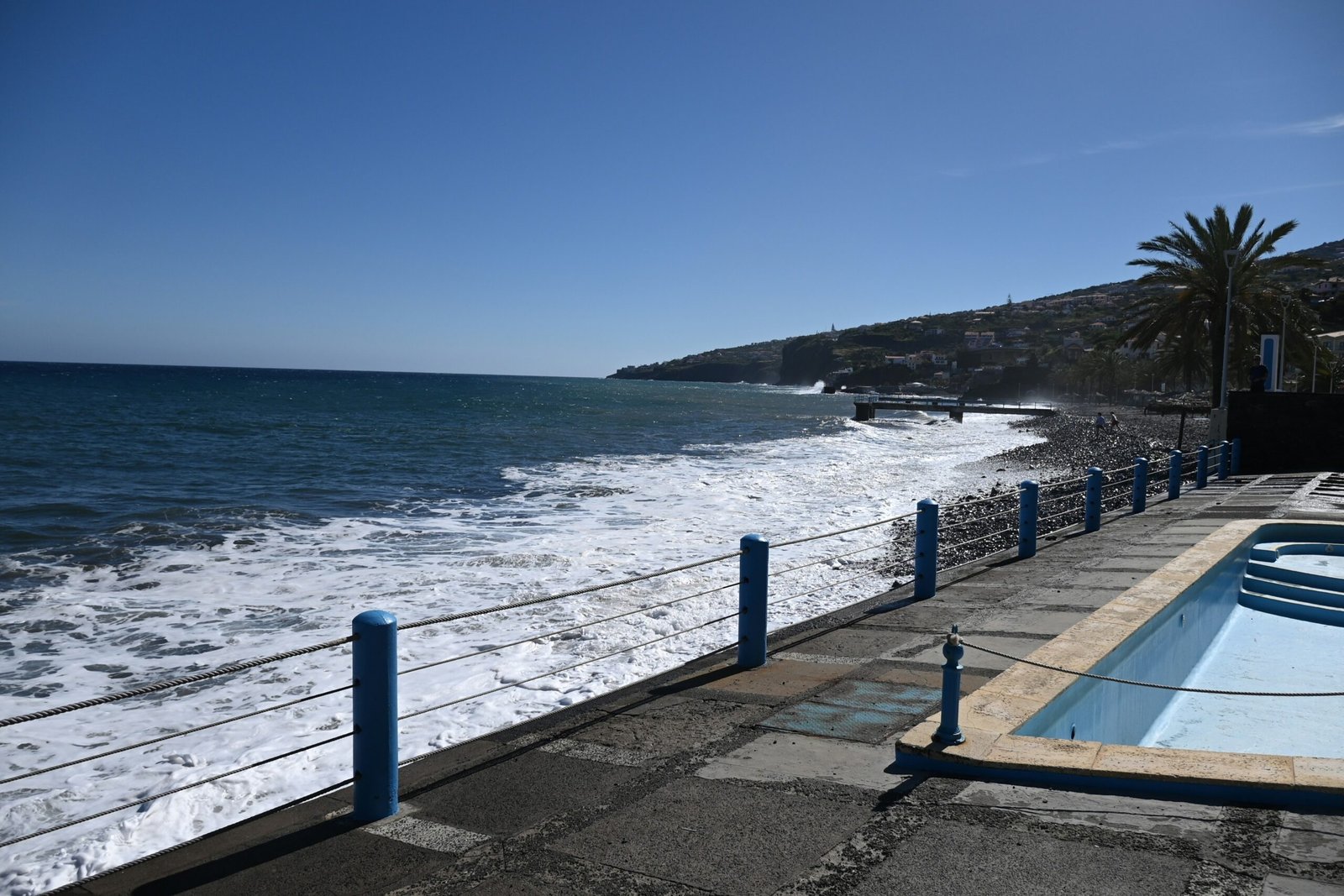
GlobeVision™ — Strategic logistics guide to organize Madeira with better decisions: how to divide the island by areas, where to stay, when to rent a car, how to avoid repeated mountain transfers and how to make every day work without wasting time, energy or weather windows.
What is the best way to organize a trip to Madeira?
The most efficient way to visit Madeira is to divide the island by areas, use Funchal as your main base if it is your first visit, rent a car only for exploration days and leave daily margin for weather changes. In Madeira, the best trip is not the one that tries to see everything quickly, but the one that groups routes well and avoids repeated transfers on slow mountain roads.
Introduction
Madeira looks small on the map, but it works like an island of logistical decisions. The distance between two points may seem minimal and still become 45 minutes of curves, tunnels, slopes and altitude changes. That is the first practical rule of the trip: in Madeira you do not plan only by kilometers; you plan by areas, weather, roads and available energy.
The island combines coastline, mountains, levadas, viewpoints, rural villages, gardens, natural pools and very popular hiking routes. The problem is not a lack of interesting places, but an excess of options spread across demanding geography. If you improvise too much, it is easy to end up driving more than necessary, arriving late at parking areas or finding fog exactly when you reach the viewpoint you most wanted to see.
A well-organized visit lets you enjoy Madeira with a different rhythm: hiking mornings, coastal afternoons, quiet dinners in Funchal and sector-based routes without repeating unnecessary transfers. A poorly structured visit, however, can feel exhausting: full parking areas, closed restaurants, slow roads, changing weather and days that are too ambitious.
The detail that changes the experience the most is accepting that Madeira does not work like a classic European city. Here it is not enough to open the map and connect points. You need to look at altitude, weather forecast, coastal orientation, daylight hours, parking and accumulated fatigue. That mindset saves time, money and frustration.
This guide is designed as a practical manual to organize Madeira with judgment: where to stay, how to move around, which areas to combine, when to start early, what mistakes to avoid and how to make better decisions each day.
Best places to visit
One of the biggest mistakes when visiting Madeira is trying to fit all the famous places into days that are too long. The island rewards planning by sectors: Funchal and surroundings, east, west, north and mountain areas. If you organize the trip this way, you reduce repeated transfers and avoid wasting energy on inefficient movements.
| Area or place | Best moment | Recommended time | Logistical risk |
|---|---|---|---|
| Funchal | Afternoon or arrival day | Half day / 1 day | Parking and urban traffic |
| Pico do Areeiro | Sunrise or before 9:00 | Half day | Fog, wind and full parking |
| Pico Ruivo | Stable morning | Long half day | Demanding route and changing weather |
| Levada das 25 Fontes | Before 9:00 | Long half day | Crowds and slow trail |
| Ponta de São Lourenço | Very early | 3-4 hours | Heat, wind and little shade |
| Porto Moniz | Midday or afternoon | Half day | Long transfer from Funchal |
| Santana | Morning | 2-3 hours | Organized groups and short visit |
| Cabo Girão | Before 10:00 or after 16:00 | 30-60 minutes | Crowds on the platform |
Funchal and surroundings
Funchal is the most comfortable base for a first visit. It has restaurants, hotels, supermarkets, the port, transport, excursion agencies and relatively quick access to several areas of the island. Its historic center, the Sé area, the marina, Mercado dos Lavradores and the seaside promenade can be explored without a car if you choose your accommodation well.
It is wise to reserve Funchal for a softer day or for the afternoon after a demanding route. After driving through mountains or walking for hours, being able to have dinner without touching the car again is a real advantage. Here the trip becomes easier: you leave the car parked, walk down, have a calm dinner and recover energy for the next day.
Pico do Areeiro and Pico Ruivo
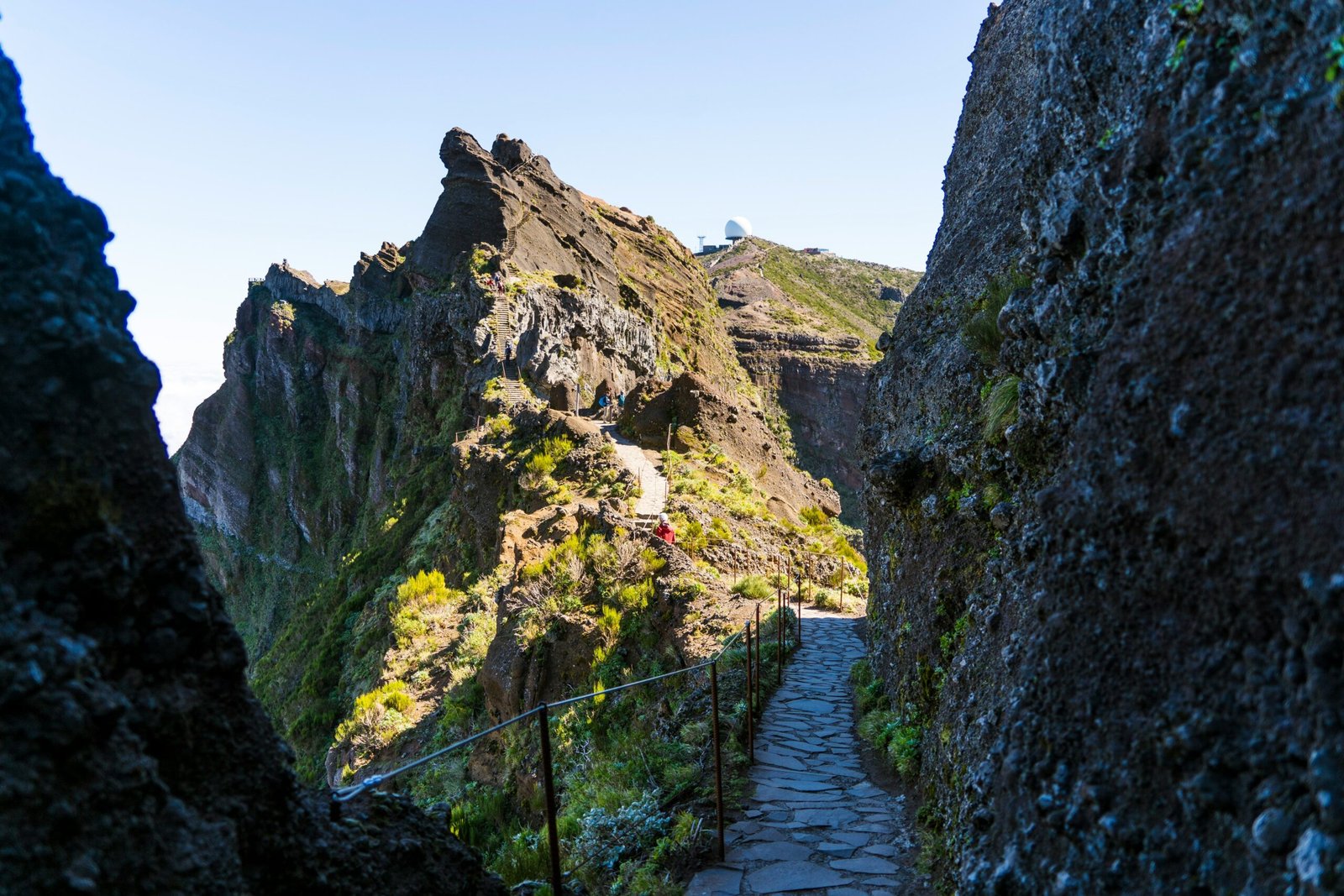
Pico do Areeiro, sometimes written by travelers as Pico do Arieiro, is one of Madeira’s most spectacular points. The major logistical detail is that it depends heavily on weather. You can leave Funchal under sun and arrive at the top with fog, strong wind or very limited visibility.
If you want to hike toward Pico Ruivo, do not treat it as a simple walk. It is a mountain route, with elevation changes, exposed sections, stairs, tunnels and conditions that can change quickly. The sensible approach is to reserve a full morning, bring water, warm clothing and avoid scheduling another important activity immediately afterward.
The practical experience here can be summed up in a very common scene: you go up early, the sky looks clear, you reach the parking area and within minutes the clouds begin to cover the view. If you have margin, you wait. If your day is overloaded, you leave frustrated. That is why rigid schedules work worse than flexible blocks in Madeira.
Levada das 25 Fontes
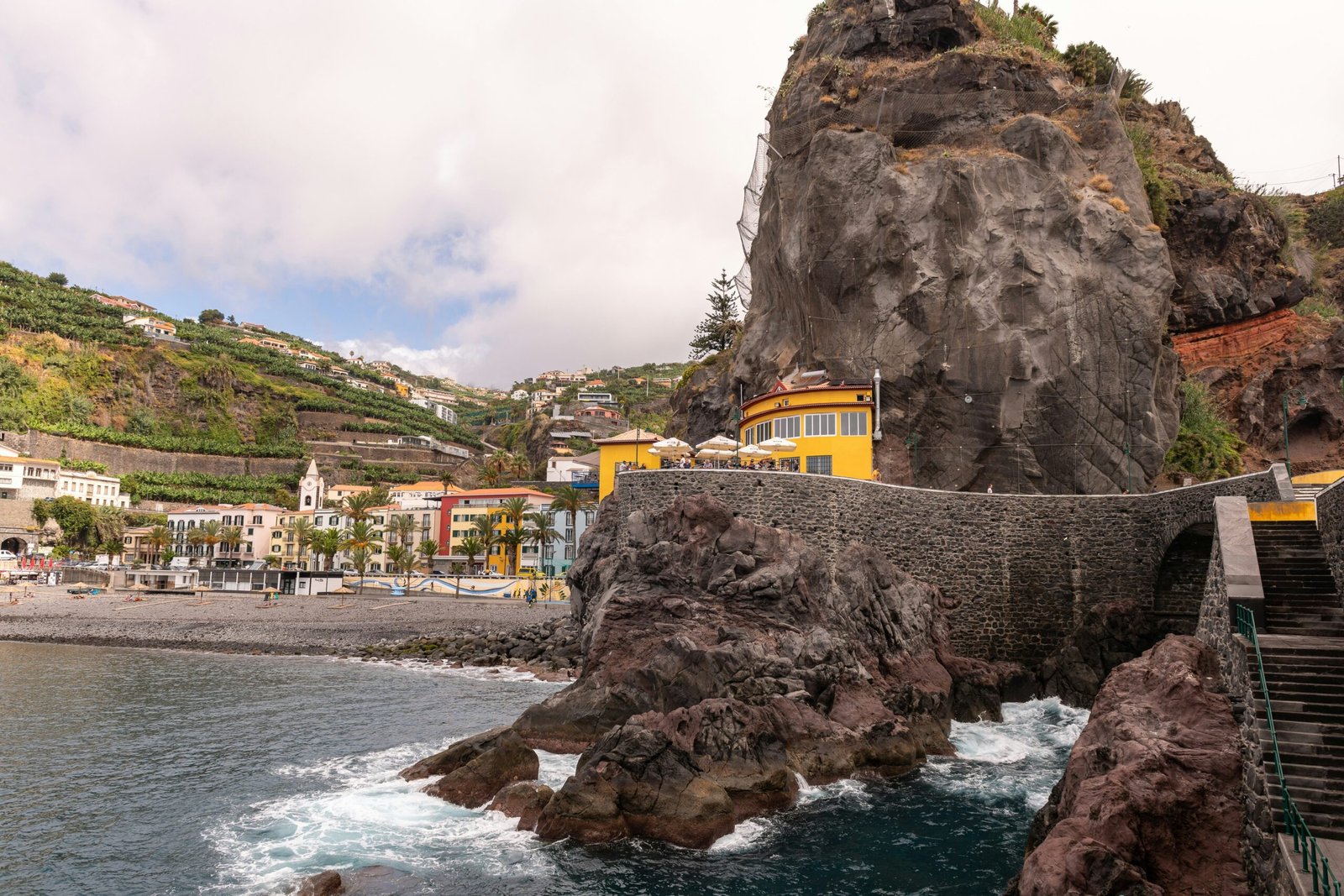
Levada das 25 Fontes is one of the best-known routes on the island. The setting is beautiful, but the experience changes dramatically depending on the time of day. If you arrive early, you can walk more calmly. If you arrive late, some narrow sections turn into a slow line of visitors.
The most important practical decision here is simple: leave early, bring some food and do not assume everything will be quick. A route that looks comfortable on paper can take longer because of parking, internal transfers, photos, mud or congestion on the trail.
Ponta de São Lourenço
Ponta de São Lourenço, at the eastern end of Madeira, offers a much drier, more open and volcanic landscape than other areas of the island. It is a very photogenic route, but exposed to sun and wind. In summer, doing it late can be uncomfortable because there is little shade.
The ideal approach is to start early, bring enough water, use sun protection and not underestimate the wind. This is not a route to squeeze in at the last minute or to do after an intense morning in another area.
Porto Moniz
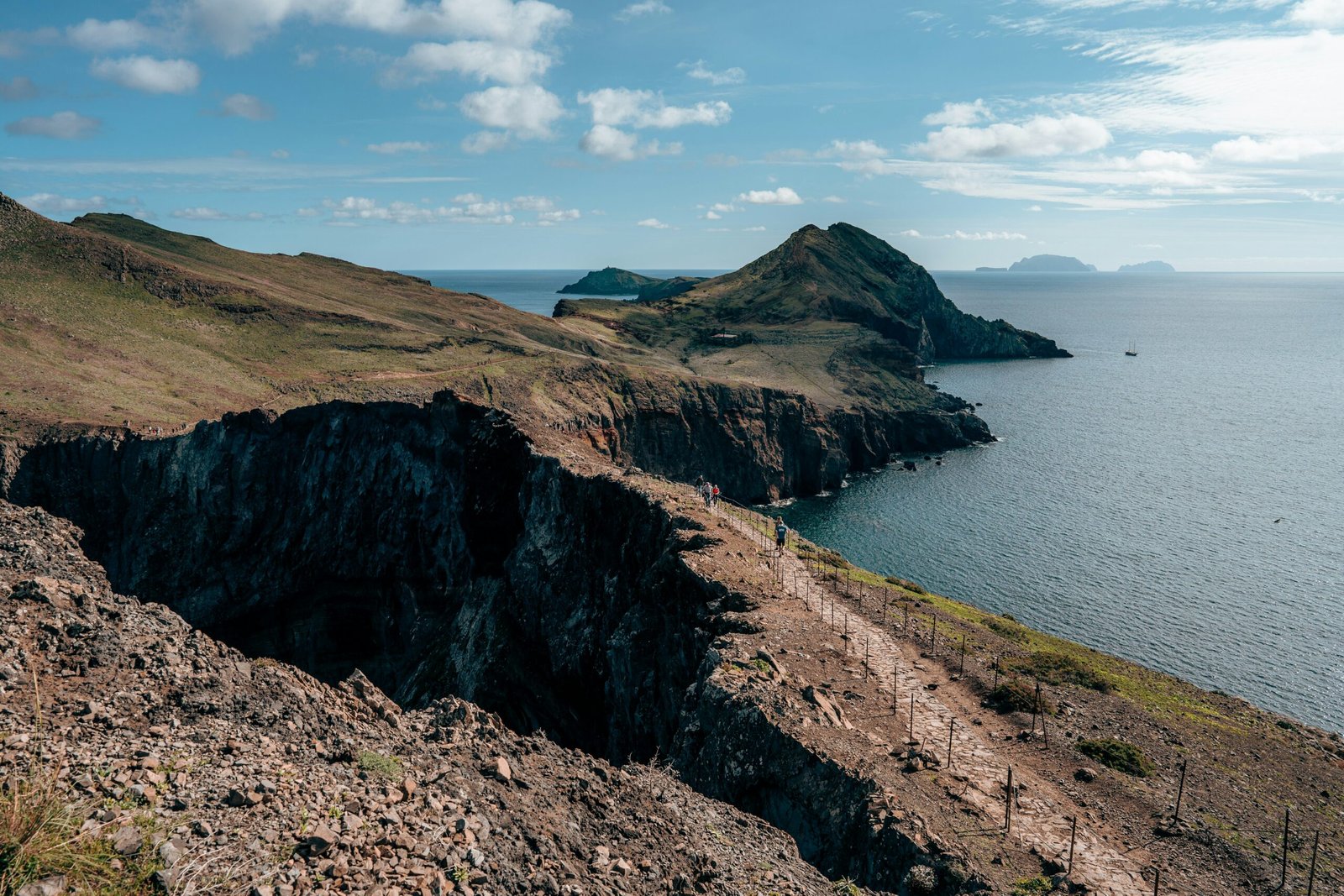
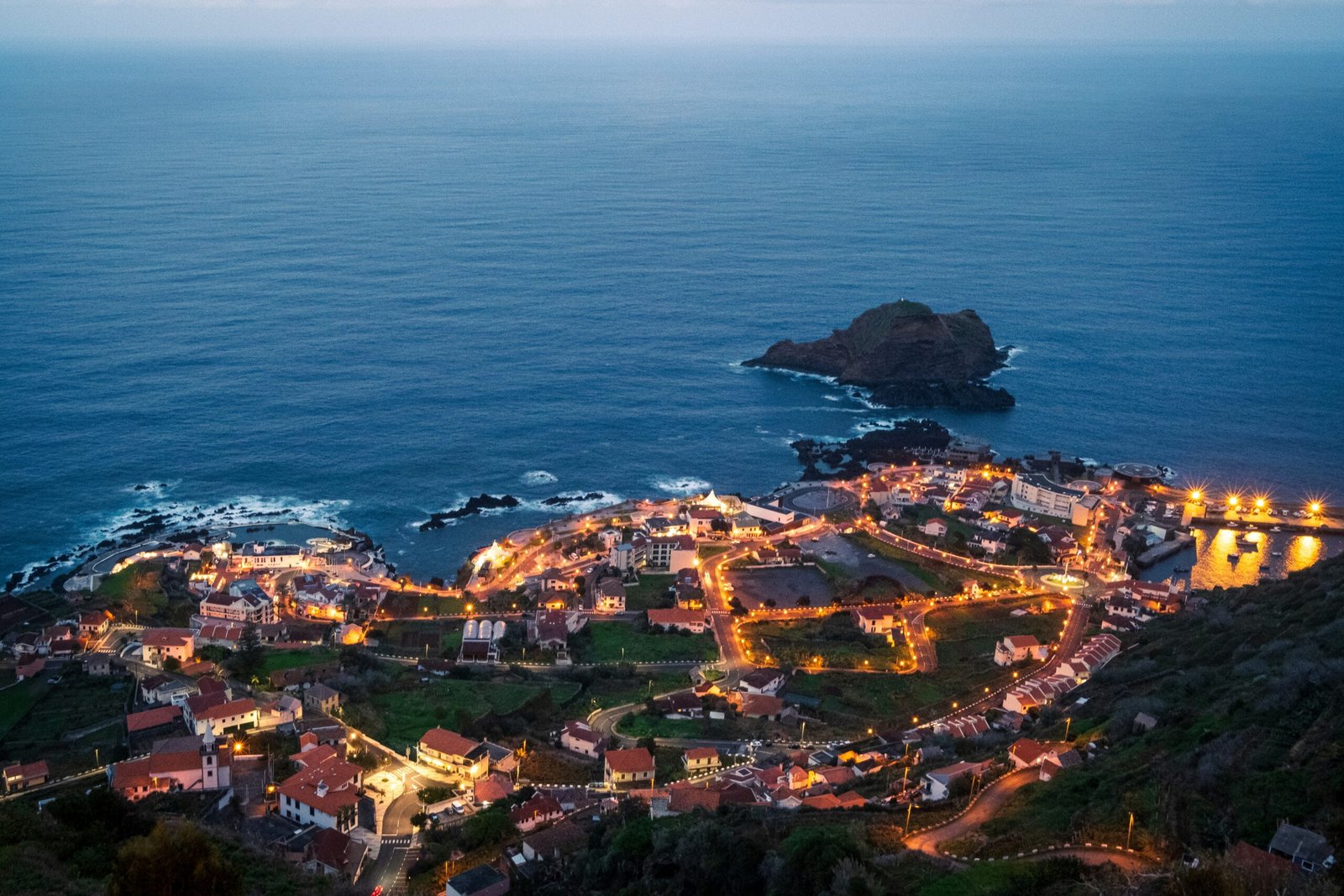
Porto Moniz is famous for its natural pools, but it should not be treated as an isolated stop if you are leaving from Funchal. The transfer can be long, so it works better within a route through the north or west. Sea conditions also matter a lot: some days are perfect for swimming, while on others the experience loses value.
If you go to Porto Moniz, try not to arrive with the day too tight. Between the road, stops at viewpoints and the time you will probably want to spend by the sea, the visit often takes longer than expected.
Santana
Santana is known for its traditional triangular-roof houses. The visit is usually short, so it makes more sense to combine it with other points in the north or east. If you arrive before organized groups, the experience is calmer and more photogenic.
Cabo Girão
Cabo Girão is an easy stop from Funchal or Câmara de Lobos. The glass platform is impressive, although the actual visit does not usually require much time. It works well at the beginning or end of the day, avoiding the hours when tour buses are most concentrated.

How to get there
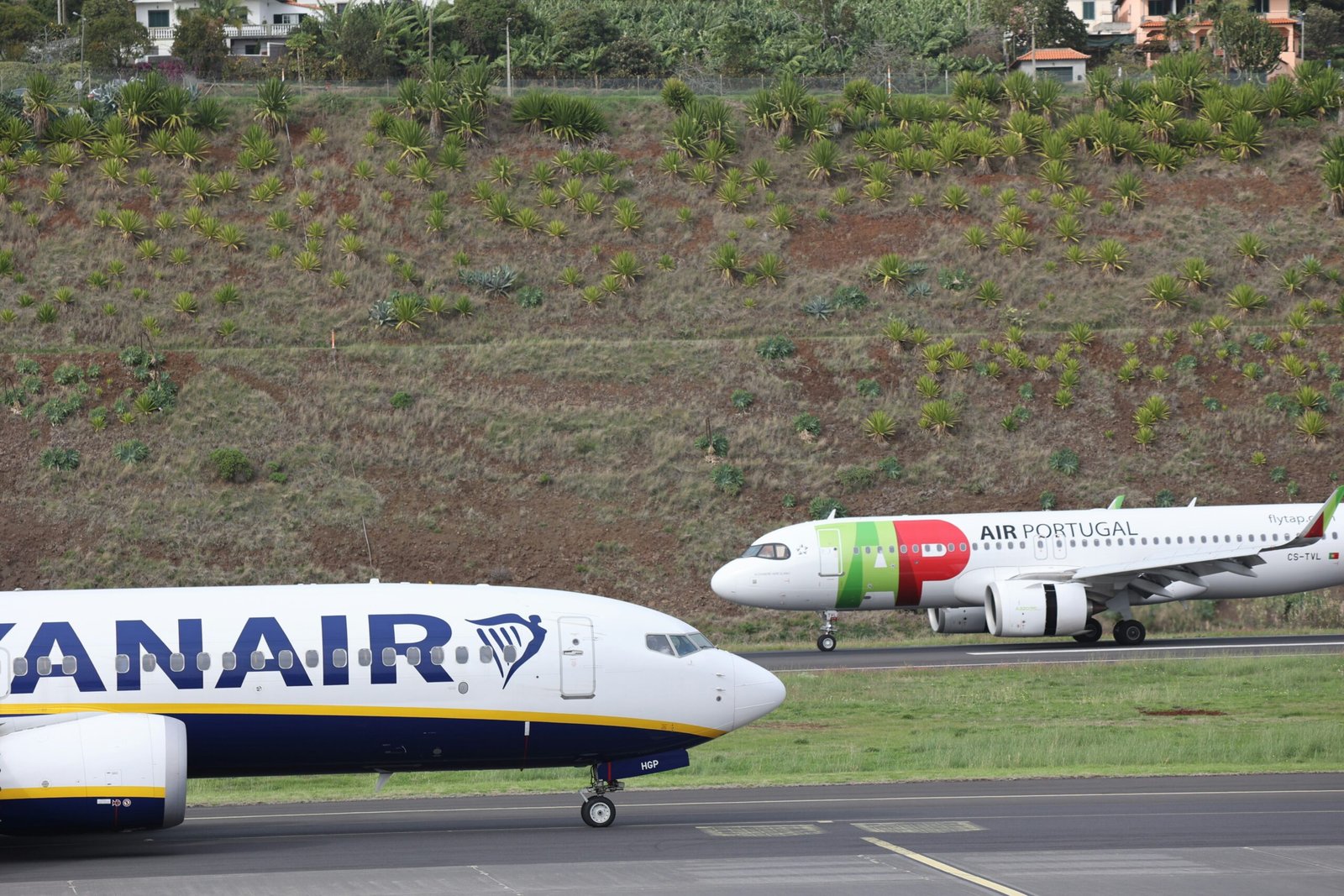
The usual gateway to Madeira is Cristiano Ronaldo International Airport, located near Santa Cruz and around 20-25 minutes from Funchal in normal conditions. Most travelers arrive by plane from Lisbon, Porto or other European cities, although direct flight availability changes by season.
If you are still comparing flights, it is worth checking connections with margin and avoiding very tight layovers. To search combinations from several European cities, you can compare options on Kiwi, especially if you are flexible with dates or departure airports.
Madeira has an airport known for windy approaches. This does not mean the trip is unsafe, but delays, waiting time or schedule changes can happen on complicated days. That is why you should not book a demanding route, a long hike or an important activity immediately on arrival day.
| Option from the airport | Approximate time | Indicative cost | When it makes sense |
|---|---|---|---|
| Aerobus | 30-40 min | Low | If you stay in Funchal or the hotel zone |
| Taxi | 20-30 min | Medium | If you arrive late or with luggage |
| Private transfer | 20-30 min | Medium/high | If you travel as a couple, family or group |
| Rental car | Variable | Variable | If you are going to explore the island for several days |
A rental car is the most practical option for exploring Madeira freely, but it is not always convenient to pick it up immediately. If you arrive late, tired or plan to spend the first day in Funchal, it may be more comfortable to sleep one night without a car and collect it the next day. This avoids driving at night, paying unnecessary parking and dealing with the rental process while tired.
For specific excursions, especially if you do not want to drive on mountain roads, you can book organized activities around the island through platforms such as GetYourGuide or Klook. You do not need tours every day, but for Pico do Areeiro, levadas, long routes or west-coast days, they can be a comfortable solution if you prefer to avoid driving and parking.
Where to stay
Choosing accommodation in Madeira is not a secondary detail: it shapes every day of the trip. The island is not huge, but real transfer time can multiply if you choose a base that does not match your plans.
For a first visit, Funchal is usually the most balanced option. It has services, restaurants, supermarkets, urban life and comfortable departures toward several areas. For a second visit or a trip focused strongly on nature, it may make sense to split the stay between Funchal and another area such as Calheta, Santana or São Vicente.
| Area | Main advantage | Drawback | Ideal profile |
|---|---|---|---|
| Central Funchal | Comfort, restaurants and walking access | Complicated parking | First visit, couples, low-stress trip |
| Lido | Hotels, coast and tourist services | Less local charm | Travelers looking for pool, sea and services |
| Caniço | Quieter and close to the airport | Dependence on car | Travelers with car and mid-range budget |
| Calheta / Ponta do Sol | Good light, coast and relaxed atmosphere | Farther from the east and north | Relaxed trip, sun, longer stays |
| São Vicente / Santana | Nature and access to the north | Far from Funchal | Hiking, second visit, disconnection |
One detail many people ignore: if you rent a car, accommodation with parking is worth more than it seems. In Funchal, losing 30-45 minutes every night looking for parking can damage the feeling of an efficient trip. Sometimes paying a little more for a hotel or apartment with parking saves time, stress and small fines.
If you travel for 6 or 7 days, a very smart strategy is to split the stay: several nights in Funchal and one or two nights in the north or west. It is not mandatory, but it reduces repeated transfers and lets you experience another Madeira, more rural and quiet.
The feeling changes a lot depending on where you sleep. In Funchal you have comfort and easy dinners. In the north you have silence, nature and less traffic, but any long return is noticeable. In Calheta or Ponta do Sol the trip becomes more coastal and relaxed, although some eastern routes are farther away. That is why there is no perfect area for everyone: there is a logical area depending on your type of trip.

Where to eat
Eating in Madeira can be a fantastic part of the trip, but also a source of logistical mistakes. Funchal has plenty of options and wider hours. In rural areas, however, some restaurants close between services, operate shorter schedules or fill quickly when excursions and groups coincide.
The practical rule is simple: if your day includes hiking or a route through the north, do not depend on finding food spontaneously. Carry water, fruit, nuts or something basic in your backpack. It sounds minor, but it can save the day when you finish a levada later than expected.
| Area | What to expect | Practical advice |
|---|---|---|
| Central Funchal | More variety and wider opening hours | Book if you dine after 20:00 in high season |
| Lido / hotel zone | Easy options, more tourist-oriented | Useful for simple dinners, but compare reviews |
| Câmara de Lobos | Fish, local atmosphere and views | Good stop near Funchal and Cabo Girão |
| Porto Moniz | Restaurants near the natural pools | Better to arrive before peak lunch time |
| Santana / rural north | Traditional food, shorter hours | Do not push lunch too late |
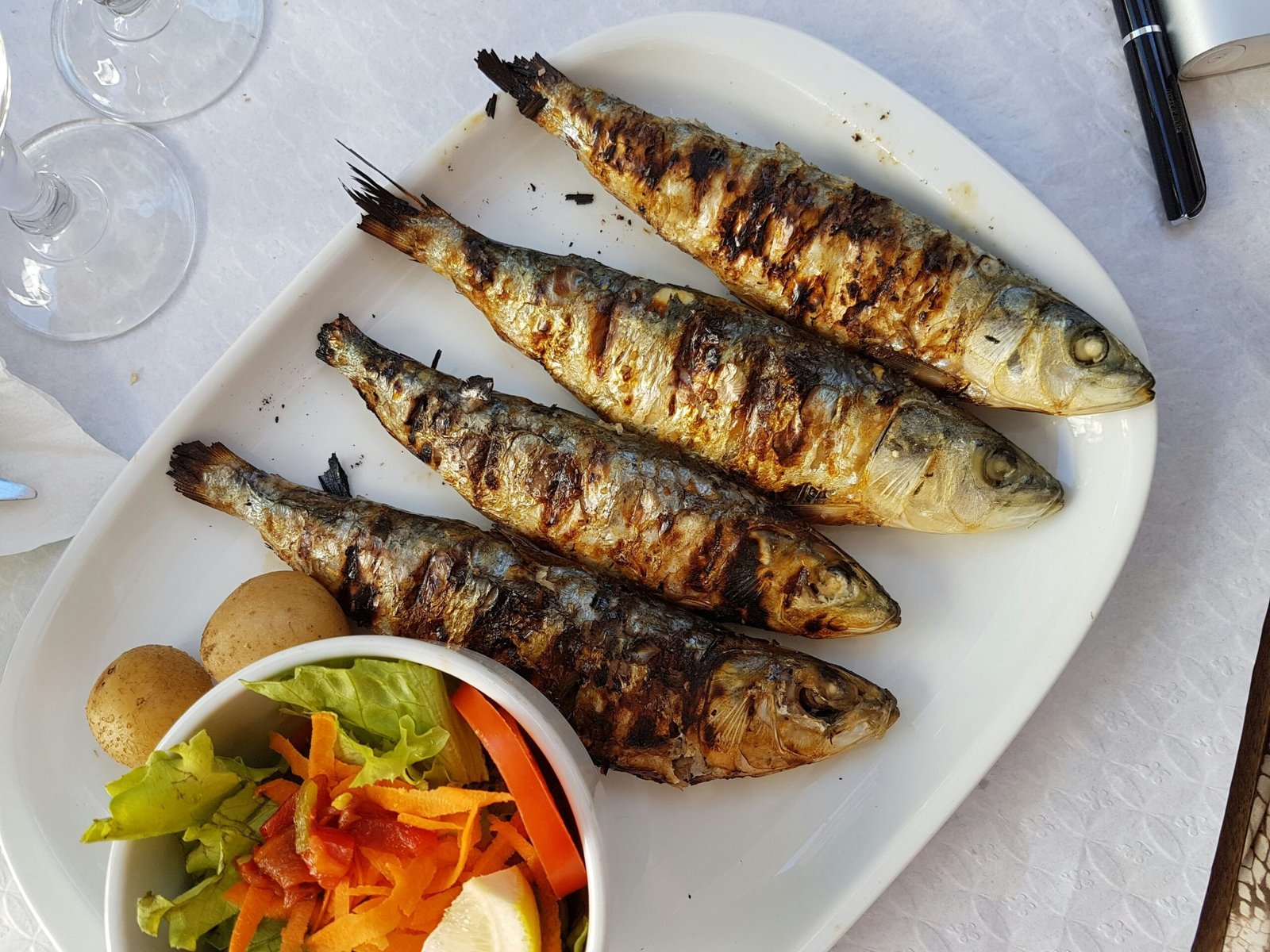
Typical dishes worth trying include espetada, bolo do caco, peixe espada with banana, lapas and poncha. A good practical trick is not to leave gastronomy only for dinner. A well-chosen meal on the route, for example in Câmara de Lobos or Porto Moniz, can turn a transfer into a memorable experience.
The typical micro-experience in Madeira is this: you leave early, do a route, spend more time than expected taking photos, return to the car hungry and discover that the restaurant you had seen on Google is closed or full. The solution is not to overcomplicate things, but to always carry a plan B: a snack in your backpack, two saved restaurants and closing times checked before leaving.
Suggested route by days
For Madeira to work well, it is better to build the itinerary as a sequence of areas rather than a list of isolated places. This proposal is flexible, but it helps avoid the classic mistake of crossing the island several times without need.
| Available days | Recommended route | What to prioritize | What to avoid |
|---|---|---|---|
| 3 days | Funchal + east + north/west | Ponta de São Lourenço, Funchal, Porto Moniz or Pico do Areeiro | Trying to do all the famous levadas |
| 5 days | Funchal + east + west + north + mountain | Balanced route with weather margin | Scheduling hard hiking every day |
| 7 days | Complete route by sectors | Split accommodation or leave flexible days | Staying only in Funchal if you want to explore deeply |
| 10 days | Slow Madeira + optional Porto Santo | Hiking, coast, villages and rest | Overplanning every hour |
Practical 5-day itinerary
- Day 1 — Arrival and Funchal: settle into your base, explore the center, have dinner without rushing and avoid driving too much if you arrive tired.
- Day 2 — Eastern Madeira: Ponta de São Lourenço, Machico and nearby viewpoints. An ideal day to start early.
- Day 3 — Mountain: Pico do Areeiro or the route toward Pico Ruivo if the weather allows. Leave the afternoon free to rest or return to Funchal without pressure.
- Day 4 — West and north: Cabo Girão, Ponta do Sol, São Vicente and Porto Moniz, adjusting according to weather and real timing.
- Day 5 — Levada or relaxed Funchal: Levada das 25 Fontes if you have energy, or a softer day with gardens, cable car, marina and coast.
This type of route avoids one of the most common failures: putting mountain, levada, coast and traditional village in the same day. In Madeira that sounds efficient on paper, but it often ends in fatigue, late meals and rushed visits.
A good Madeira route does not need to be packed with activities. It needs to breathe. If each day has one main priority, a flexible second stop and a weather alternative, the trip becomes much more controlled.
Practical travel tips
- 1. Plan by areas, not by distance: In Madeira, 25 km can be 25 minutes or almost an hour depending on the road, curves and altitude. Grouping nearby places reduces fatigue and improves rhythm.
- 2. Check webcams before going up to high viewpoints: Pico do Areeiro may be clear below and completely covered above. Checking visual conditions before leaving can save you a wasted morning.
- 3. Book your rental car in advance if you travel in high season: Prices rise quickly and automatic cars can sell out. If you are not comfortable driving on slopes, prioritize a car with enough power and clear insurance.
- 4. Do not necessarily pick up the car on arrival day: If you arrive late or plan to spend the first day in Funchal, collecting it the next day may be more logical and cheaper.
- 5. Always carry an extra layer: You can leave Funchal in warm weather and find cold, humidity or strong wind in the mountains. A light waterproof jacket changes the experience a lot.
- 6. Start early for popular routes: At Levada das 25 Fontes, Pico do Areeiro or Ponta de São Lourenço, leaving early means easier parking, fewer people and more margin for weather changes.
- 7. Save offline maps: Coverage can fail in mountain areas. Download the Madeira map before the trip and save key points: hotel, parking areas, viewpoints, gas stations and restaurants.
- 8. Carry enough mobile data or an eSIM: For routes, weather, webcams and road alerts, internet helps a lot. You can review eSIM options for Portugal with Airalo before traveling.
- 9. Do not fill every day with hiking: Madeira is more tiring than it looks. Combining routes, driving and altitude changes several days in a row can take a toll.
- 10. Book key activities if you travel in high season: Excursions, guided routes, boat trips and popular activities can sell out. To compare experiences, you can review options on GetYourGuide or Klook.
- 11. Refuel before long routes: Do not push the fuel tank if you are heading north, west or into the mountains. Gas stations are not always where you need them.
- 12. Carry small cash: Although cards work in many places, some parking areas, markets or small businesses may require cash or work better with coins.
- 13. Avoid driving at night on secondary roads: There are slopes, curves, humidity and little lighting. If you do not know the island, it is better to return while there is daylight.
- 14. Wear proper hiking shoes: Not all routes are difficult, but many areas can be wet. Poor footwear forces you to walk more slowly and increases the risk of slipping.
- 15. Always leave a flexible block: In Madeira, a plan B is not weakness: it is logistical intelligence. If the mountain is covered, you can switch to the coast, Funchal, gardens or nearby villages.
Common mistakes and what not to do
- 1. Trying to explore the whole island in two days: Madeira is not enjoyed by ticking points off a list. If you concentrate too much, you will spend more time in the car than in the places.
- 2. Trusting only the map: The map does not show the fatigue of driving through tunnels, curves, slopes and narrow roads. Always calculate extra margin.
- 3. Leaving late for hiking routes: Arriving after 10:00 at popular routes usually means difficult parking, more people and less margin to complete the walk.
- 4. Going up to the mountains without checking the weather: Fog can ruin viewpoints and routes. If the top is covered, it may be better to switch to the coast.
- 5. Staying far from everything to save very little: Cheap accommodation in a poor location can cost you hours of driving during the whole stay.
- 6. Not booking or verifying parking: In Funchal, having a car without parking can become a daily annoyance.
- 7. Eating too late in rural areas: Not all restaurants have continuous opening hours. On excursion days, eating late can complicate the entire afternoon.
- 8. Doing demanding routes with urban shoes: Levadas can be wet, slippery or muddy. Bad footwear turns a beautiful walk into an unnecessary risk.
- 9. Not having a plan B: In Madeira, a plan B is not optional. If the weather fails in the mountains, you need an alternative on the coast, in Funchal or in nearby villages.
- 10. Scheduling an important activity on arrival day: Between possible delays, car rental, fatigue and transfer, that day should stay light.
- 11. Underestimating altitude changes: You can leave the coast in short sleeves and need a jacket in less than an hour. Temperature change matters much more than it seems.
- 12. Not checking closures or route conditions: Some routes may have closed sections due to works, landslides or weather conditions. Checking before leaving avoids useless transfers.
Safety and recommendations
Madeira is a safe destination, but it requires caution on roads and trails. The main risk is usually not crime, but underestimating the mountains, weather, elevation changes and conditions on some routes.
When hiking, wear shoes with grip, carry water, stay on marked paths and avoid exposed routes if there is rain, strong wind or fog. Levadas may seem easy because of their layout, but some sections have side drops, humidity and narrow passages.
On the road, drive calmly. Steep slopes, tight curves and visibility changes can surprise you. If you are not used to mountain driving, avoid night routes and do not let yourself be pressured by local drivers who know the road better.
It is also worth traveling with adequate medical coverage. If you are going hiking, renting a car or moving through remote areas, travel insurance can give you extra peace of mind. You can compare options on VisitorsCoverage, especially if you travel from outside the European Union or want broader coverage.
| Risk | Where it happens most | How to reduce it |
|---|---|---|
| Sudden fog | Peaks and high areas | Check webcams and keep a plan B |
| Slips | Levadas and wet trails | Trekking shoes and careful pace |
| Driving fatigue | North/west routes | Do not chain too many points in one day |
| Lack of food or water | Rural areas and long routes | Carry snacks, water and check opening hours |
| Full parking areas | Popular routes and Funchal | Start early and choose accommodation with parking |
The best general recommendation is to travel with margin. In Madeira, one extra hour can save you from rushing, driving stressed or arriving late to a route after the weather has already changed.
Frequently asked questions
- How many days are ideal for visiting Madeira?
Between 5 and 7 days is ideal. With 3 days you can see a representative part of the island, but you will need to prioritize heavily. With one week you can combine Funchal, mountains, levadas, north coast, viewpoints and a more relaxed day without always rushing. - Is renting a car essential in Madeira?
It is not essential, but it is highly recommended if you want to explore the island independently. Without a car you can move around Funchal, use organized excursions and public transport, but you will lose flexibility for reaching routes, viewpoints and rural areas early. - Where should you stay on a first visit?
Funchal is the most practical base for a first visit because it concentrates services, restaurants, transport, hotels and good connections with several areas. If you stay more than 6 days, you can combine Funchal with a second base in the north or west. - What is the best time to travel to Madeira?
Madeira can be visited all year round thanks to its mild climate. Spring and autumn usually offer a good balance between pleasant weather and fewer crowds. In summer there is more demand and higher prices; in winter there may be more rain, but also fewer people. - Is Madeira good for traveling without a car?
Yes, but with limitations. You can stay in Funchal, book excursions and use buses for some transfers. Even so, many natural routes, viewpoints and rural areas are much easier to organize with a car or tour. - What area is best for hiking?
It depends on the type of route. For mountains, Pico do Areeiro and Pico Ruivo are clear references. For levadas, 25 Fontes and other inland routes are very popular. For open coastal scenery, Ponta de São Lourenço is one of the best options. - Is driving in Madeira dangerous?
It is not dangerous if you drive carefully, but it can be demanding. There are slopes, curves, tunnels, narrow roads and weather changes. If you do not have mountain driving experience, avoid driving at night and choose a comfortable car for climbs. - Should you book excursions in advance?
Yes, especially in high season or if you want to do specific routes without a car. Excursions to mountain areas, levadas, whale and dolphin watching or west-coast tours can sell out on high-demand dates. - What should you always carry in your backpack?
Water, some food, a light jacket, sun protection, power bank, offline map and suitable shoes. In Madeira you can move from sunny coast to humid mountain in a short time.
Conclusion
Organizing an efficient trip to Madeira does not depend only on choosing beautiful places, but on understanding how the island works. The key is to divide it by areas, calculate real times, start early when necessary, leave weather margin and avoid turning each day into a race against the map.
Unlike cities such as Lisbon and Porto, where logistics depend mainly on urban transport, in Madeira the rhythm is shaped by roads, weather, parking and physical energy. Here it is not enough to know what to visit: you need to know when to go, how to get there and what not to try to do on the same day.
Madeira rewards travelers who make decisions with judgment. If you choose the right base, group routes by sectors, book the important things in advance and keep flexibility, the island becomes much easier to enjoy. Instead of feeling like you are chasing the itinerary, you begin to travel with control, calm and better decisions.
The difference between a superficial visit and a truly memorable experience lies in those small adjustments: leaving earlier, carrying a jacket, checking the weather, having food in your backpack, not driving at night on complicated roads and accepting that sometimes changing the plan is the best decision of the day.
🌍 More guides about Portugal
-
Lisbon without surprises: practical tips and mistakes to avoid
-
Porto without surprises: practical tips to explore the city and avoid mistakes
-
Sintra: how to organize your visit and avoid logistical mistakes
-
Algarve: strategic guide to organize your trip and avoid logistical mistakes
-
Complete guide to traveling in Portugal