

Photo: alexisribeyrecarnetdevoyage / Unsplash
GlobeVision™ — Real strategy for exploring Cinque Terre without wasting time
📊 GlobeVision™ Strategic Index
📍 Analyzed destination: Cinque Terre
🌍 Destination type: Region
🧳 Travel profile: Optimized travel route
💰 Budget profile: High
📋 Recommended planning: High
⚙️ Logistical complexity: High
🧭 Cinque Terre operational summary
🌍 Quick destination keys
Cinque Terre
Italy
Region
High
📊 Practical data for Cinque Terre
📊 GlobeVision™ Indicators
High
Medium
High
High
Introduction
If you are building a broader route through Italy, destinations such as Strategic Logistics Guide to Optimizing Your Trip to Rome and Strategic Venice: premium guide to routes, zones, and logistical optimization can fit very naturally into the same itinerary.
This guide is designed to help you master Cinque Terre without wasted time or operational surprises. It is not a postcard. It is a field manual. Here you will learn how to connect Monterosso al Mare, Vernazza, Corniglia, Manarola, and Riomaggiore using the regional train, when the Blue Trail (Sentiero Azzurro) is worth doing and when it is smarter to skip it, and how to choose between sleeping inside the villages or basing yourself in La Spezia or Levanto to optimize both time and cost. Every decision comes with numbers: minutes, euros, distances. The goal is to remove friction, avoid repeated mistakes, and keep control in a territory where tourist saturation can break your plan in half an hour.
Picture this: it is 10:05 in Monterosso, and the 10:08 train is running +6 minutes late. The stairway to platform 1 clogs up in less than a minute. If your ticket is already validated and you positioned yourself near the center carriage, you board in 10 seconds. If not, you miss it, and the next departure is 22–30 minutes away. That is exactly what this guide is for: anticipating real micro-scenes. We will work with the Cinque Terre Card, lower-density time windows in each village, ferries when the sea allows them, and walking alternatives so your day does not collapse because of one trail closure.
The Cinque Terre National Park is fragile, beautiful, and operationally unforgiving. Most mistakes come from underestimating it: assuming it is “small” and that “everything is close.” Linear distances lie. The topography forces 100–250 meters of elevation gain in very little time. A badly timed transfer between train and trail can easily steal 40 minutes. With the following sections, you will turn the map into efficient logistical sequences, and the day will stop depending on luck.
Mini anecdote: one of the easiest mistakes here is also one of the most common. I once saw a couple get off in Corniglia smiling because they thought they were “already there,” only to freeze when they saw the climb ahead. They had one rolling suitcase each, no bus card, and no water. Twenty minutes later they were still halfway up, exhausted and slightly annoyed with each other. Cinque Terre does that to people who arrive with postcard expectations instead of operational ones.
Best places to visit
Monterosso al Mare: the best base in pure functional terms, with the largest lodging supply and Fegina Beach. If your priority is minimizing luggage friction, Monterosso saves 10–15 minutes compared with the other villages because the walk between station and accommodation is flatter. On calm-sea days, the ferry works well here, useful for a fast coastal transfer to Vernazza in 10–12 minutes when the train is delayed.
Vernazza: compact harbor, high visual return, low walking distance. From the station to the harbor, expect 230–300 meters. In medium density, 11:30–13:00, the crossing through the main street can still take 6–8 minutes. A quick coffee by the waterfront is enough to check sea conditions and decide whether to continue by ferry or return to the train network.
Corniglia: the only village whose station sits below the town. The Lardarina staircase has 377 steps. If you are carrying an 8–10 kg backpack, calculate 12–18 minutes to reach the center, plus a short recovery pause. The shuttle bus included with the Cinque Terre Card takes 5–7 minutes, but in peak times the wait can climb to 15. Trails from here to Vernazza or Manarola are frequently affected by closures, so never commit without checking first.
Manarola: your most efficient sunset village. From the station to the harbor viewpoint, it is under 300 meters; with high foot traffic, 7–9 minutes. If maritime service is active, it becomes one of the best tactical links to Riomaggiore. The area also performs well late in the day because the visual payoff is high even with a short visit.
Riomaggiore: more vertical, more stepped, more physically demanding. From the station to the marina, it takes 6–10 minutes depending on luggage and crowd density. It works very well as a first or last stop because of its strong link to La Spezia, usually 10–12 minutes by train. The climb toward the Sanctuary of Montenero is a good tactical escape if you want fewer people and more breathing room.
The Cinque Terre National Park and the Blue Trail: when sections are open, walking efficiency is excellent if you begin early, ideally before 08:30. Monterosso–Vernazza is around 3–3.5 km and usually 90–120 minutes with short photo stops. Vernazza–Corniglia is similar. But closures for weather or maintenance are normal here. When the ranger tells you to turn back, negotiating is a waste of 5–10 minutes that changes nothing.
How to get there
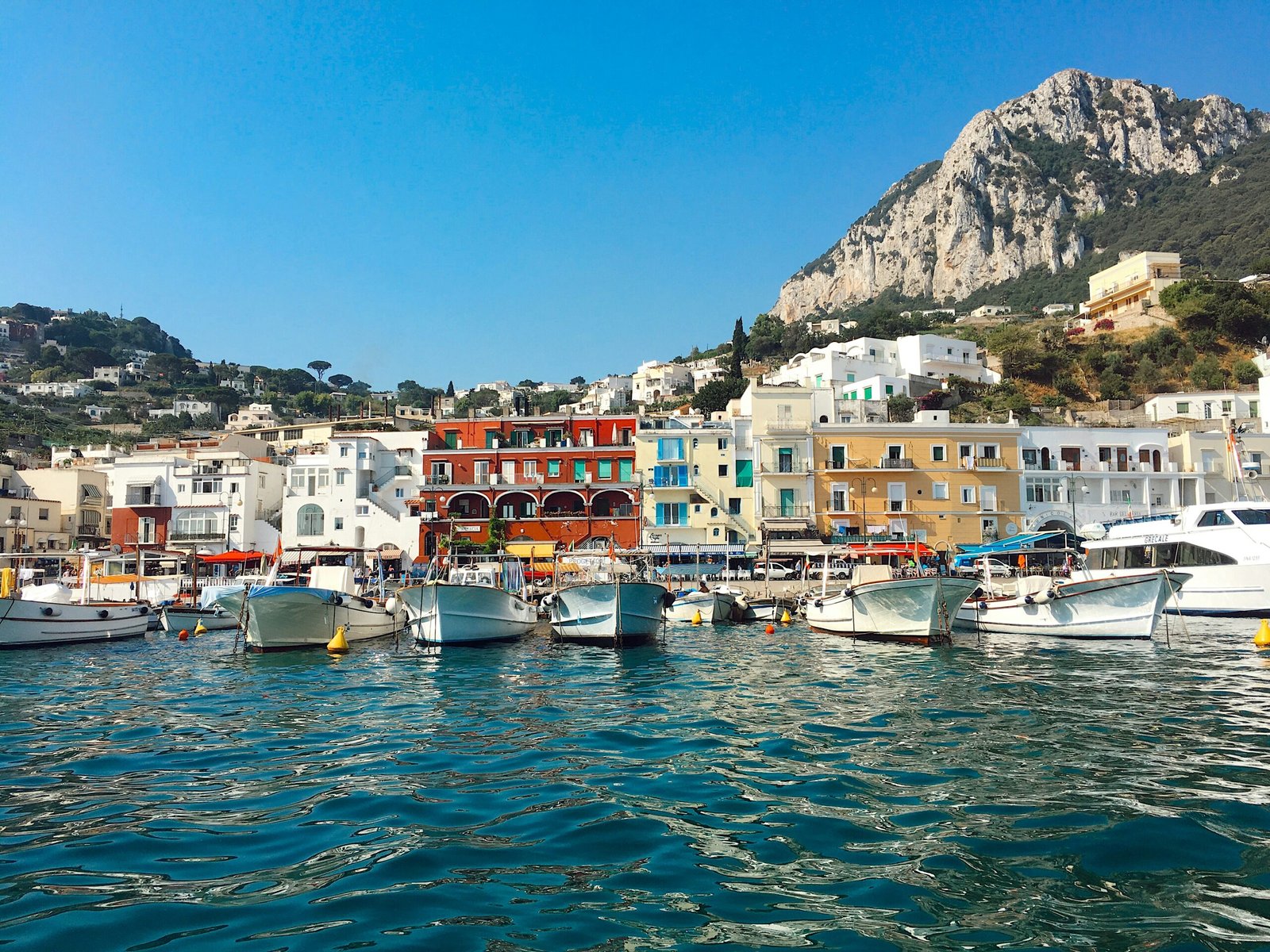
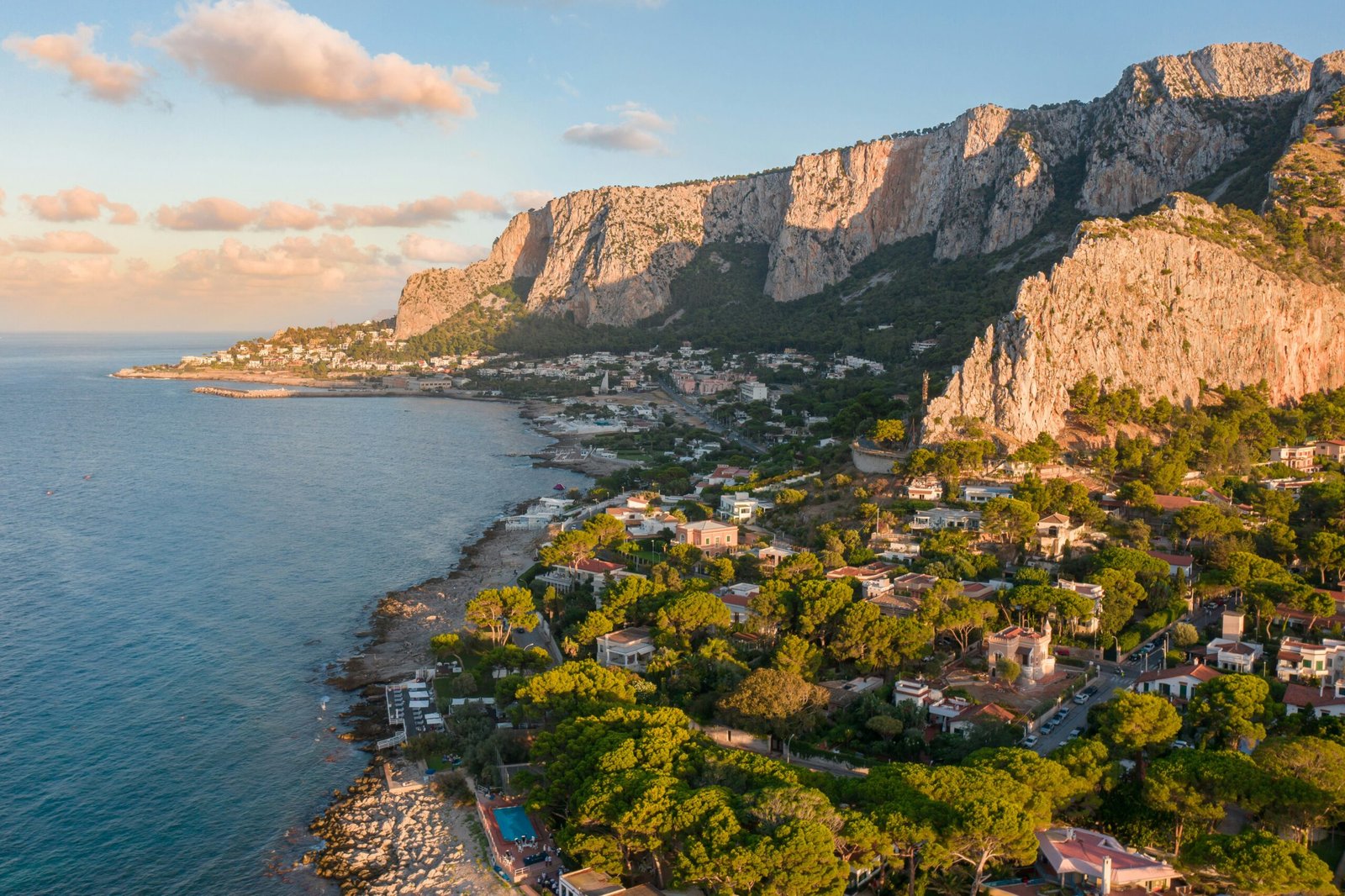
You can also combine this region with destinations such as Capri: travel guide and practical tips and Sicily: travel guide and practical tips if you are building a more complete Italian route.

Photo: alexisribeyrecarnetdevoyage / Unsplash
By train: La Spezia Centrale and Levanto are your gateways. From La Spezia to Riomaggiore, expect 10–12 minutes; to Monterosso, 20–25. In high season, May to September, regional trains often run every 10–20 minutes. The Cinque Terre Treno Card includes unlimited rail travel for the day plus access to open trails. If you arrive from Pisa, 70–90 minutes, or Genoa, 75–100, sync your arrival with those regional gaps to avoid dead waiting time.
By car: not operational inside the villages. Park in La Spezia or Levanto, usually €12–20 per 24 hours in supervised lots, and transfer to the train. Trying to drive down toward Vernazza or Manarola can cost 30–50 minutes of pointless loops with no guarantee of space. Restricted-access fines can also exceed €80–100.
By air: Pisa and Genoa are the most useful hubs. Trains direct or with one connection place you in La Spezia or Levanto within 70–110 minutes. Add 15 minutes for the airport-station connection, plus a realistic 20-minute buffer for queues or missed elevators.
By coastal ferry, usually operational from spring to autumn when the sea is calm: Monterosso, Vernazza, Manarola, and Riomaggiore are linked by boat. Ferries become tactically useful when train delays exceed 15 minutes and your day is not tied to one rigid schedule. Arriving 20 minutes early and carrying some cash still matters, because overloaded ticket booths do not always process cards smoothly.
| Transport option | Typical duration | Estimated cost | Operational note |
|---|---|---|---|
| Regional train from La Spezia | 10–25 min | €5–€10 per stretch / card often better | Best overall backbone for moving between villages |
| Regional train from Levanto | 5–20 min | €5–€10 per stretch | Useful if you sleep north of the park |
| Car + parking outside villages | Variable | €12–€20 parking/day + fuel | Good only for arrival logistics, not internal movement |
| Coastal ferry | 10–35 min | €10–€30 depending on route | Great tactical alternative when the sea is calm |
| Pisa / Genoa airport connection | 70–110 min total | €20–€40 approx. | Usually 1 transfer, sometimes direct |
Where to stay

Photo: ibrt / Unsplash
Monterosso al Mare: highest efficiency with luggage. Most accommodations sit 300–600 meters from the station on flatter terrain. If your train arrives between 14:00 and 16:00, check-in logistics are usually smoother. In high season, expect €140–260 per night for decent double rooms. Strength: easy arrivals, easier departures, lower physical load.
Vernazza and Manarola: maximum visual impact, lower luggage performance. Narrow staircases and passages with 10–20% incline are normal. If you carry more than 12 kg, add 8–12 minutes per segment. Rooms often range from €150–280 in high season. Great if you travel light, less great if you arrive tired with rolling luggage.
Corniglia: excellent if you plan to walk and do not mind a slightly quieter base. Less night noise, lower crowd pressure, and the shuttle bus offsets the staircase from the station. A strong choice for hikers who want a strategic early start.
Riomaggiore: very good for quick connections to La Spezia and late-afternoon viewpoints. But it is vertical. Add 6–12 minutes of uphill walking to many rooms. If you arrive after 21:00, always confirm access codes or remote check-in instructions in advance.
La Spezia or Levanto: often the smartest base if budget and predictability matter more than sleeping inside the postcard. Commutes range from 10–25 minutes, but accommodation can cost noticeably less, and arrivals are far easier. For many travelers, that trade-off is the real efficiency play.
| Base | High-season price range | Best for | Main drawback |
|---|---|---|---|
| Monterosso | €140–€260 | Luggage, easier access, beach time | Can feel busier in daytime |
| Vernazza | €150–€280 | Harbor atmosphere, compact visuals | Stairs and heavier crowd pressure |
| Corniglia | €120–€220 | Hikers, quieter nights | Station-to-town climb |
| Riomaggiore | €120–€240 | La Spezia access, sunset logic | Vertical layout, more effort with bags |
| La Spezia / Levanto | Usually lower | Budget, predictability, easier arrival | Daily train commute required |
Where to eat

Photo: ni_coperez / Unsplash
The basic strategy is simple: book lunch outside the 12:30–14:00 peak and dinner before 20:00 or after 21:30. In Vernazza, trofie al pesto usually sits around €12–16. In Monterosso, a fritto misto to share often lands between €16–22. In Manarola, focaccia and a glass of local Sciacchetrà are common practical choices. Corniglia’s terraces generally rotate more slowly and feel less rushed.
Try Monterosso anchovies, farinata, focaccia, and pistachio or lemon gelato. Avoid improvising dinner at 19:30–20:30 without a reservation, because waiting 25–40 minutes standing up is common. If you are connecting with a late ferry or train, eat earlier and lighter. That small move often saves both time and energy.
| Item | Typical price | Where it works best | Practical note |
|---|---|---|---|
| Coffee | €2–€5 | All villages | Best tactical pause in Vernazza or Monterosso |
| Trofie al pesto | €12–€16 | Vernazza / Manarola | Classic lunch option, easy operational choice |
| Fritto misto | €16–€22 | Monterosso | Good to share if you want speed and value |
| Focaccia + drink | €6–€12 | All villages | Best low-friction fast meal |
| Dinner per person | €25–€42 | All villages | Reserve if eating between 19:30 and 20:30 |
Practical travel tips

Photo: claudiopoggio / Unsplash
1) Buy the Cinque Terre Treno Card if you will chain together 4–8 train segments in one or two days and access the open trails. After just two or three separate validations, you are already close to the daily card value. Real example: four regional rides at €5–6 each already reach €20–24, and trail access adds more. The card usually closes the numbers while eliminating ticket-machine friction.
2) Use proper footwear and keep your hands free. In Corniglia, the Lardarina staircase is unforgiving, and the steps can be damp. Shoes with grip and a compact backpack save 5–8 minutes per segment and reduce the chance of the kind of slip that can destroy the rest of your day.
3) Reserve accommodation at least 21–30 days in advance in high season. Prices can jump 25–40% in the last week. The practical benefit is not only cost: you also gain faster arrival, easier luggage drop, and more usable daylight once you check in.
4) Carry water and snacks. On the Monterosso–Vernazza section, 1–1.5 liters per person in summer is not excessive. Add nuts or an energy bar. If you need to buy emergency water on-trail, you will pay more and lose rhythm.
5) Check trail status early, ideally between 07:30 and 08:30, at the park office or station. If the Vernazza–Corniglia section is closed, pivot fast to train and rebuild the day in 10 minutes. Waiting around to “see if they reopen” often burns a whole hour for nothing.
6) Start early. Reaching Monterosso on the 07:50–08:20 train can reduce trail density by 60–70%. The same stretch that takes 90–100 minutes early can stretch to 120–140 by late morning because of congestion on stairs and viewpoints.
7) Use the regional train as your backbone and the ferry as a tactical accelerator. If you detect sustained train delays above 15 minutes, a short ferry jump can restore your schedule. Just remember to budget 20 minutes for the ticket line if the pier is busy.
8) Active sun protection is logistics, not cosmetics. In exposed stretches, 60–70% of the path may have no real shade. Hat, sunglasses, and SPF 30–50 are basic operational gear. Without them, your pace drops, and one lost village often begins with one overheated climb.
9) Carry some cash. Card terminals fail more often than people expect in crowded moments or narrow streets with weak signal. €40–60 per day in small notes is usually enough to save you from missing a train because a payment takes too long.
10) Plan local purchases in transport terms. A bottle of Sciacchetrà adds real weight. If you buy it, either ship it home or avoid stacking two steep climbs afterward. The wine is lovely. Carrying it at the wrong time is not.
11) Eat outside peak windows. Lunch at 11:30–12:15 or 14:30–15:30. Dinner at 19:00–19:45 or after 21:15. This alone can save 25–40 minutes of queueing and keeps your day structurally cleaner.
12) Use modular luggage. Leave the heavy bag in La Spezia or Levanto storage, usually €5–10 per item per day, and enter the villages with a 20–30 liter backpack. A steep 150-meter uphill segment feels very different with 6 kg than with 20.
13) Build sunset plans with a guaranteed return. If you want to watch sunset in Manarola, preselect a train 40–60 minutes after sunset time. That gives margin for slow restaurant bills, crowded platforms, or one missed connection without turning the night into a problem.
14) Learn the internal shortcuts of each village. In Vernazza, a less crowded parallel lane can save several minutes compared with forcing your way through the main street at peak time. The gain is small once, but large when repeated several times in one day.
Common mistakes and what not to do

Photo: baileygullo / Unsplash
1) Trying to “do all five villages” in one day without priorities. In reality, that often turns into 12–16 transitions and 60–90 minutes wasted in queues, stairs, and platform changes.
2) Not checking train times and ending up stranded. After 22:30–23:30, frequency drops. A badly timed dinner in Manarola can translate into 35–50 minutes of useless waiting or a very expensive taxi.
3) Ignoring park closures due to weather or maintenance. If you insist on a closed trail, the ranger turns you around in two minutes and you have still wasted 40 getting there and back.
4) Not booking accommodation early enough. Within 72 hours, prices can jump sharply, and the alternatives often mean extra daily train time or much worse luggage performance.
5) Underestimating trail difficulty. Monterosso–Vernazza is not a casual promenade in slippery shoes. A tired ankle at noon can wipe out the entire afternoon.
6) Forgetting to validate a ticket if you are not using the Treno Card. One rushed boarding plus a control check can mean a needless fine and a frustrating conversation that steals both money and momentum.
7) Not carrying enough water. Buying it later costs more and may not even be possible when you need it. Heat plus under-hydration equals slower walking and lost visits.
8) Believing you can drive “to the door of the hotel.” ZTLs, limited access, and very small roads make this one of the most expensive illusions in Cinque Terre.
9) Breaking park rules for a better photo angle. One unnecessary detour off-trail can cost you a fine, a fall, or both.
10) Neglecting your belongings in crowded platforms and narrow streets. Losing a document or wallet in this region is not a five-minute inconvenience. It is a half-day disruption.
11) Eating only at peak time. Waiting for a table at 12:50 in Manarola or Vernazza is one of the easiest ways to destroy a good schedule.
12) Improvising night routes without light or battery. Narrow streets, stairs, and uneven pavement turn simple returns into 10–15 extra minutes when you are already tired.
Safety and recommendations

Photo: thevisiter / Unsplash
Avoid bottlenecks in stations and narrow walkways. In La Spezia Centrale and on Vernazza platforms, flow can exceed 100–140 people every five minutes between 10:00 and 12:00. Position yourself mid-platform, not at the extreme ends where the crowd compresses. Keep your backpack in front and your zippers closed. If you are traveling in a group, agree on one fixed meeting point. This can save 5–10 minutes of chaotic searching when someone gets left behind.
Manage hydration and heat proactively. On the Blue Trail, 60–70% of the route may have limited shade. If temperatures go above 28–30 °C, plan water in small regular sips, not in emergency gulps. This is often the difference between keeping your pace and losing a whole section of the day.
Protect documentation and payment methods in layers. Keep the main card and ID in an inner pouch, a digital copy on your phone, and €40–60 cash in a front zipped pocket. Do not open your full wallet on busy platforms or at ferry queues. That small discipline reduces both exposure and friction.
Sea conditions can change faster than many travelers expect. Ferries may stop with short notice if waves rise. Always keep a train-based return plan with a 20–30 minute margin. If rain starts, polished rocks become dangerous in two or three minutes. Shift your plan immediately rather than trying to “push through one more viewpoint.”
Frequently asked questions
What is the best time to visit Cinque Terre?
Spring, April to June, and autumn, September to October, offer the best balance between weather and density. In May and late September, trails are often in better condition and trains are less overloaded than in July and August. Winter is possible, but with fewer services and slower rhythms.
Can you visit Cinque Terre by car?
It is not recommended. Access to the villages is restricted, parking is limited, and the operational logic strongly favors parking in La Spezia or Levanto and moving by train or ferry.
How much time do you need to explore Cinque Terre?
Ideally 2–3 days. In 2 well-structured days, you can cover the main villages without compressing everything into stressful transitions. In 1 day, prioritize 2–3 villages, not all 5.
Is it necessary to book accommodation in advance?
Yes, especially from May to September. Demand moves fast, and prices can rise sharply in the last week. Booking 21–30 days in advance usually protects both price and station-distance performance.
What typical food should I try in Cinque Terre?
Trofie al pesto, focaccia, farinata, fresh seafood, Monterosso anchovies, and Sciacchetrà wine. Try to eat outside the main rush windows so the meal supports the itinerary instead of breaking it.
Is the Cinque Terre Card worth it?
If you will take multiple train segments and use open trails, yes. It usually makes financial sense after a few rides and also saves time by removing repeated ticket purchases and validations.
What happens if it rains or there is a weather alert?
Blue Trail sections can close quickly. The train becomes your fallback network. Carry a lightweight waterproof layer, use grippy shoes, and be ready to activate a plan B in five minutes instead of waiting around for conditions to improve.
Where should I base myself if I travel with heavy luggage?
Monterosso al Mare is the most practical village for heavier bags because it is flatter and easier from station to accommodation. If budget matters, Levanto or La Spezia often offer the best balance.
🧭 Explore more related destinations
GlobeVision™ — Strategic travel guide system
It analyzes destinations from a territorial, logistical, and operational perspective so you can make more efficient travel decisions. In higher-cost destinations, optimizing decisions can save dozens or even hundreds of euros over the course of a trip.
See travel strategies on GlobeVision
Strategic map of the destination
- Destination: Cinque Terre
- Country: Italy
- Guide type: Strategic guide
This article is part of the GlobeVision™ editorial system, designed to analyze destinations from a logistical, territorial, and strategic perspective.
Conclusion
Cinque Terre performs best when decisions are made with data and timing. Build your day around the regional train, use the Cinque Terre Card when the numbers make sense, enter the Blue Trail early if it is open, and move meal windows outside peak hours. Adjust your luggage and footwear to a topography that punishes improvisation in real minutes. Use the ferry as a tactical backup or accelerator when trains are delayed. With that, you can cut 40–70 minutes of daily waiting, avoid fines and emergency purchases, and turn a saturated territory into a sequence that feels predictable instead of chaotic.