
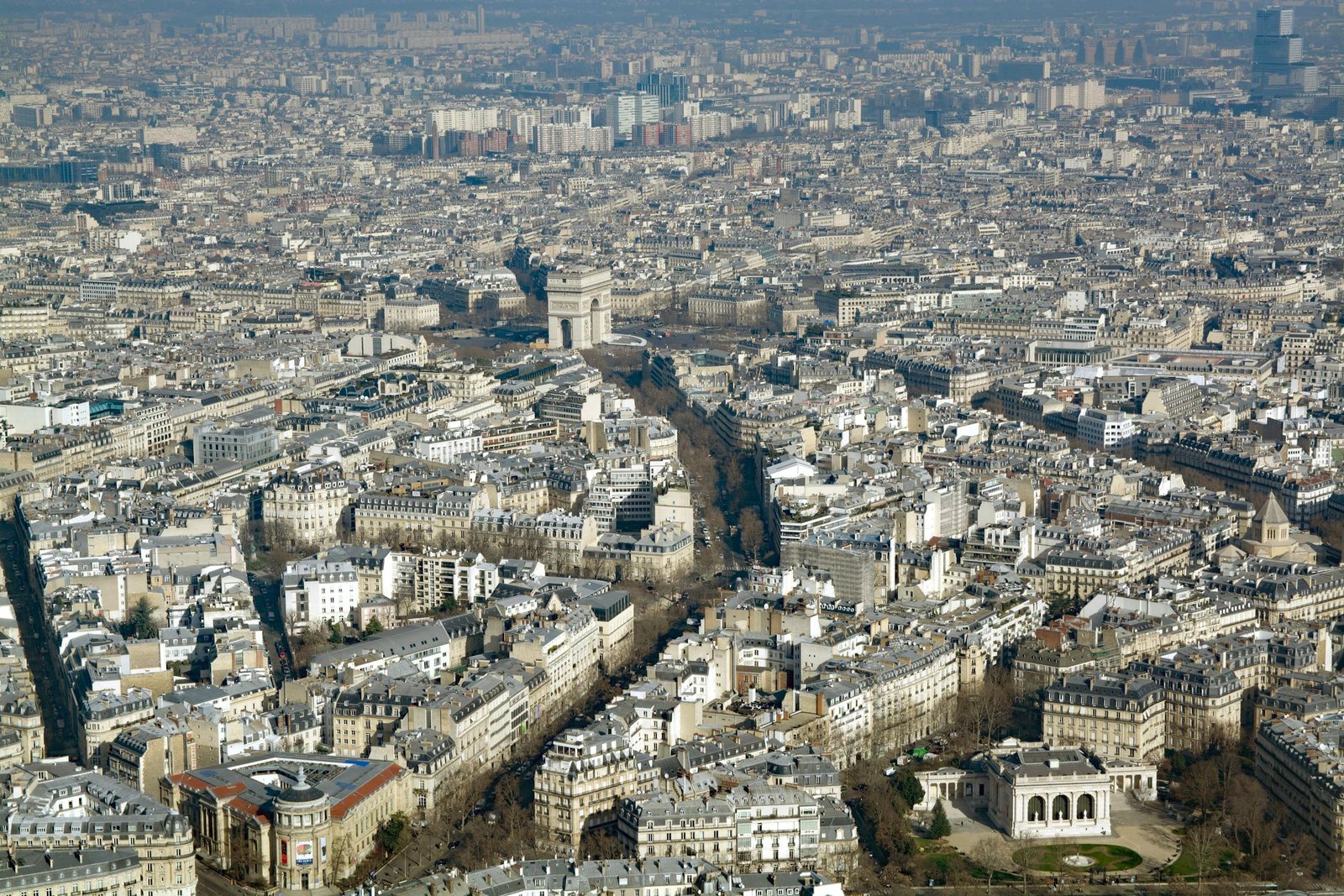
How much does it cost to travel to Paris? The real answer depends less on visible prices and more on the decisions that shape your accommodation, transport, food, and daily rhythm throughout the trip.
GlobeVision™ — Paris: how much it costs to travel and which mistakes make the budget rise
- Paris operational summary
- Paris practical data
- Introduction
- How much it really costs to travel to Paris
- Accommodation cost in Paris
- Transport cost in Paris
- How much it costs to eat in Paris
- Hidden costs that make the trip more expensive
- Common mistakes that increase the budget
- Frequently asked questions
- Conclusion
🧭 Paris operational summary
🌍 Quick destination keys
📊 Paris practical data
📊 GlobeVision™ indicators
High
High
Low
Medium
Introduction
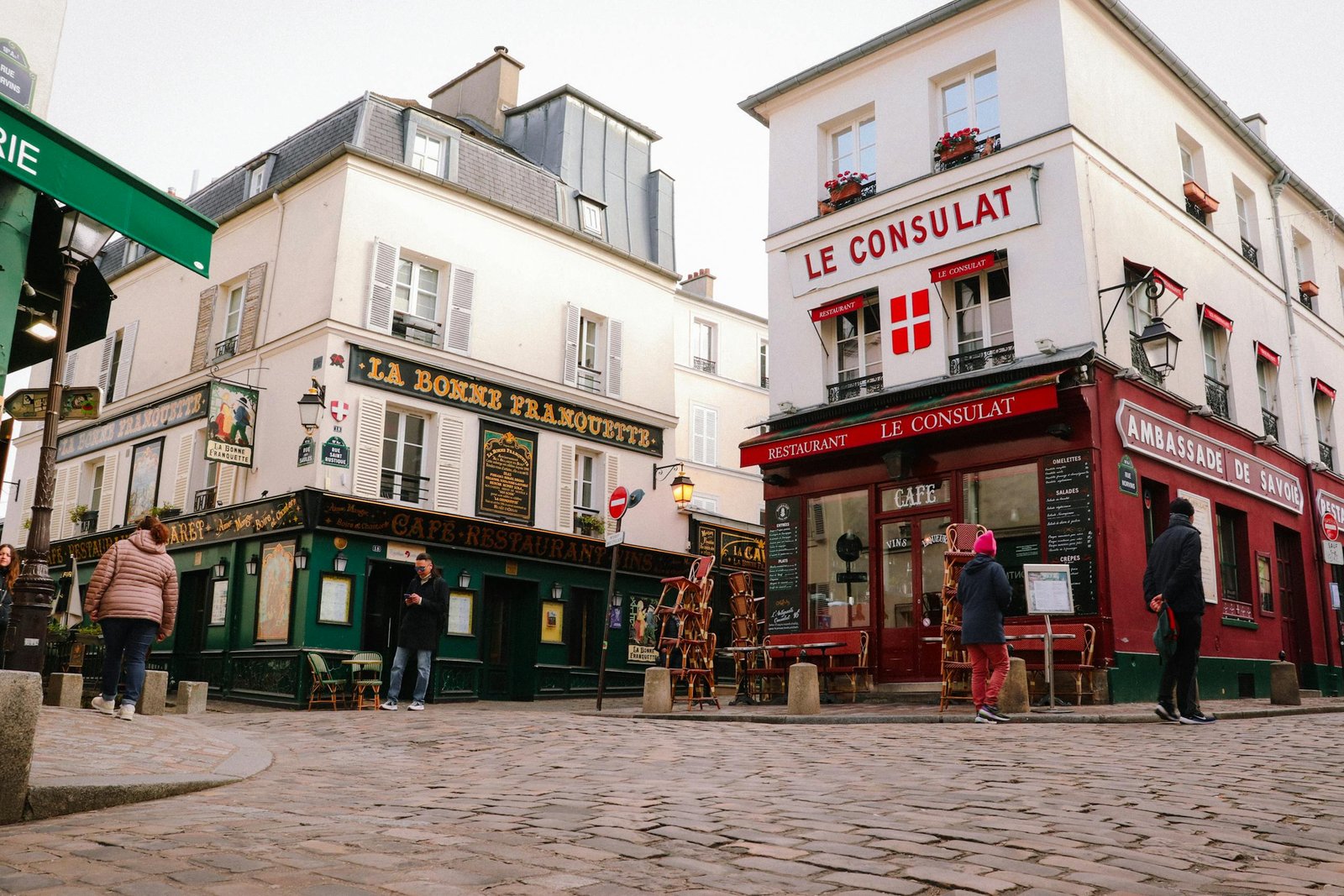
Traveling to Paris is not expensive by definition. What turns it into a costly destination is the sum of badly made decisions. The real problem is usually not the isolated price of a coffee, a hotel, or a ticket, but the way these small expenses connect when you choose the wrong area, improvise too much, or buy convenience at the worst possible moment.
This article is not an empty list of prices. It is a practical guide to understanding how much it really costs to travel to Paris and which decisions raise or keep the budget under control. If you apply it well, you will not just spend less. You will spend better.
Micro-scene: two travelers have almost the same breakfast in two different areas. One pays €9, the other €17. Same city, same morning, different outcome. The difference is not Paris. It is the decision.
How much it really costs to travel to Paris
💶 Estimated daily budget
| Profile | Daily range |
|---|---|
| Essential but functional | €120 – €180 |
| Realistic mid-range | €209 – €310 |
| Comfortable / high | €310 – €479+ |
The real cost of Paris depends on three variables: where you sleep, how you move, and how you eat. On top of that come the less obvious expenses: attraction tickets booked too late, avoidable taxis, water or coffee bought impulsively in saturated tourist areas, or a base chosen so poorly that every transfer becomes a small financial punishment.
The difference between a cheaper trip and an expensive one does not always change the experience. Very often, it only changes the quality of decisions. That is why the Paris budget is optimized better by removing mistakes than by cutting pleasure.
Accommodation cost in Paris
🏨 Accommodation cost
| Type | Price per night |
|---|---|
| Budget hotel | €84 – €146 |
| Mid-range hotel | €241 – €413 |
| High-end hotel | €527+ |
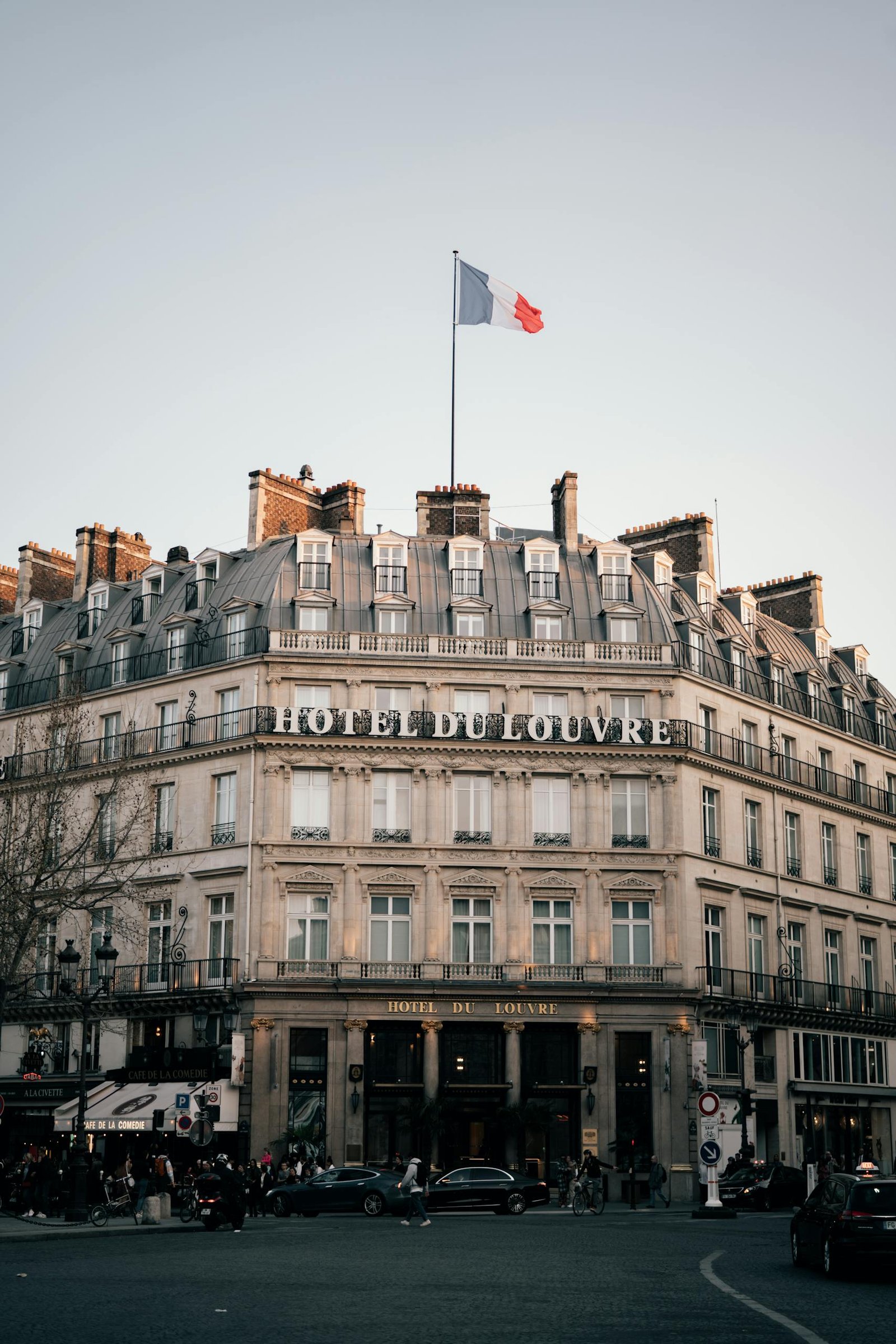
Accommodation is the biggest expense of the trip. And it is also the point where it is easiest to save badly. A slightly cheaper hotel with poor connections can end up costing more in time, energy, transfers, late-night taxis, and accumulated fatigue.
Typical mistake: choosing an area that looks central on the map but forces you to walk more, change lines, or return late without logic. GlobeVision rule: a functional base is better than a theoretically beautiful but inconvenient one.
Transport cost in Paris
🚇 Transport cost
| Item | Price |
|---|---|
| Public transport | €5 – €9 |
| Taxi (short ride) | €43 – €86 |
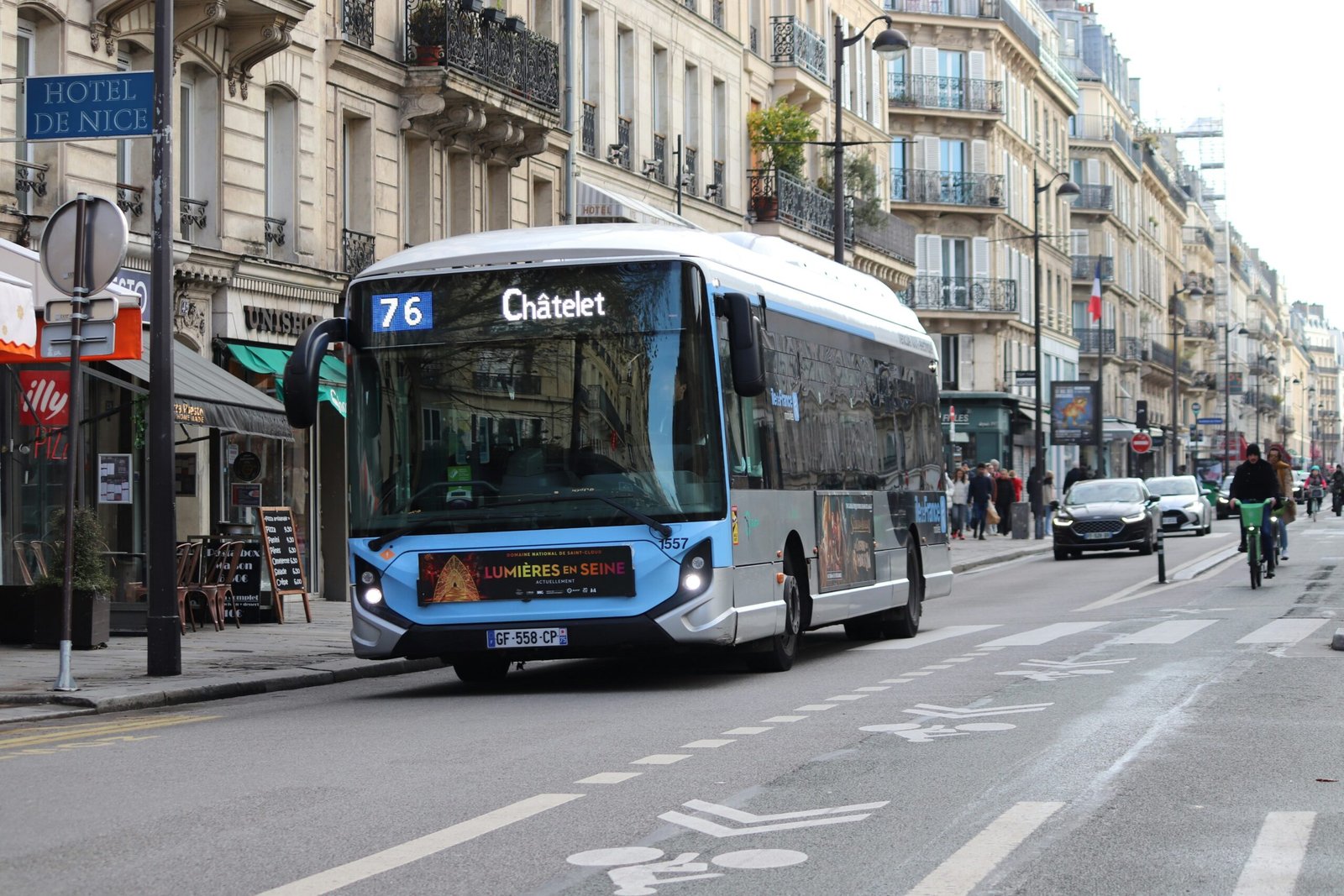
Transport in Paris is efficient, but if you use it badly it becomes an invisible cost. The ticket itself can be cheap; the problem is awkward usage: unnecessary transfers, badly chosen routes, taxis taken out of fatigue, or passes bought without calculating your real journeys first.
Micro-scene: you choose a route with two transfers because it looks “faster,” but between stairs, corridors, and waiting time it takes the same or longer than a direct journey. The real cost is not the ticket. It is the accumulated friction.
How much it costs to eat in Paris
🍝 Food cost
| Type | Price |
|---|---|
| Coffee | €4 – €5 |
| Average meal | €27 – €53 |
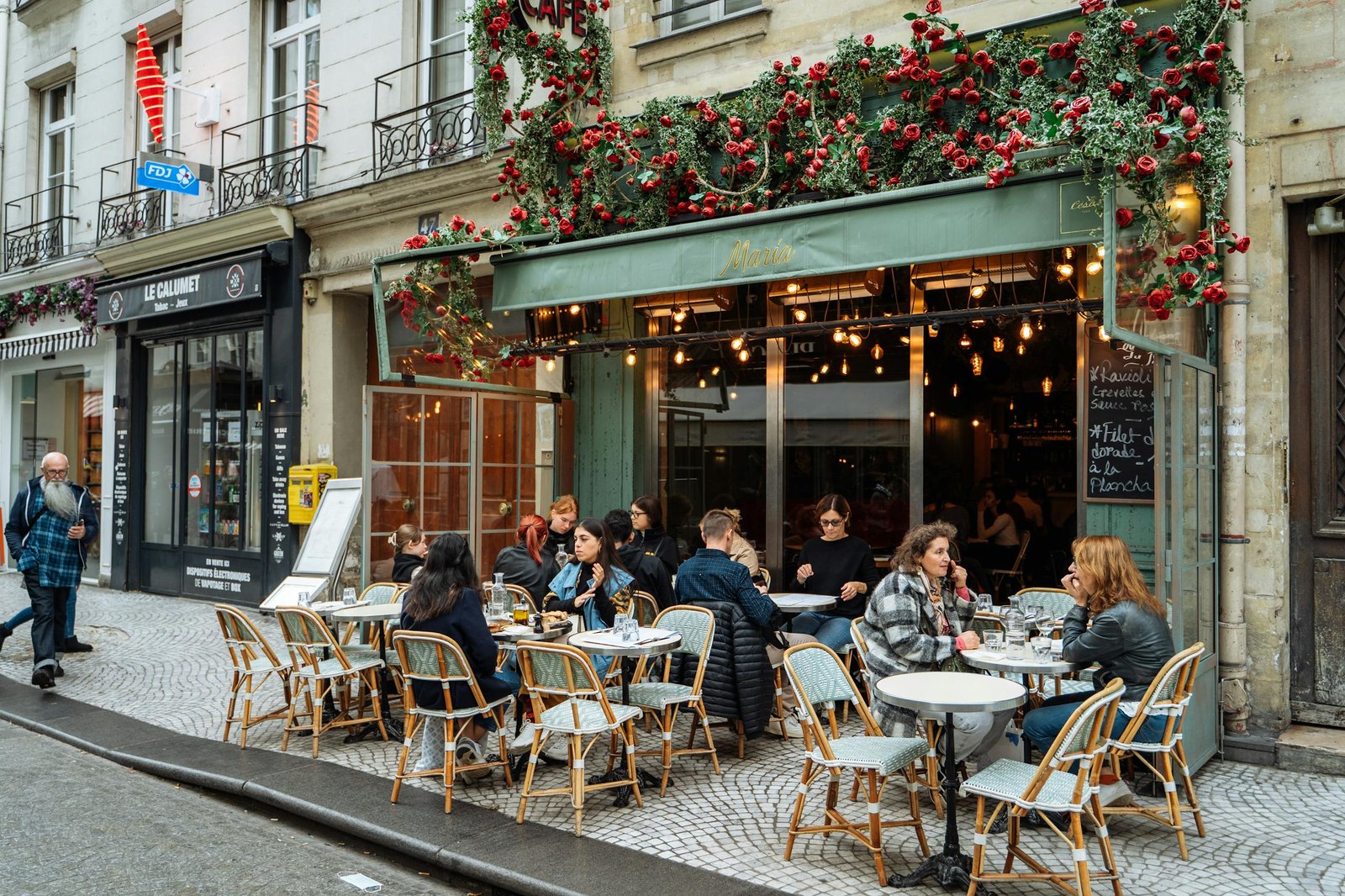
Eating in Paris can be extremely expensive or perfectly reasonable. The difference usually lies within the radius of the decision. Moving just two streets away from the most obvious area, eating at a smarter time, or using breakfast more strategically changes the total cost a lot.
Typical mistake: always eating near landmarks or at the first available terrace. You are not just paying for food. You are paying for urgency, location, and lack of strategy.
Hidden costs that make the trip more expensive
The biggest expense in Paris is not always found in visible prices, but in the sum of small inefficiencies: the wrong base, a badly timed booking, a taxi taken out of fatigue, an attraction ticket bought too late, or a repeatedly expensive breakfast because you stepped out without a plan.
Micro-scene: you choose your accommodation badly and every day lose 25 minutes getting to the first visit. That loss then pushes you to eat worse, move worse, and buy expensive convenience. Paris does not raise your budget by itself. Small decisions do it, once they start accumulating.
Common mistakes that increase the budget
The most common mistake is thinking in isolated prices instead of as a complete system. Another classic error is over-optimizing something trivial and losing global efficiency: saving €5 on the hotel but adding an hour of daily friction, buying a pass that never pays off, or always eating cheaply in awkward places that break the rhythm of your day.
Paris does not become cheaper through obsession. It becomes cheaper through coherent decisions.
Frequently asked questions
How much money do I need to travel to Paris?
It depends much more on strategy than on the initial fear of the destination. A traveler who chooses accommodation, meals, and transport well can reduce the total cost a lot without worsening the experience. The important difference does not lie in “removing things,” but in avoiding repeated bad decisions.
Is Paris an expensive city for tourists?
Paris can be expensive, yes, but above all it is a city that punishes improvisation. If you choose the wrong area, move around without logic, or always eat along highly saturated tourist axes, the budget rises quickly. If you understand how the city works, the expense becomes much more manageable.
How much does it cost to eat in Paris per day?
It can vary a lot depending on where you eat and how you structure the day. The key is not just the cost of one dish, but whether breakfast, lunch, and dinner are handled efficiently or whether the city forces you into paying more because of fatigue or poor planning.
What is the biggest expense on a trip to Paris?
In most trips, accommodation. And for that same reason, it is also the expense where you have the biggest margin either to optimize well or to make a major mistake. A cheap hotel chosen badly can cost much more than it seems.
Is it worth buying transport passes?
Only if they fit your real usage pattern. The typical mistake is buying them by intuition or fear of running short. In Paris, whether a pass is worth it depends on your calendar, routes, and type of trip, not on how “complete” it looks.
Can you travel to Paris on a budget?
Yes, but not by improvising. Paris allows you to reduce costs significantly if you choose your base, meals, and transport system well. Budget travel here does not come from extreme restriction, but from efficiency.
How much does a 3-day trip to Paris cost?
There is no single figure because it depends on hotel, flights, rhythm, and type of consumption. What matters is understanding that a badly designed 3-day trip can cost much more than a well-planned 4-day one. The number of days matters less than the quality of decisions.
Is it better to pay in cash or by card?
Card is usually the most practical solution, but the real issue is not the payment method. It is expense management. Paying well does not save you from a badly optimized trip, and carrying cash does not correct clumsy decisions.
Which mistakes make the trip more expensive?
The wrong base, improvised decisions, badly chosen passes, meals in overly obvious places, and poorly managed bookings. None of them seems dramatic alone; together they quietly make the budget explode.
How much money should I carry per day in Paris?
It depends on your style and on how often you buy convenience instead of organizing it. A daily reference helps, but what helps even more is avoiding the small repeated expenses that end up weighing far more than they seem.
GlobeVision™ — Strategic travel guide system
It analyzes destinations from a territorial, logistical, and operational perspective so you can make more efficient travel decisions. In high-cost destinations, optimizing decisions can save you dozens or even hundreds of euros during the trip.
See travel strategies on GlobeVision
Strategic destination map
- Destination: Paris
- Country: France
- Guide type: Budget and real travel costs
This article is part of the GlobeVision™ editorial system, designed to analyze destinations from a logistical, territorial, and strategic perspective.
🧭 Explore more related articles
Conclusion
Traveling to Paris is not expensive by obligation; it is easy to make it expensive through poor strategy. The difference does not lie in spending little or a lot, but in avoiding decisions that look small and end up inflating the total. If you choose accommodation, transport, and daily rhythm well, Paris stops feeling like an expensive destination and starts behaving like a demanding one that can still be optimized with precision.