

The most efficient way to move around Paris is not to rely on the same mode every time, but to combine metro, RER, buses, and taxis based on the route. The key is to reduce transfers, avoid awkward connections, and understand which lines really dominate the city.
- Paris operational summary
- Quick destination keys
- Paris practical data
- GlobeVision indicators
- Introduction
- How to understand transport in Paris
- How to arrive and move from the airport
- How to use transport correctly
- Common mistakes when getting around Paris
- Safety and recommendations
- Frequently asked questions
- Conclusion
GlobeVision™ — Practical system for getting around Paris with real logic
🧭 Paris operational summary
🌍 Quick destination keys
📊 Paris practical data
📊 GlobeVision™ indicators
High
High
Medium
Medium
Introduction

Getting around Paris is not difficult, but it is very easy to do it badly. Most travelers lose time not because transport is lacking, but because they use it without logic: unnecessary transfers, inefficient lines, poor airport connections, or routes that look short on the map but in real life feel slow and exhausting.
The most common mistake is treating each journey as if it were an isolated case. In reality, Paris works as an integrated network: every weak decision drags into the next one. If you choose your base badly or fail to understand which lines really matter, you can lose between 60 and 90 minutes a day without even noticing it.
This is not a basic guide. It is a practical system for moving with real efficiency: which lines dominate the city, when the metro makes sense, when the RER is better, when the bus is useful, and when taxis or ride-hailing stop being a luxury and become a smart tactical decision.
How to understand transport in Paris: a practical mental map
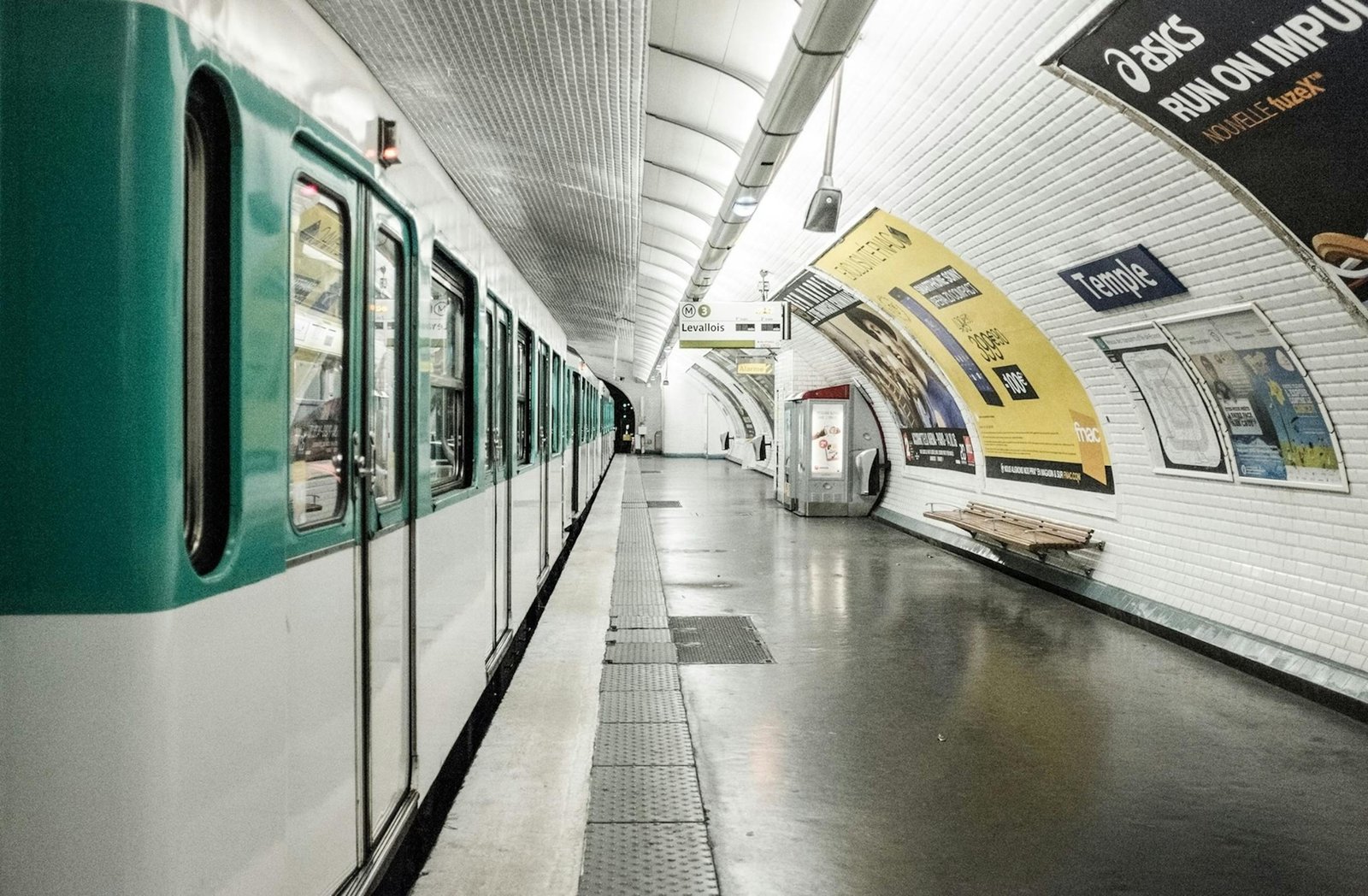
The Paris transport system revolves around three elements: metro, RER, and strategic connections. Understanding how they interact is what truly transforms your mobility in the city.
Line 1 is the most important line for a first trip: it runs along one of the most useful tourist axes with relatively little friction and connects key areas such as the Louvre, Le Marais, Champs-Élysées, and Bastille. If you can anchor part of your trip around it, your logistics become simpler almost automatically.
Line 14 is the most efficient line from a technical point of view: fewer stops, more speed, and excellent connections. It now plays a special role because of its connection with Orly, which makes it strategically important from the first and last day of the trip.
The RER B is essential for Charles de Gaulle and for some longer jumps across the city. The problem is not using it, but integrating it badly. Many travelers arrive in Paris and then mishandle the final segment, turning a strong entrance into a clumsy chain of transfers.
Operational conclusion: do not think only in terms of specific routes. Think in terms of dominant lines. Your goal is not simply to shorten the distance, but to reduce friction.
How to arrive and move from the airport
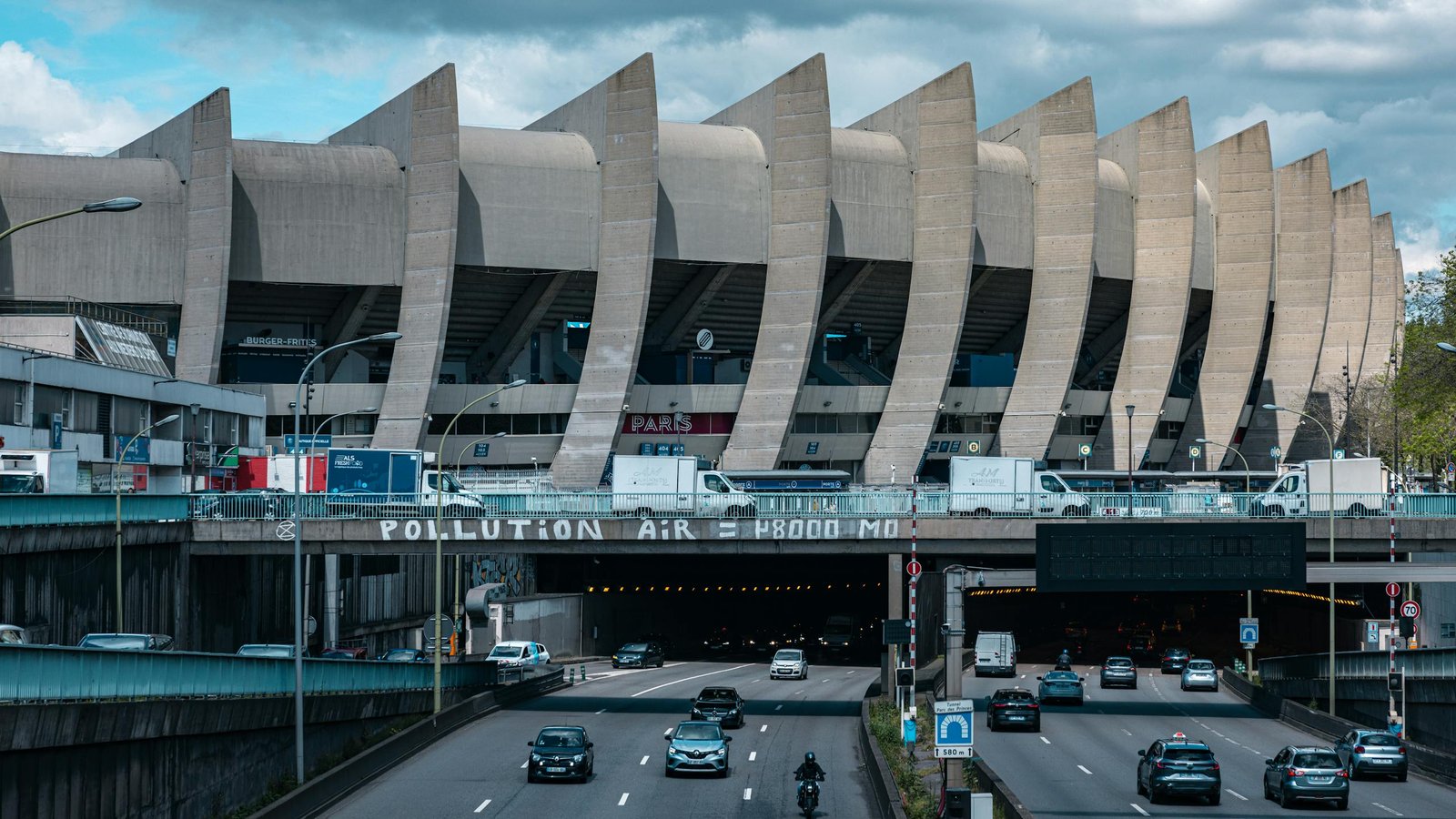
From Charles de Gaulle, the RER B is the standard option. But the real key is not only that main leg, but what happens after it. If, once you get off the RER, you still need two more transfers, the real total journey time explodes.
From Orly, Line 14 has changed the logic of access dramatically. Today it is one of the cleanest ways to enter the city if your base or main axis fits it well. Avoid complex combinations whenever you can.
Micro-scene: you land at 10:30 p.m. One option gets you there in 35 minutes without delicate transfers. Another requires two changes and turns the arrival into 70 minutes of fatigue. The difference is not the airport. It is the strategy.
Key rule: the first and last journey of the trip should be as direct as possible. That is where huge amounts of energy are either saved or wasted.
How to use transport correctly

Focus on key nodes such as Châtelet, Saint-Lazare, or Gare de Lyon. They are not just stations: they are points where the mobility of Paris reorganizes itself.
📍 Think in terms of a network, not isolated journeys. Every decision influences the next one.
⚠️ Common mistake: choosing the shortest route in distance.
✔️ Better solution: prioritize routes with less friction.
🔑 GlobeVision rule: fewer transfers = more efficiency, more energy, and fewer mistakes.
| Transport | Speed | Frequency / characteristic | Best use |
|---|---|---|---|
| Metro | Fast | High frequency | Daily urban base for city journeys |
| RER | Faster | Fewer stops | Longer jumps and airports |
| Bus | Slower | Flexible | Diagonal routes or trips with fewer stairs |
| Taxi / Uber | Direct | Higher cost | Nights, fatigue, or routes badly solved by the network |
The metro is your daily foundation. The RER is your tool for optimizing longer journeys. The bus is not “inferior”: many times it saves you two transfers and ten minutes of corridors. A taxi is not a permanent luxury, but it is a strategic tool at the right moment.
Micro-scene: you choose the metro with two transfers instead of a cleaner RER option. Result: +25 minutes and more fatigue. The decision was not absurd, but it was suboptimal. And in Paris, what is suboptimal three times a day becomes very noticeable.
Common mistakes when getting around Paris
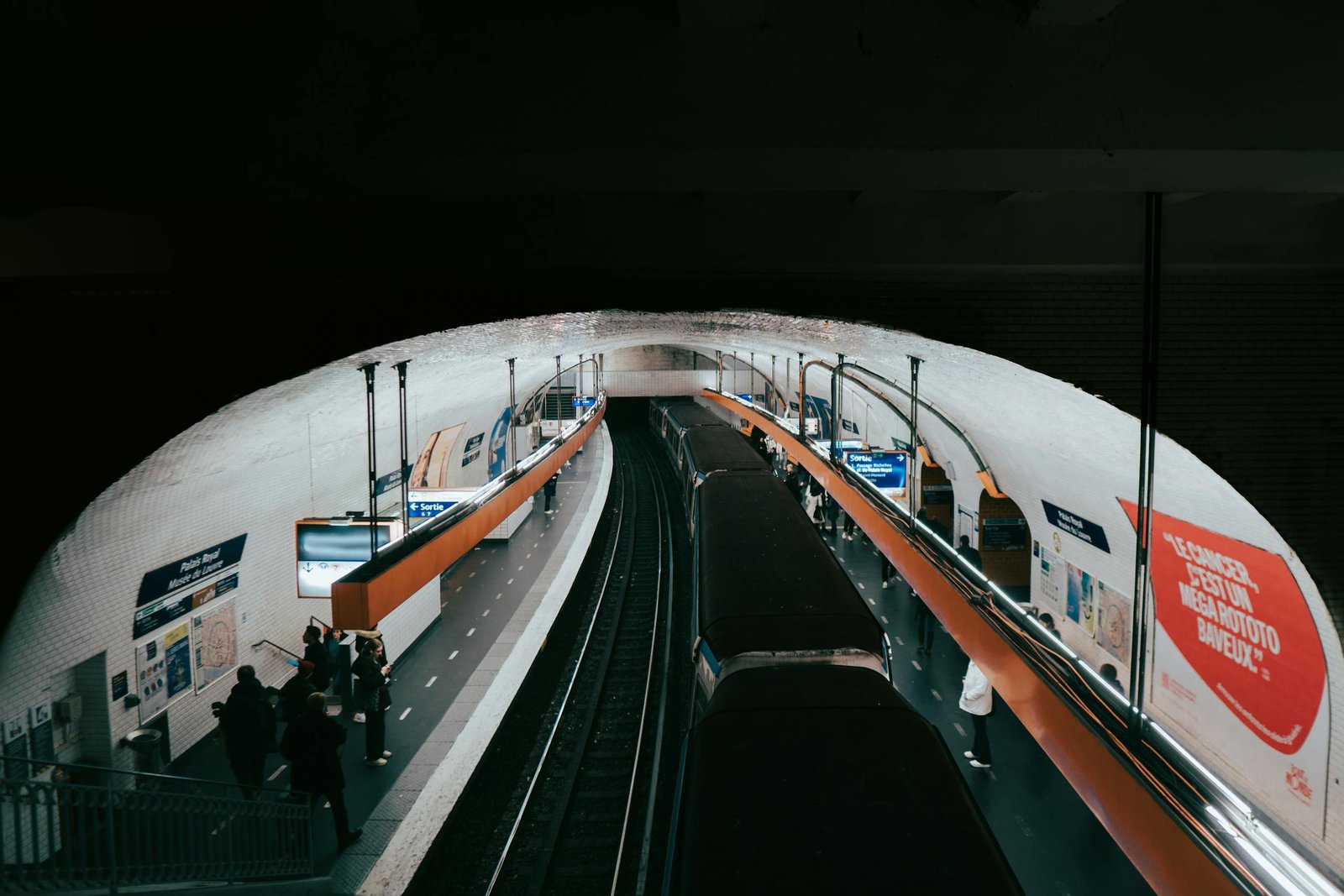
The biggest mistake is over-optimizing. Trying to find the “perfect” route every time creates more wear than benefit. Very often, a slightly longer but direct route is better than a theoretically shorter one full of transfers and long corridors.
Another frequent mistake is underestimating the real time cost of a transfer. In Paris, changing lines does not always mean just switching platforms: it can involve several minutes of walking, stairs, and waiting.
It is also common not to adapt your logic to the time of day. Rush hour, rain, fatigue, or late-night movement can completely change the smartest decision.
The key is to simplify: fewer decisions, more consistency, and less logistical heroism.
Safety and recommendations

Public transport in Paris is safe, but it does require basic awareness. During peak hours, density rises, and with it come small risks such as distraction, discomfort, or losing control of your surroundings.
Keep an eye on your belongings, especially on central lines and in major stations. This is not paranoia. It is simple environmental awareness.
At night, prioritize direct routes. If the journey becomes too messy, using a taxi or ride-hailing service can be an efficient decision, not a waste.
Micro-scene: 11:15 p.m. You are facing a route with two transfers and a lot of fatigue. You take a taxi. You arrive in 10 minutes instead of 40. You save time, energy, and a final hour of unnecessary awkwardness.
Frequently asked questions
What is the best way to get around Paris?
There is no single best option. The most efficient system is a smart combination. The metro is the daily base, Lines 1 and 14 are especially useful, and the RER is decisive for airports or longer jumps. The right decision depends on the route, the moment, and the number of transfers involved.
Is it difficult to get around Paris?
It is not difficult, but it can become inefficient if you do not understand how it works. The problem is usually not the lack of network, but the excess of options interpreted badly. Once you understand the dominant lines, key hubs, and the friction of transfers, getting around Paris becomes much easier.
How many transfers are acceptable in Paris?
As a practical rule, one is usually reasonable. From two onward, efficiency drops a lot, especially if the route includes large stations or you are traveling with luggage, children, or accumulated fatigue. Very often, a slightly longer but cleaner route works better.
Is it worth using taxis or Uber in Paris?
Yes, when they serve a clear tactical purpose: nighttime, fatigue, luggage, a route poorly solved by the network, or the need for a direct arrival. The key is not to turn them into your default transport, but not to rule them out when they clearly simplify the trip.
How can you avoid wasting time on transport?
By prioritizing direct routes, understanding the dominant lines well, and avoiding the obsession with the mathematically shortest route. In Paris, a lot of time is lost in small accumulated mistakes: corridors, unnecessary transfers, poor bases, and badly designed journeys.
Which areas are best for getting around without complications?
The best-connected areas are usually more practical than the simply prettiest ones. Châtelet, Opéra, Saint-Lazare, Gare de Lyon, or strong axes connected to dominant lines make mobility much easier. What matters is the network, not just the postcard image.
How does transport from the airports work?
From Charles de Gaulle, the RER B is often the backbone. From Orly, Line 14 has greatly improved access into the city. The common mistake is focusing only on the first segment and not on the full route to your final accommodation. That is where real time is gained or lost.
Is public transport in Paris safe?
Yes. Basic common sense is enough: watch your belongings, avoid unnecessary distractions, and simplify late-night routes. The system is usable and generally safe, but moving with judgment still makes a big difference.
Should you plan every journey in advance?
Not every one, but you should understand the general framework. You do not need to memorize every route; you need to know which lines matter most to you, which hubs are useful, and which mistakes to avoid. Paris does not require hyper-planning. It requires understanding.
GlobeVision™ — Strategic travel guide system
It analyzes destinations from a territorial, logistical, and operational perspective so you can make more efficient travel decisions. In high-cost destinations, optimizing decisions can save you dozens or even hundreds of euros during the trip.
See travel strategies on GlobeVision
Strategic destination map
- Destination: Paris
- Country: France
- Guide type: Transport and practical mobility
This article is part of the GlobeVision™ editorial system, designed to analyze destinations from a logistical, territorial, and strategic perspective.
🧭 Explore more articles from the Paris cluster





Conclusion
Getting around Paris does not mean knowing every possible option. It means choosing a few key options well. Once you understand which lines dominate, when to avoid transfers, and how to simplify the first and last journey, the city stops feeling complex and becomes much more manageable.
The goal is not to optimize every movement to the extreme, but to reduce friction: fewer transfers, fewer doubts, and more consistency. If you apply this logic, you will not only save time. You will also save energy and money throughout the trip.
How to get around Paris without mistakes (quick summary)
- Prioritize direct lines even if they are not the shortest on paper
- Avoid unnecessary transfers: each transfer adds friction
- Use the RER for longer distances and the metro for urban trips
- Plan around dominant lines and main axes, not isolated points